sep 18, 2026
Equipment dealers can use RIPPA mini excavators as the core product and then add skid steer loaders, compact wheel loaders, forklifts, attachments, and related equipment according to customer applications and current product availability.
A practical product structure is:
The important point is that dealers do not need to give every product category the same priority.
For contractors, rental companies, farms, landscapers, and rural businesses, the mini Gravemaskine can remain the starting product. Other machines can then be introduced when the customer has a real loading, cleanup, material movement, or pallet-handling requirement.
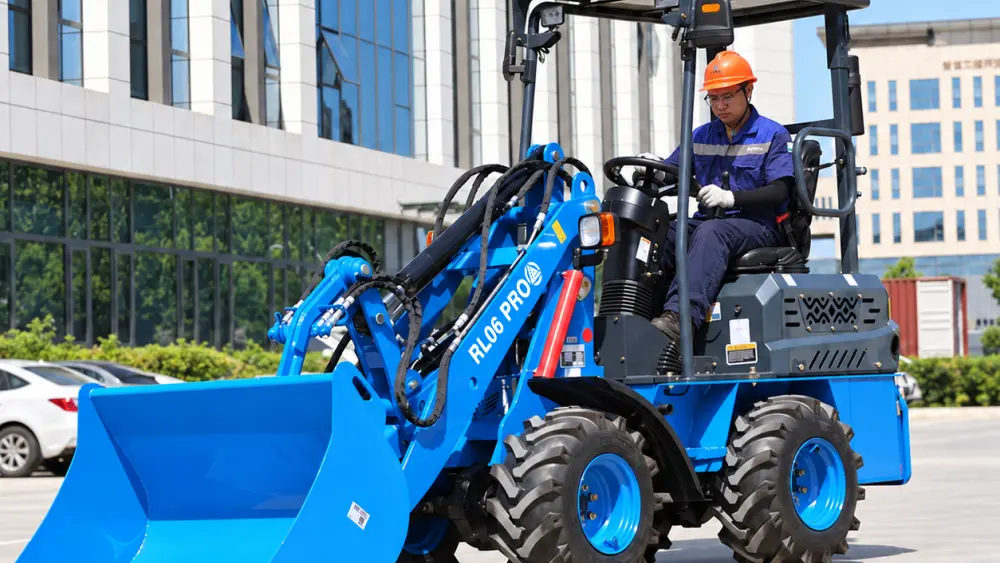
Mini excavators can remain the starting product because compact digging demand is common across several B2B industries.
Potential customers include:
Typiske anvendelsesområder omfatter:
This broad demand gives dealers a strong base from which to expand.
Attachments are often one of the most natural additions because they increase the usefulness of the core machine without requiring the customer to purchase another machine immediately.
Possible mini Gravemaskine attachments include:
For example:
A contractor may need a breaker.
A landscaper may need a grading bucket.
A fence company may need a compatible auger.
A farm may need an auger or grapple.
A rental company may need several versatile attachment options.
Attachment compatibility must always be confirmed for the specific machine model.
Dealers should consider skid steer loaders when mini excavator customers also need loading, grading, cleanup, and material movement.
A skid steer loader may support:
Mini excavators and skid steer loaders often work well together.
The mini excavator digs.
The skid steer loader moves material and cleans the job site.
For contractors and landscaping businesses, this may be one of the strongest two-machine combinations.
Potential customers include:
Mini excavator:
Skid steer:
Mini excavator:
Skid steer:
Rental companies may serve customers who need either machine individually or both machines for one project.
This makes the categories complementary rather than competitive.
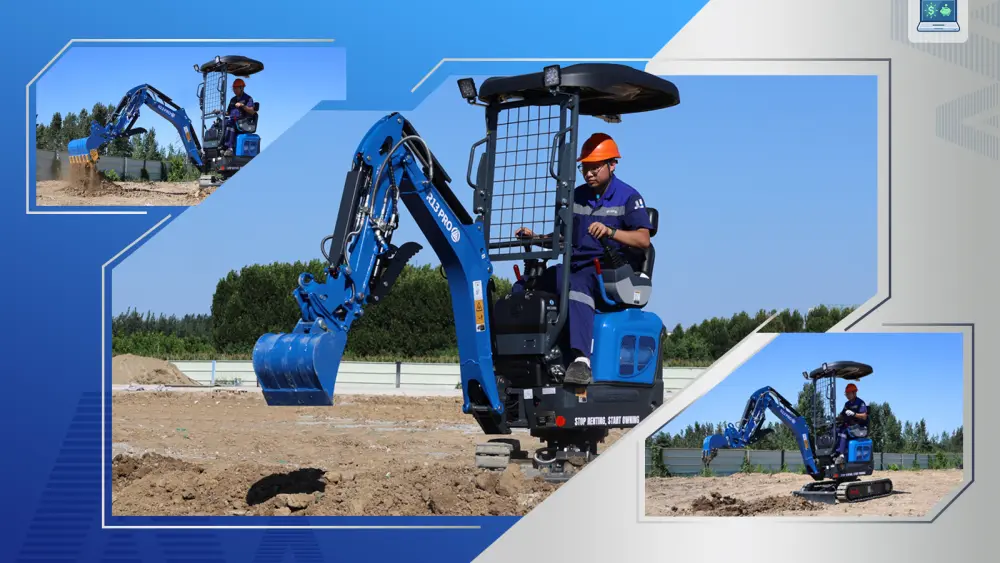
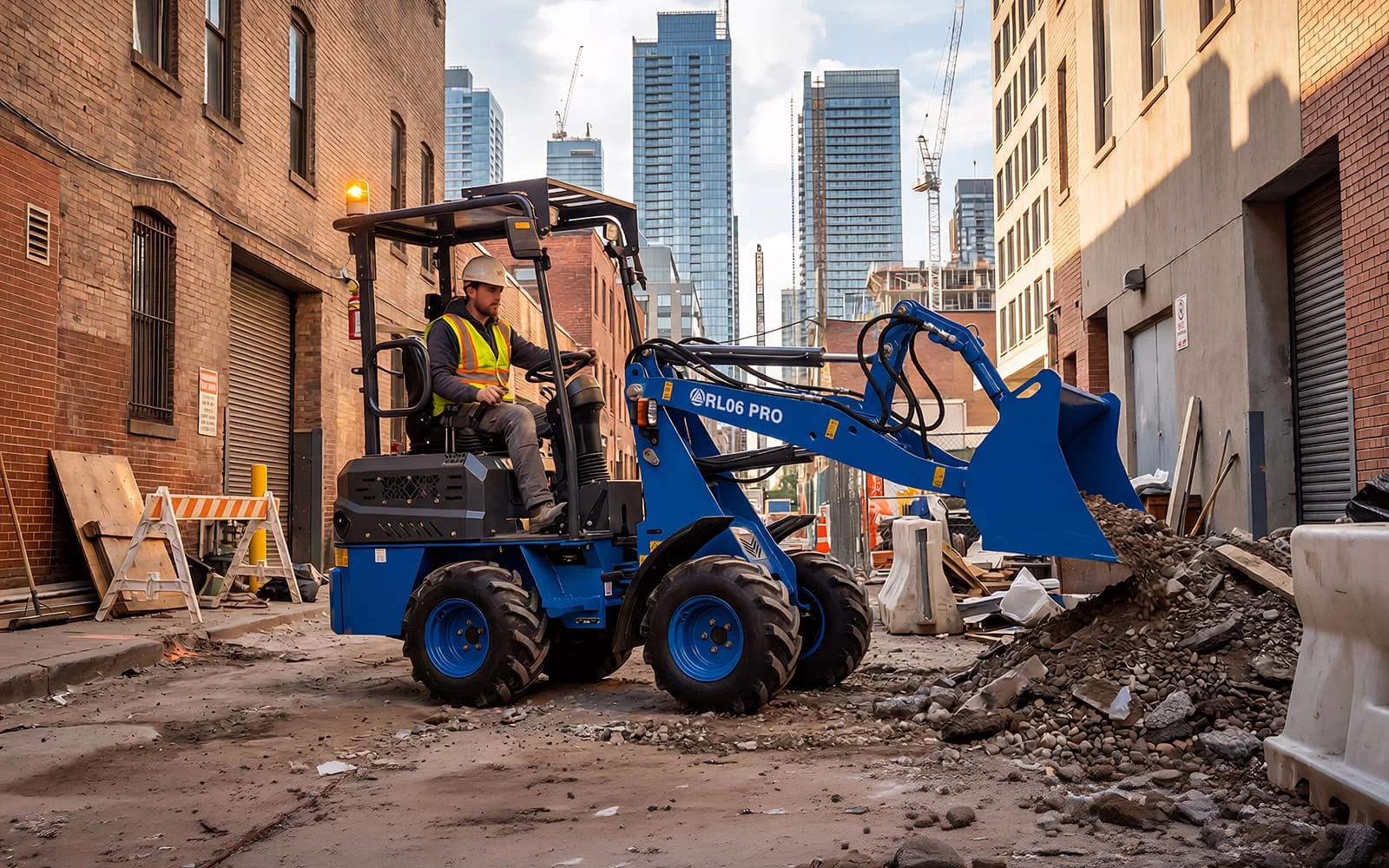
Compact wheel loaders may be useful when customers frequently move loose materials.
Typiske anvendelsesområder omfatter:
Potential customers include:
A compact wheel loader serves a different function from a mini excavator.
The excavator digs.
The wheel loader efficiently loads and moves loose materials.
A farm may use:
A landscaping company may use:
A rural or construction supply business may use:
The need should come from the customer workflow rather than from a desire to sell more machine categories.
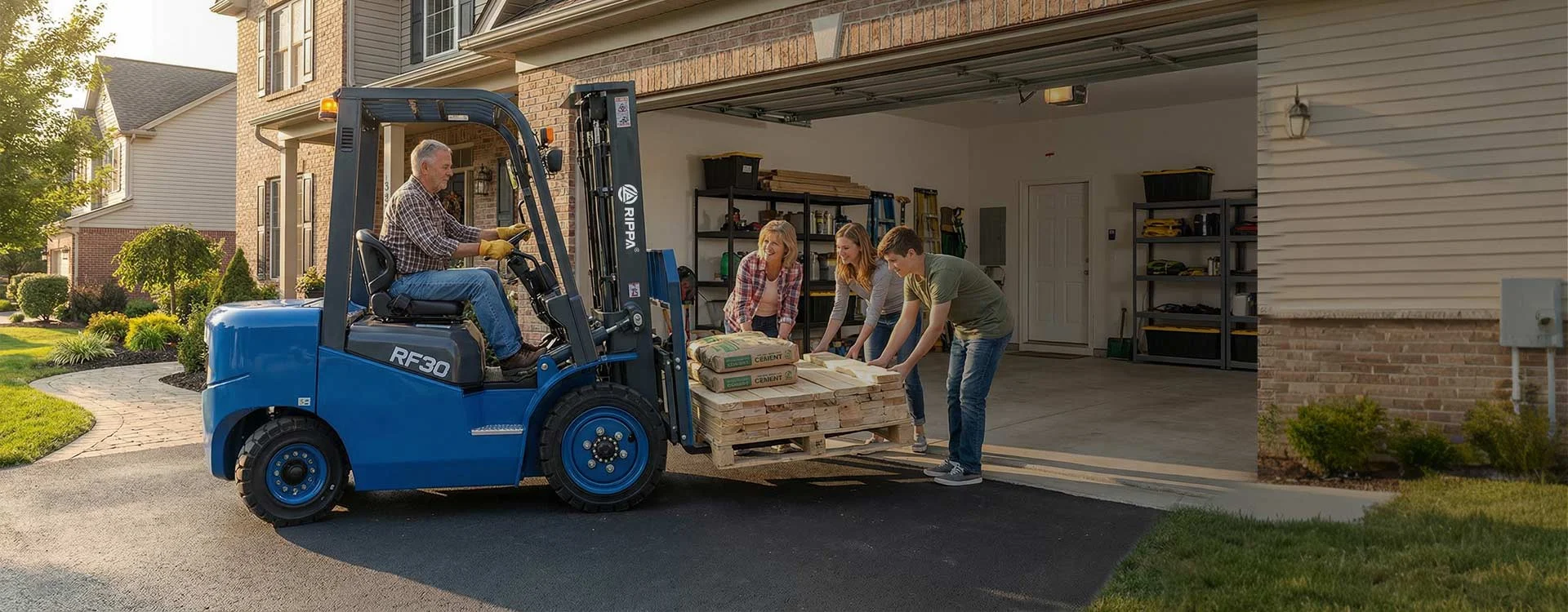
Forklifts should be added when customers have real pallet-handling, warehouse, or material-handling requirements.
Forklifts may support:
Potential customers include:
Forklifts should be treated as a complementary category rather than a replacement for excavation equipment.
Yes, but usually for completely different tasks.
For example, a farm may need:
A rental company may need:
An equipment dealer may use a forklift internally while selling mini excavators to customers.
The overlap is usually at the customer level rather than the machine application level.
Core:
Then consider:
Core:
Then consider:
Core:
Then consider:
Core:
Then consider:
This structure keeps the product strategy connected to customer demand.
Every new equipment category creates additional after-sales responsibility.
Dealers may need to manage:
A large product catalog does not automatically create a strong dealership.
A smaller product range with strong support may create better long-term customer relationships.
Dealers should ask:
If the answer is yes, adding the category may be worth considering.
Before expanding the product line, dealers should confirm:
| Area | What to Confirm |
|---|---|
| Mini excavators | Current configurations and applications |
| Vedhæftede filer | Compatibility |
| Skidstyrede læssemaskiner | Current availability and configuration |
| Compact wheel loaders | Current availability and applications |
| Gaffeltrucks | Current specifications and use requirements |
| Spare parts | Support availability |
| Maintenance | Service requirements |
| Garanti | Current policy |
| Technical support | Assistance process |
| Delivery | Logistics arrangements |
| Documentation | Product information |
| Cooperation | Dealer or reseller terms |
Current information should be confirmed before making customer commitments.
Dealers may consider attachments, skid steer loaders, compact wheel loaders, or forklifts according to customer needs.
For dealers serving contractors, farms, landscapers, rental companies, and rural customers, mini excavators can remain the core product.
Skid steer loaders can complement excavators by handling loading, grading, and cleanup. Compact wheel loaders may complement them by moving loose materials.
No. Forklifts should be added when customers actually need pallet or warehouse handling.
Yes. Attachments can increase the usefulness of existing mini excavators and create repeat sales opportunities.
Not necessarily. Dealers should choose product categories based on customer demand, after-sales capability, parts support, and business strategy.
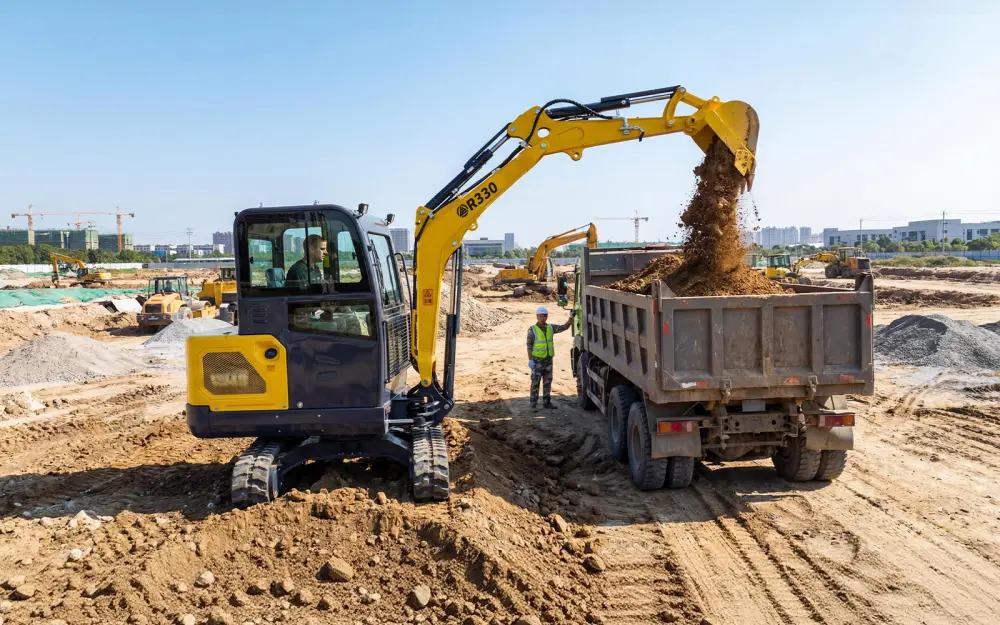
Equipment dealers can build a broader RIPPA product line without moving away from mini excavators as the core product.
Mini excavators can remain the primary category for digging, trenching, drainage, and compact excavation.
Attachments can expand excavator applications.
Skid steer loaders can support loading, grading, and cleanup.
Compact wheel loaders can support loose-material movement.
Forklifts can support pallet and warehouse handling.
The strongest approach is to expand outward from real customer demand instead of treating every product category as equally important.
For dealers, the product strategy can therefore remain simple:
Start with mini excavators, understand the customer’s next problem, and add complementary equipment only when it solves that problem.

Ophavsret: Shandong Rippa Machinery Group Co., Ltd.
Juridisk repræsentant: Yan Huaiguo | Licensnr.: 913708000509206491
Adresse: Guangan Road nr. 39, Liuhang-kvarteret, High-tech-zonen, Jining, Shandong-provinsen

 Hjem
Hjem
 Produkter
 E-mail
 WhatsApp