Окт 03, 2026
Selling more equipment creates an important second challenge:
Supporting more equipment after it enters the market.
An equipment dealer may successfully sell mini excavators, skid steer loaders, compact wheel loaders, forklifts, and attachments. But as the installed machine population grows, customers begin asking for:
Without an organized after-sales system, increasing equipment sales can create increasing customer frustration.
For B2B dealers, parts and after-sales support should therefore be developed before sales volume becomes difficult to manage.
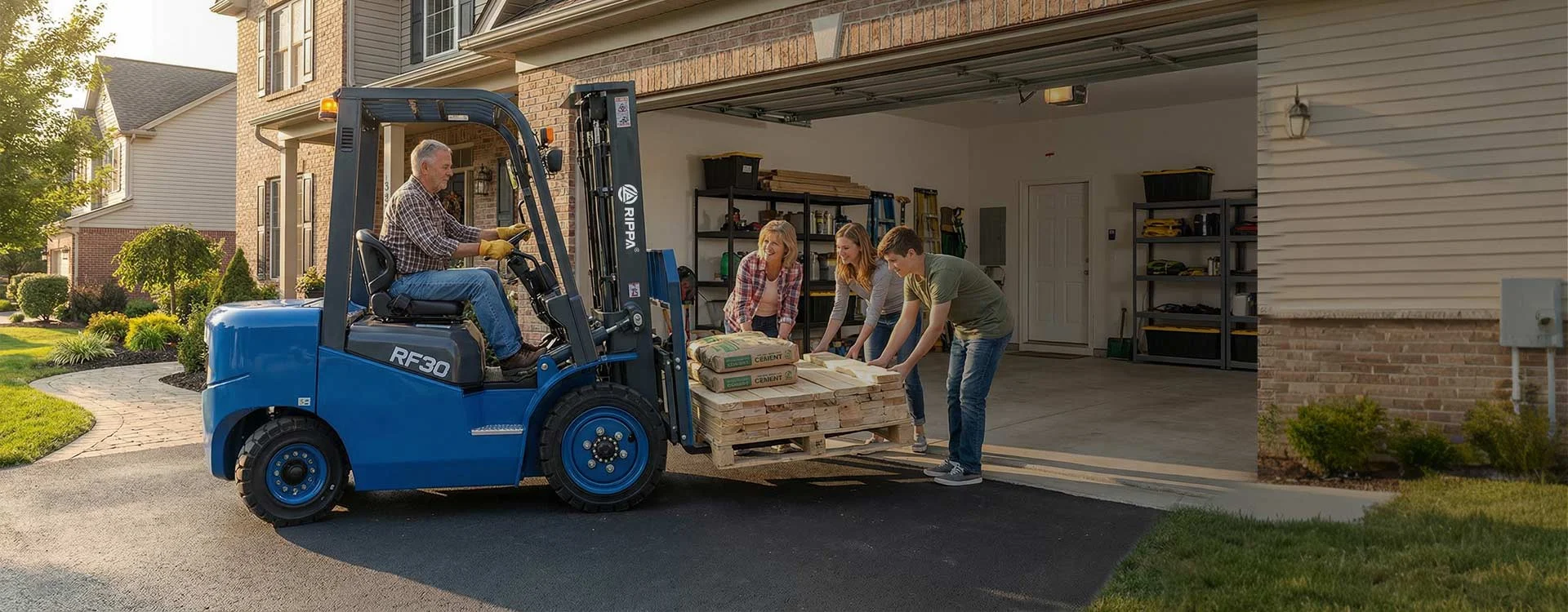
RIPPA’s current product catalog covers several equipment categories, including mini excavators, skid steers, wheel loaders, forklifts, and additional machinery. Each category can create different parts and service requirements, making structured after-sales planning especially important for multi-product dealers.
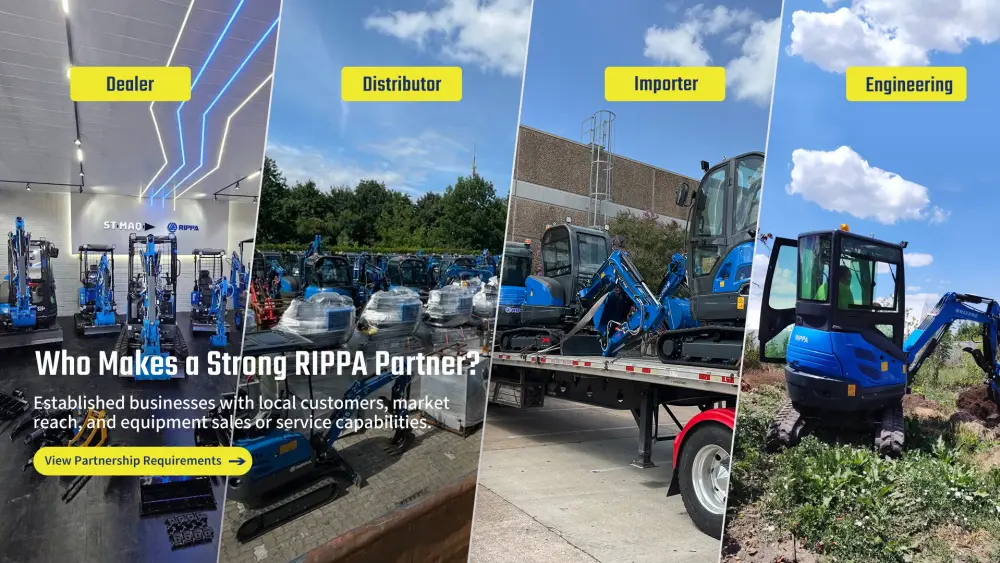
Commercial customers depend on machines for work.
A contractor may need equipment for a project.
A rental company needs machines available for renters.
A farm may need machinery during seasonal property work.
A warehouse may depend on material-handling equipment.
When a machine stops operating, the problem is not merely mechanical.
It can become a business problem.
This is why B2B customers often evaluate the dealer’s support capability before making repeat purchases.
A dealer should understand the support process before placing significant machine inventory into the market.
Ask:
Waiting until machines require support can create avoidable delays.
One of the first challenges in equipment support is knowing exactly which machine the customer owns.
The dealer should maintain records such as:
When a customer requests a part, the dealer should not need to begin from zero.
Accurate machine identification reduces the risk of supplying incorrect components.
Parts can be divided into several groups.
Examples may include:
These may be requested regularly.
Items that experience normal use-related wear.
The exact items depend on machine type and application.
Components that may be needed less frequently.
May include:
This classification can help dealers decide what to stock.
A good parts department does not necessarily keep every component locally.
Inventory costs money.
Dealers should analyze:
A practical system may use:
For frequently used or business-critical service items.
For less frequently requested components.
The correct balance depends on sales volume.
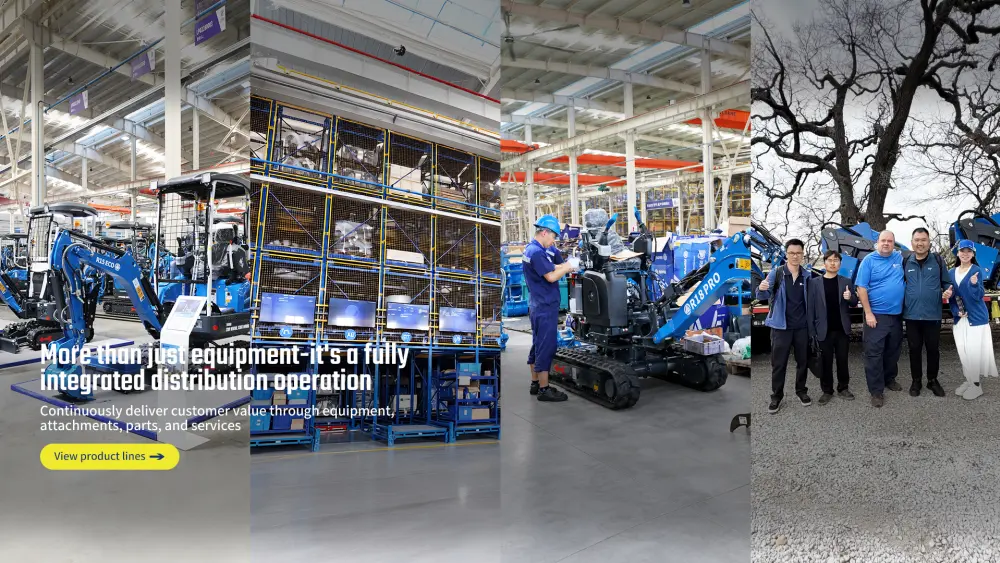
Suppose a dealer has sold:
Parts planning should reflect this difference.
The machine population with the greatest local presence may deserve more routine service inventory.
This is one reason model standardization can make after-sales support easier.
For commonly sold machines, dealers may consider organizing routine maintenance items into clear service packages where technically appropriate.
The objective is to make routine maintenance easier for customers.
A maintenance package may help customers understand:
Any service interval and parts selection should follow current manufacturer information for the exact model.
A customer may say:
“I need a hydraulic pump.”
But the actual problem may not necessarily require that component.
Dealers should distinguish between:
The required part has already been correctly identified.
The machine has a symptom that needs diagnosis.
This distinction can prevent unnecessary parts orders.
When customers report a problem, the dealer can request structured information.
For example:
A clear intake process helps technical teams understand problems faster.
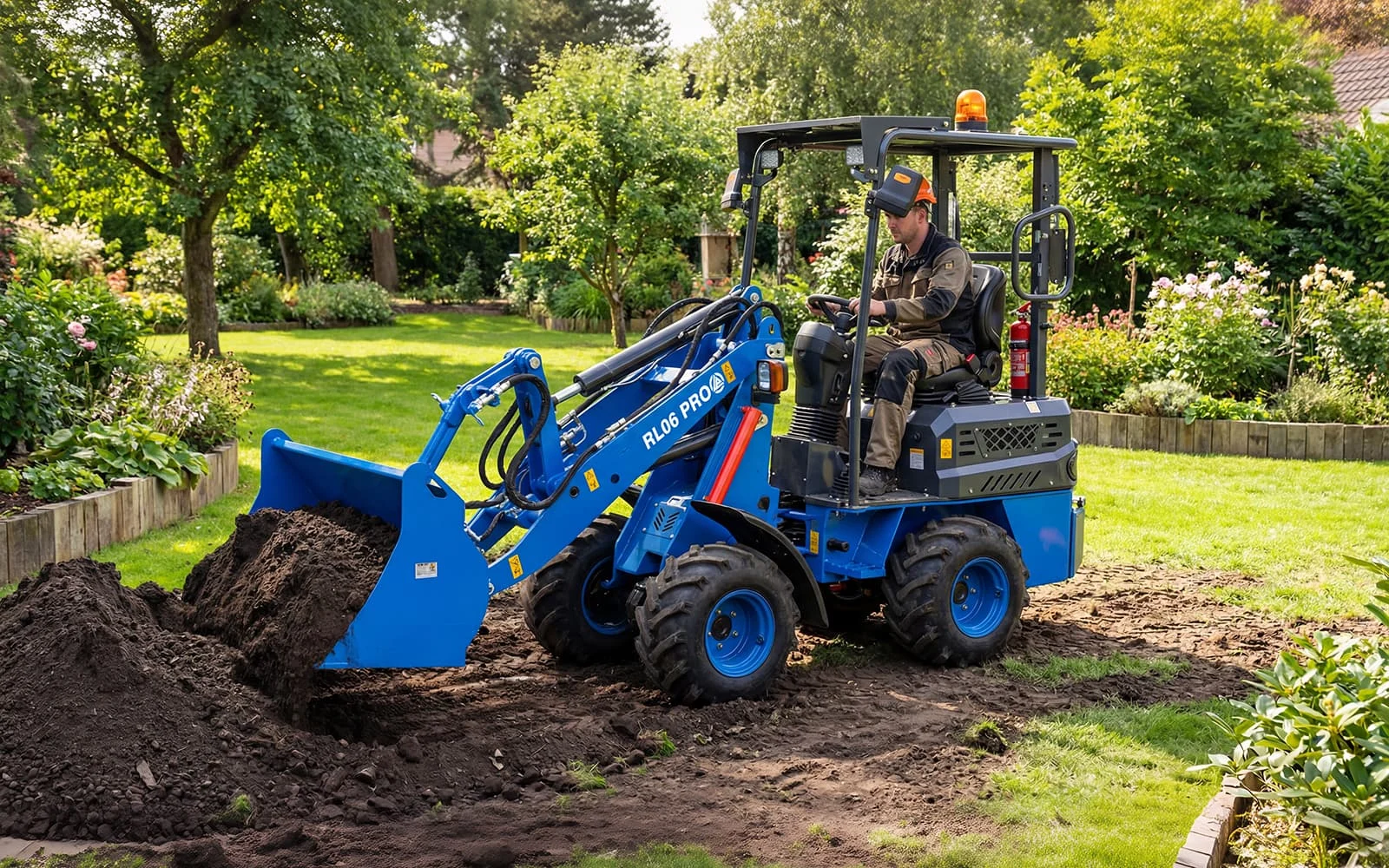
Visual information can help clarify:
However, dealers should avoid making unsafe repair recommendations based only on incomplete visual evidence.
Complex problems may require qualified inspection.
Not every technical issue can be solved by the salesperson.
Dealers should define:
Basic customer service and parts identification.
Dealer technician or experienced support staff.
Supplier or manufacturer technical support.
A clear escalation path prevents questions from becoming lost between sales, service, and the supplier.
Sales teams do not need to become mechanics.
However, they should understand:
This helps customers receive consistent information.
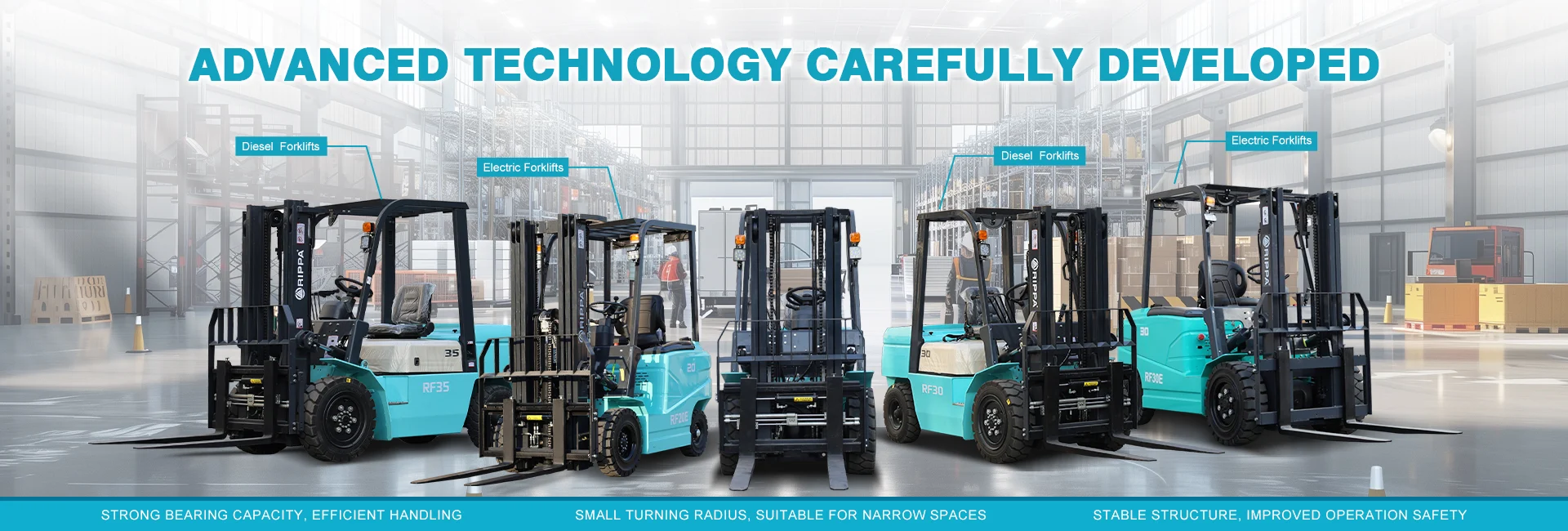
A mini экскаватор and forklift do not necessarily create identical service requirements.
Support may involve:
Support may involve:
Support may involve:
Support may involve:
Dealers should develop product-specific knowledge.
Attachments add another layer of complexity.
Before supplying a replacement component or technical recommendation, dealers may need to confirm:
Incorrect assumptions about compatibility can create both performance and safety issues.
Useful dealer records may include:
Documentation should be organized so staff can actually find it.
RIPPA’s official site currently maintains a Product & Technology Updates section with model-specific updates, illustrating why dealers need a process for keeping technical information current rather than relying only on the documents received with the first order.
Equipment products may receive changes over time.
A dealer may eventually have:
This makes machine identification increasingly important.
Technical information should always be matched to the correct configuration.
Dealers should clearly understand current warranty procedures.
К числу важных вопросов относятся:
Dealers should not invent warranty promises.
Customer expectations should be based on current confirmed terms.
Commercial equipment experiences:
These may be treated differently under warranty policies.
The dealer’s role is to collect accurate information and follow the applicable process rather than making premature conclusions.
One of the most frustrating after-sales experiences is silence.
Even when a final answer is not immediately available, customers benefit from knowing:
Clear communication can be as important as technical knowledge.
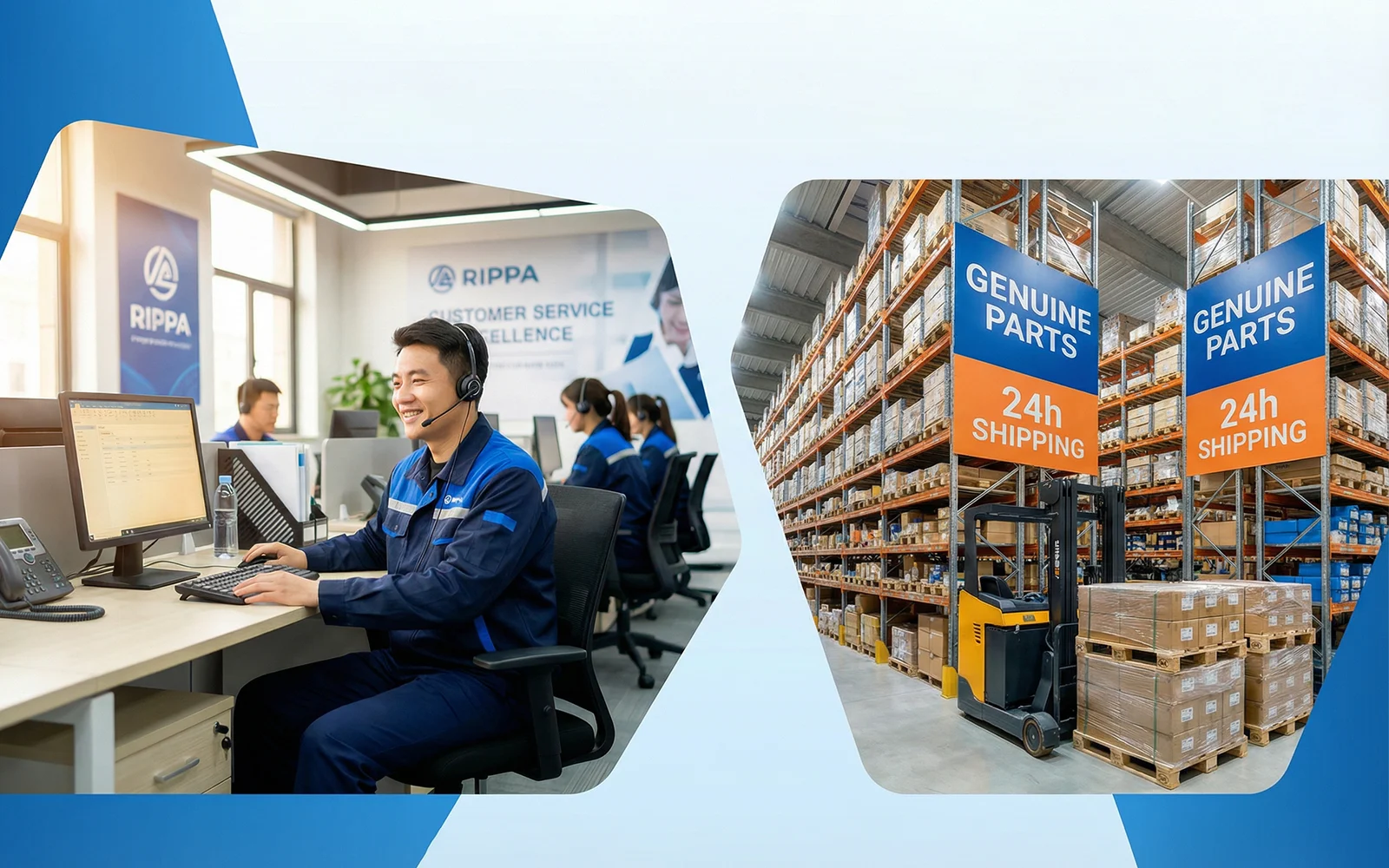
Parts should not only be viewed as a separate revenue stream.
They help maintain the equipment relationship.
A customer that can reliably obtain:
has more reason to return to the same dealer when purchasing another machine.
Parts and service requests reveal important information.
Dealers can analyze:
This data should influence future inventory decisions.
Service interactions often reveal business growth.
A contractor may mention:
A rental company may mention:
A farm equipment dealer may report:
These conversations can lead to legitimate repeat equipment opportunities.
A practical workflow can look like this:
Confirm machine information.
Is it:
Gather photos, identification details, symptoms, or part information.
Handle locally or forward appropriately.
Keep the customer informed.
Document what was supplied or resolved.
Improve parts inventory and training.
This process can scale as sales volume grows.
| Area | Dealer Preparation |
|---|---|
| Machine records | Track model and configuration |
| Service parts | Identify frequent requirements |
| Parts inventory | Stock according to machine population |
| Technical support | Create an intake process |
| Вложения | Verify compatibility |
| Documentation | Keep current technical information |
| Гарантия | Follow confirmed procedures |
| Escalation | Define who handles complex cases |
| Customer updates | Communicate progress clearly |
| Data review | Use support data for future purchasing |
For current RIPPA products, dealers should confirm:
The company’s official catalog currently spans several product families, so dealers expanding beyond excavators should avoid assuming that identical support procedures or parts requirements apply across every machine category. 瑞帕集团
Parts planning should begin before the installed machine population becomes large. Dealers do not need a huge warehouse initially, but they need a clear support process.
No. Local inventory should be based on demand, machine population, criticality, cost, and supplier lead time.
Different models and production configurations may use different parts. Correct identification reduces ordering mistakes.
They need enough knowledge to direct customer requests correctly, but complex diagnosis should be handled by qualified technical personnel.
Commercial buyers often return to dealers that can support equipment reliably after purchase.
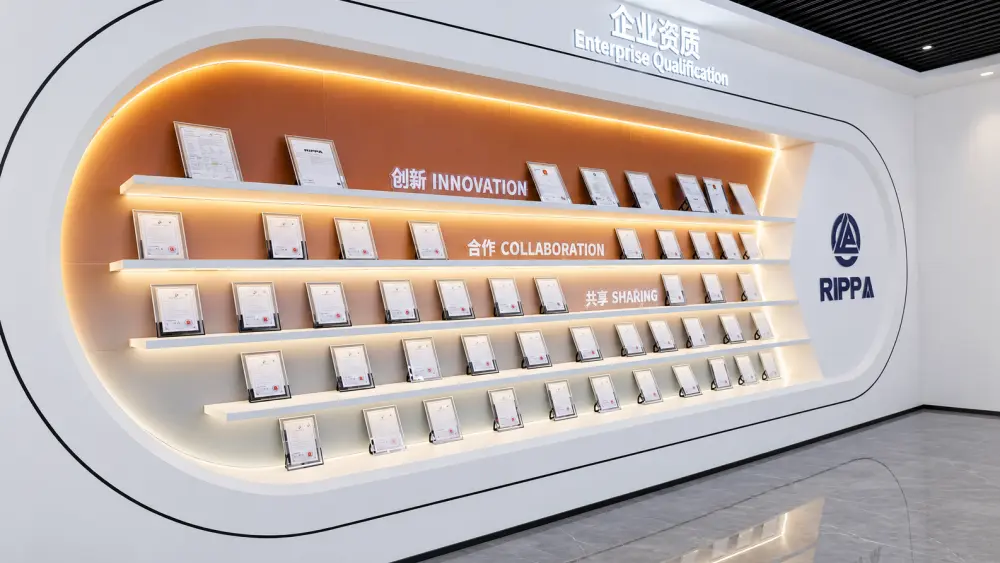
Equipment dealers should build parts and after-sales capability at the same time they build machine sales.
As mini excavators, skid steer loaders, compact wheel loaders, forklifts, and attachments enter the market, support requirements grow with them.
A scalable dealer system should include:
The strongest equipment dealership is not only able to deliver machines.
It is able to continue supporting those machines after they begin working for the customer.

Авторские права: Shandong Rippa Machinery Group Co., Ltd.
Юридический представитель: Ян Хуайго | Номер лицензии: 913708000509206491
Адрес: ул. Гуанъань, д. 39, микрорайон Люхан, Зона высоких технологий, г. Цзинин, провинция Шаньдун

 Главная
 Продукция
 Электронная почта
 WhatsApp