Ноя 25, 2025
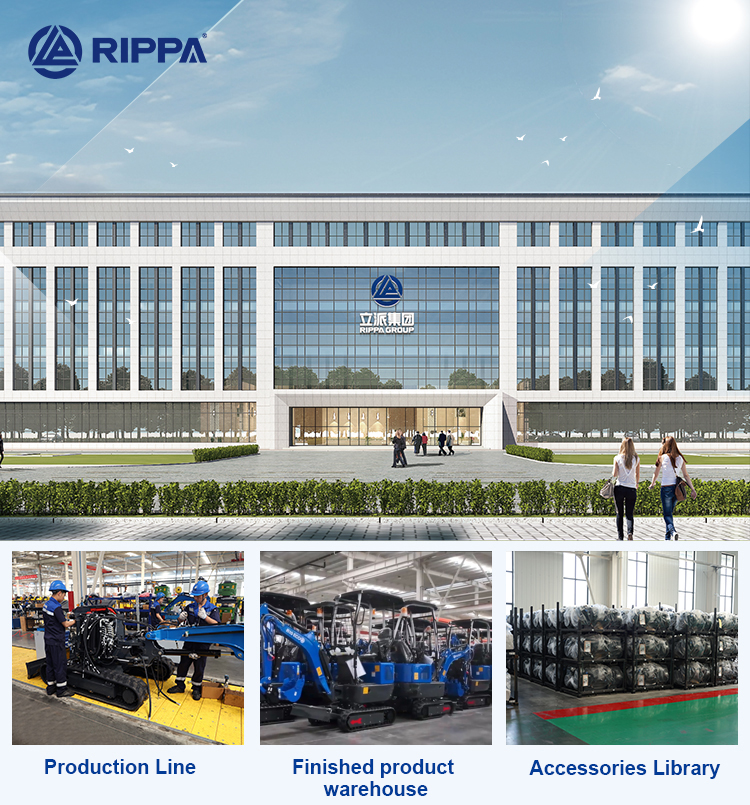
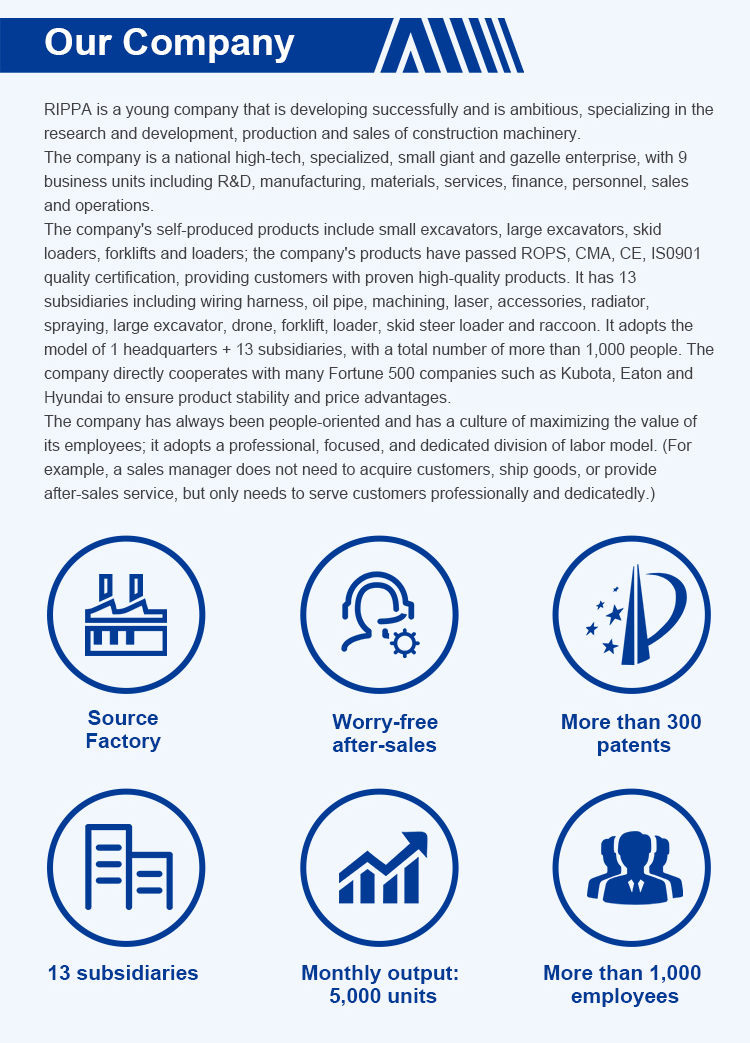
My biggest rookie mistake was buying the cheapest machine I could find. It broke down constantly, and the parts were impossible to find. The initial savings were wiped out in a single month of downtime. Now, I look at fuel consumption, standard warranty length, and the cost of common wear parts. A slightly more expensive machine from a manufacturer with a robust supply chain, like Rippa (which has a $20 million spare parts reserve), is far cheaper in the long run.
The engine gets all the glory, but the hydraulic system is the machine’s heart. I learned to ask: Is it a standard gear pump or a more efficient variable displacement piston pump? What’s the auxiliary hydraulic flow? A high-flow system (like on Rippa’s RS20 skid steer) lets you run powerful attachments like brush cutters and cold planers. A weak system will limit your business growth. Don’t just assume it’s “good enough.”
You’ll spend hundreds of hours in that cab. Seemingly small things become huge. Is there a flip-up front windshield for ventilation and as an emergency exit? Is the seat ergonomic? Are the grease nipples protected by guard blocks? On my Rippa R15, these standard features massively reduced daily frustration and maintenance. Look at the machine from an operator’s perspective, not just a buyer’s.
Two machines might have the same “horsepower,” but one could feel anemic. I got fooled by this once. Now, I dig deeper. I look at actual digging force (in kN) and lifting capacity. I also prioritize features that impact real-world efficiency, like a hydraulic quick coupler (saving 30+ seconds every attachment change) or telescopic tracks for stability. These are the specs that make you money.
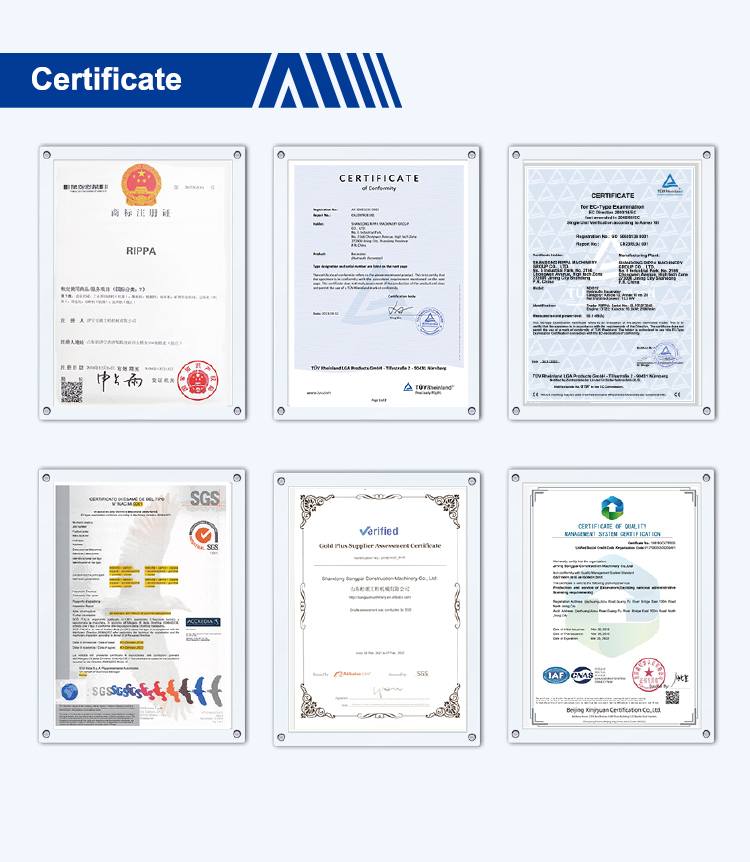
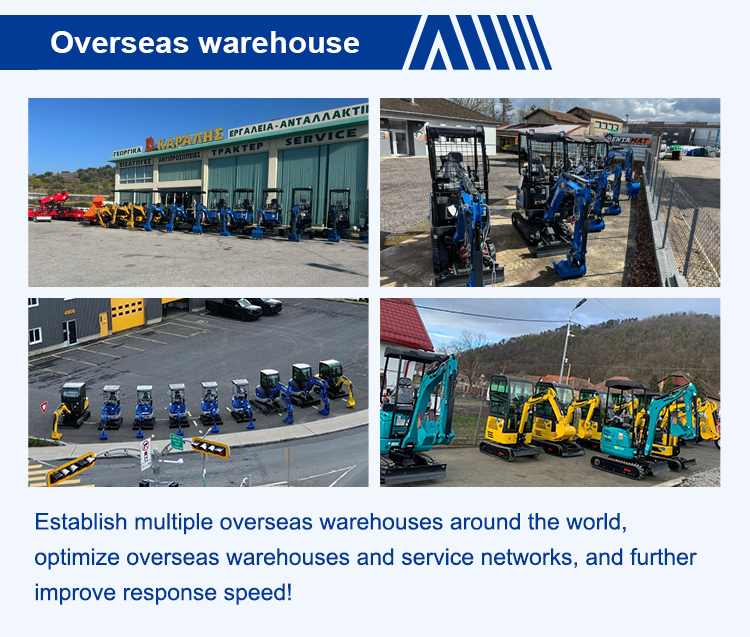
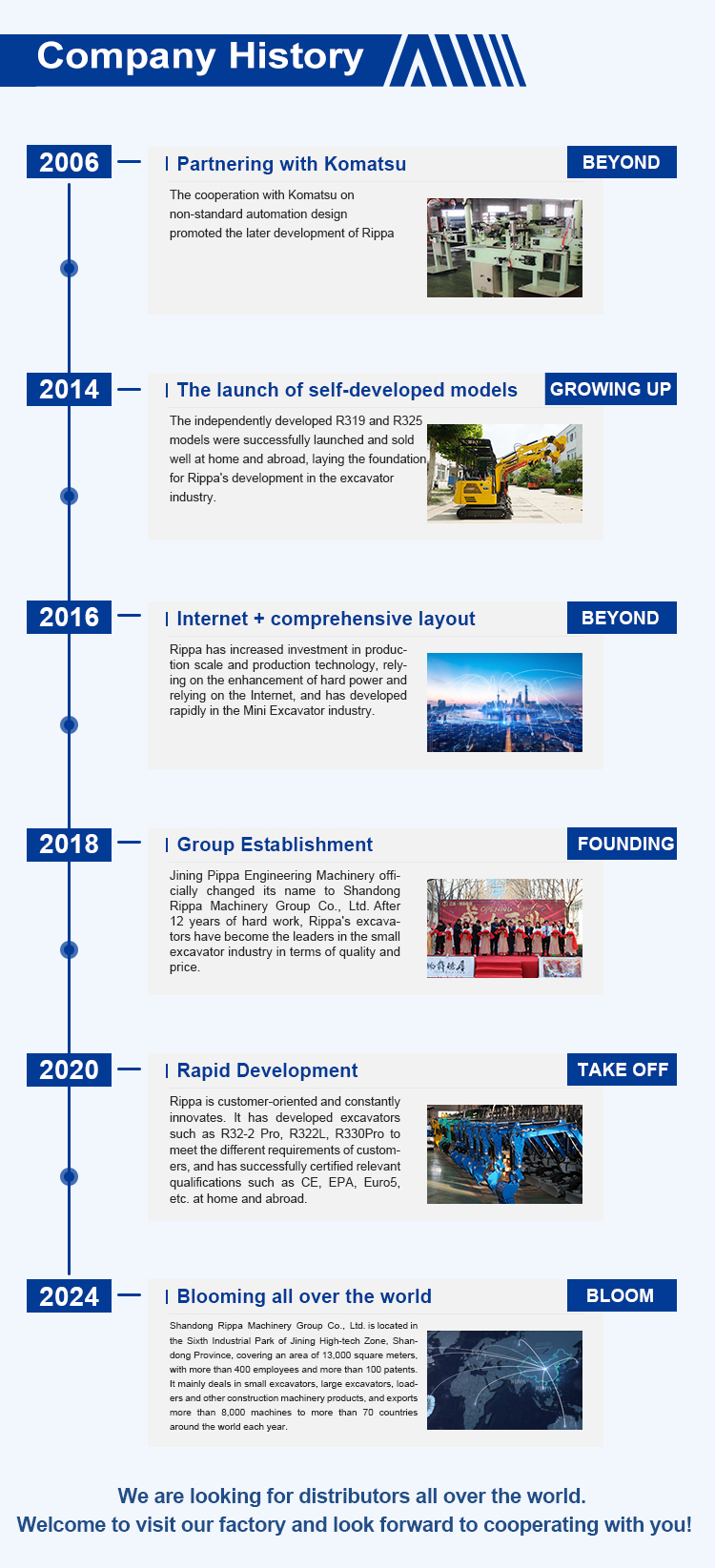
This is the most critical step. A machine will break. The question is, what happens next? Before buying, I now always ask: How many service locations do they have? Is there an overseas warehouse near me? What’s the parts availability? Rippa’s network of over 800 service locations and 8 overseas warehouses in the US, Canada, and Europe was a deciding factor for me. It meant support was local, not a week away by ship.
Your first mini excavator should be a reliable profit center, not a source of stress. By focusing on long-term value and real-world performance, you’ll build a stronger foundation for your business.
Choose a Partner, Not Just a Product.
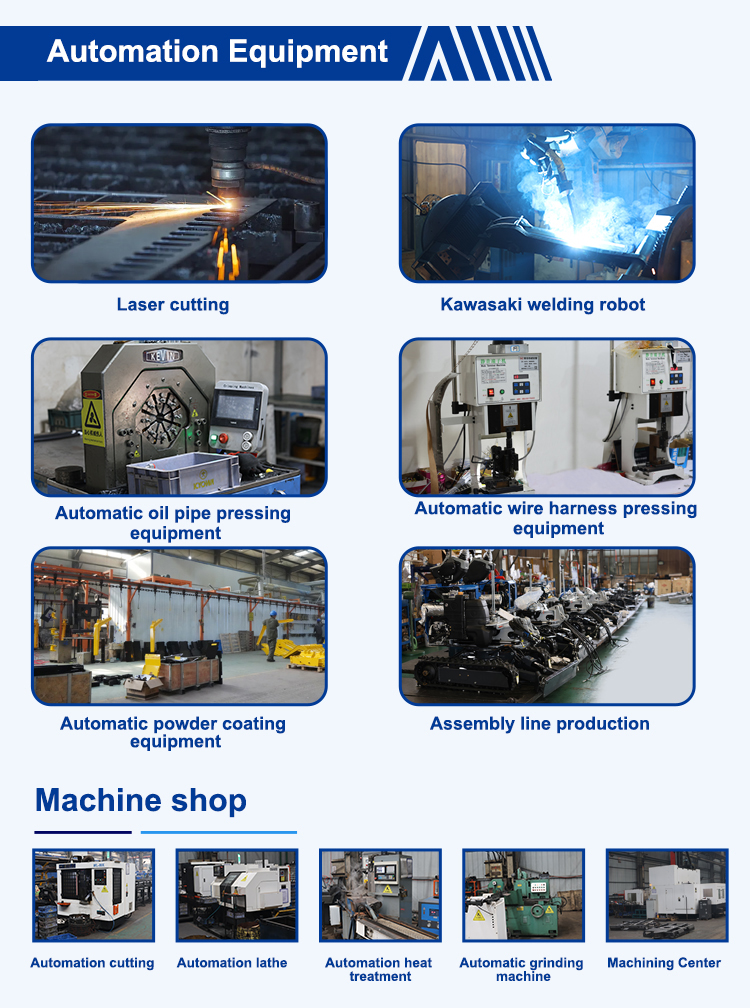
At Rippa, we build our mini excavators to prevent these very pitfalls. With durable designs, transparent component sourcing, and a global support network, we ensure your first machine is your best decision.
Get a clear, honest consultation from our experts. Tell us your project needs, and we’ll help you select the perfect model. Reach out for a personalized recommendation today!


 Главная
 Продукция
 Электронная почта
 WhatsApp