lis 03, 2026
When comparing mini excavators, buyers often encounter terms such as zero tail swing, reduced tail swing, and conventional tail swing.
These terms describe how the rear of an koparka moves when the upper structure rotates.
Although the difference may appear small, it can significantly affect machine selection for contractors working in residential areas, narrow construction sites, landscaping projects, and other confined environments.
A zero tail swing mini koparka is designed to keep the rear counterweight within or close to the machine’s track width during rotation.
A conventional tail swing koparka has a rear structure that extends beyond the track width when rotating.
Neither design is universally better.
The right choice depends on available working space, machine configuration, stability requirements, and the type of projects the business performs.
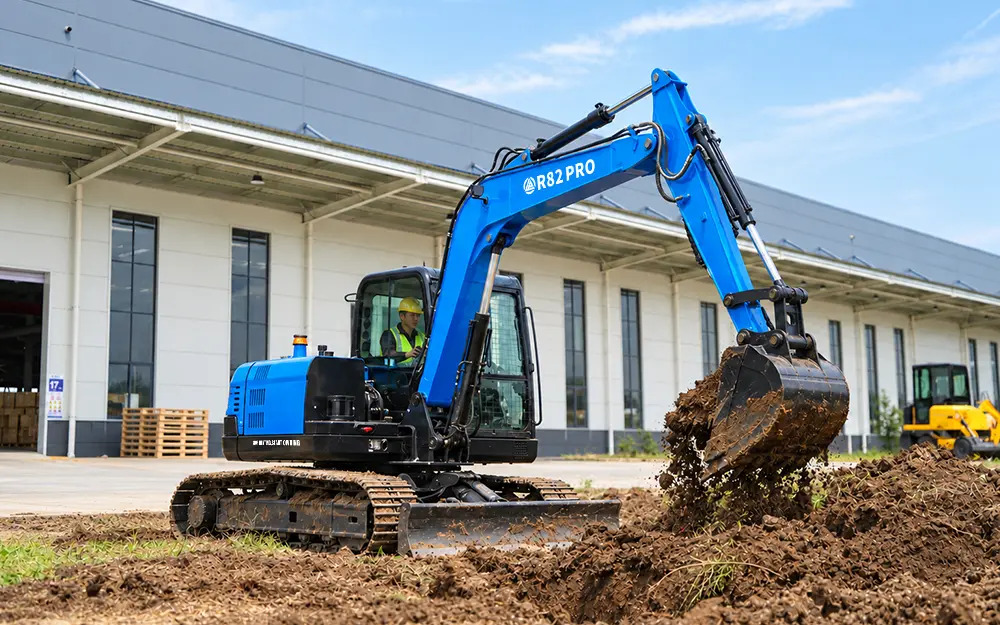
A zero tail swing mini excavator is designed so that the rear of the upper structure stays within the undercarriage width during its intended rotation.
This design can be particularly useful when working near obstacles.
Do typowych zastosowań należą:
The reduced rear clearance requirement can make it easier to position the machine in restricted spaces.
However, zero tail swing does not mean the entire machine can operate without clearance.
The boom, bucket, blade, and attachments still need sufficient working space.
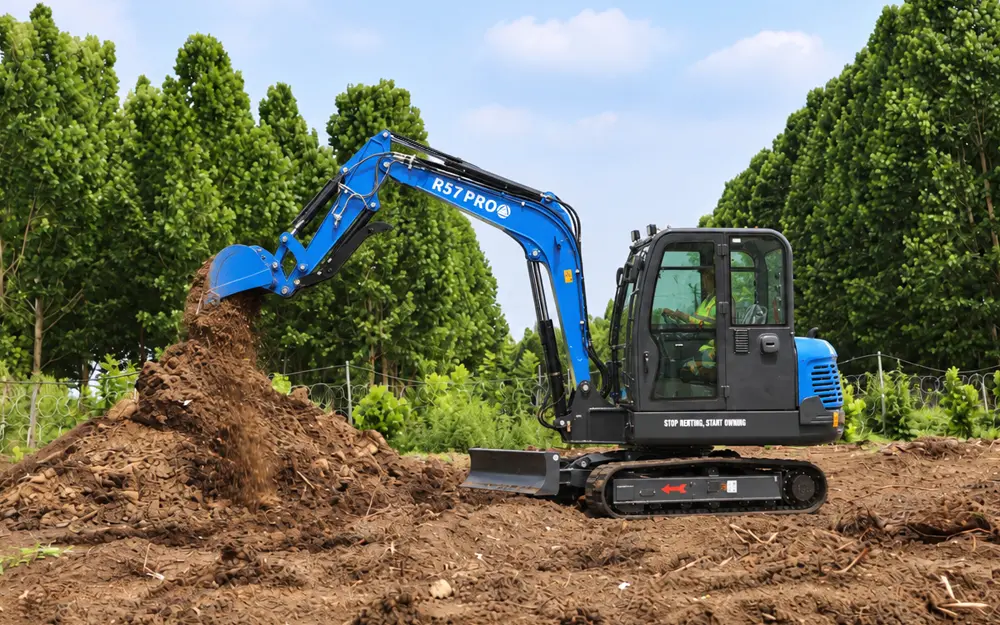
A conventional tail swing excavator has a counterweight and rear structure that extend beyond the track width during rotation.
This configuration is common across many excavator designs.
Depending on the model, it may offer different advantages in:
The actual performance depends on the complete machine design rather than tail swing alone.
Conventional tail swing machines may be appropriate for open construction sites, agricultural projects, and applications where sufficient clearance is available.
| Czynnik | Zero Tail Swing | Conventional Tail Swing |
|---|---|---|
| Rear clearance | Designed to remain within or close to track width | Rear structure extends beyond track width |
| Confined spaces | Often advantageous | Requires additional clearance |
| Residential work | Useful near walls and obstacles | Depends on available space |
| Machine rotation | Reduced rear interference | Requires greater rear clearance |
| Stability | Depends on complete design and configuration | Depends on complete design and configuration |
| Site selection | Useful for restricted environments | Suitable for sites with sufficient clearance |
Landscaping contractors often work around existing properties.
Their job sites may contain:
A conventional excavator may require additional clearance behind the machine.
A zero tail swing design can help reduce this concern.
For example, when excavating near a residential wall, a machine with reduced rear overhang may provide more flexibility when positioning and rotating.
However, operators must still consider boom movement, bucket reach, machine stability, and surrounding obstacles.
It can be advantageous for certain urban applications.
Potential examples include:
The reduced rear overhang can help the machine operate in restricted environments.
However, the best machine still depends on the complete site layout.
A narrow machine with insufficient digging capability may not be suitable for a demanding construction project.
This is a common purchasing question.
The answer is that tail swing alone does not determine stability.
Stability depends on multiple factors, including:
Buyers should review the manufacturer’s lifting charts, operating instructions, and stability information for the exact model.
Do not assume that all zero-tail-swing excavators have the same lifting capability or that conventional machines are automatically more stable.
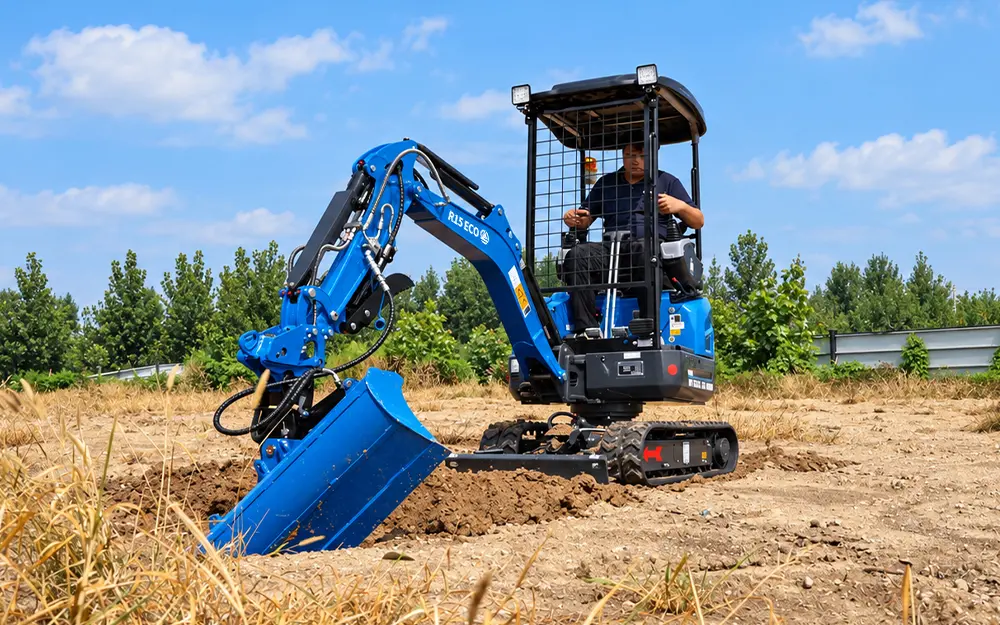
Rental companies should consider their customer mix.
A rental fleet serving residential contractors and landscapers may benefit from zero or reduced tail swing machines.
A fleet serving larger construction sites may also find conventional tail swing models suitable.
Useful evaluation factors include:
The most suitable machine is the one that matches the rental company’s actual local demand.
Dealers should avoid selecting inventory based only on design terminology.
Instead, ask customers:
If many customers perform confined-space work, zero or reduced tail swing models may deserve more attention.
For other markets, conventional configurations may be equally relevant.
Before choosing either design, compare:
The manufacturer should provide the relevant technical specifications for the exact model.
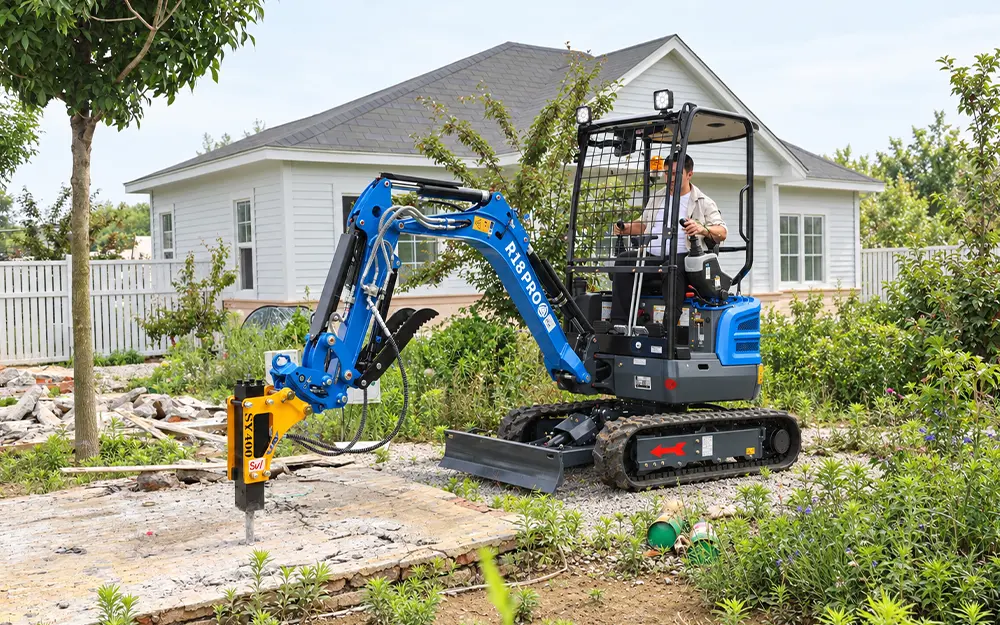
It means the rear upper structure is designed to stay within or close to the undercarriage width during rotation.
It can be, particularly when rear clearance is limited. However, the entire machine and its attachments still require adequate operating space.
Not automatically. Digging performance depends on the machine’s engine, hydraulic system, geometry, and specifications.
Yes. They remain suitable for many open construction, agricultural, and excavation applications.
The decision should follow local customer demand and the applications common in the dealer’s territory.
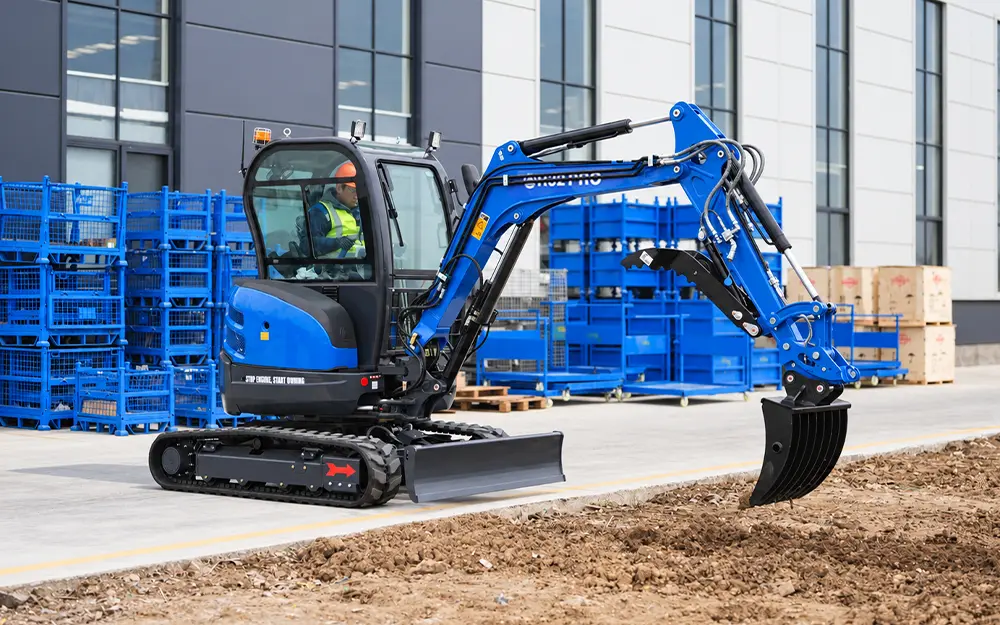
The choice between zero tail swing and conventional tail swing mini excavators depends on working conditions.
Zero tail swing designs can provide advantages in confined environments where rear clearance is limited.
Conventional tail swing machines may be suitable when more open working space is available.
For contractors, rental businesses, and equipment dealers, the most important step is to compare actual machine dimensions and working specifications rather than selecting a machine based on its tail swing label alone.
A well-matched excavator can help improve job-site flexibility and provide a better equipment solution for customers.

Prawa autorskie: Shandong Rippa Machinery Group Co., Ltd.
Przedstawiciel prawny: Yan Huaiguo | Nr licencji: 913708000509206491
Adres: ul. Guangan 39, dzielnica Liuhang, Strefa Technologii Zaawansowanych, miasto Jining, prowincja Shandong

 Strona główna
 Produkty
 E-mail
 WhatsApp