sie 10, 2026
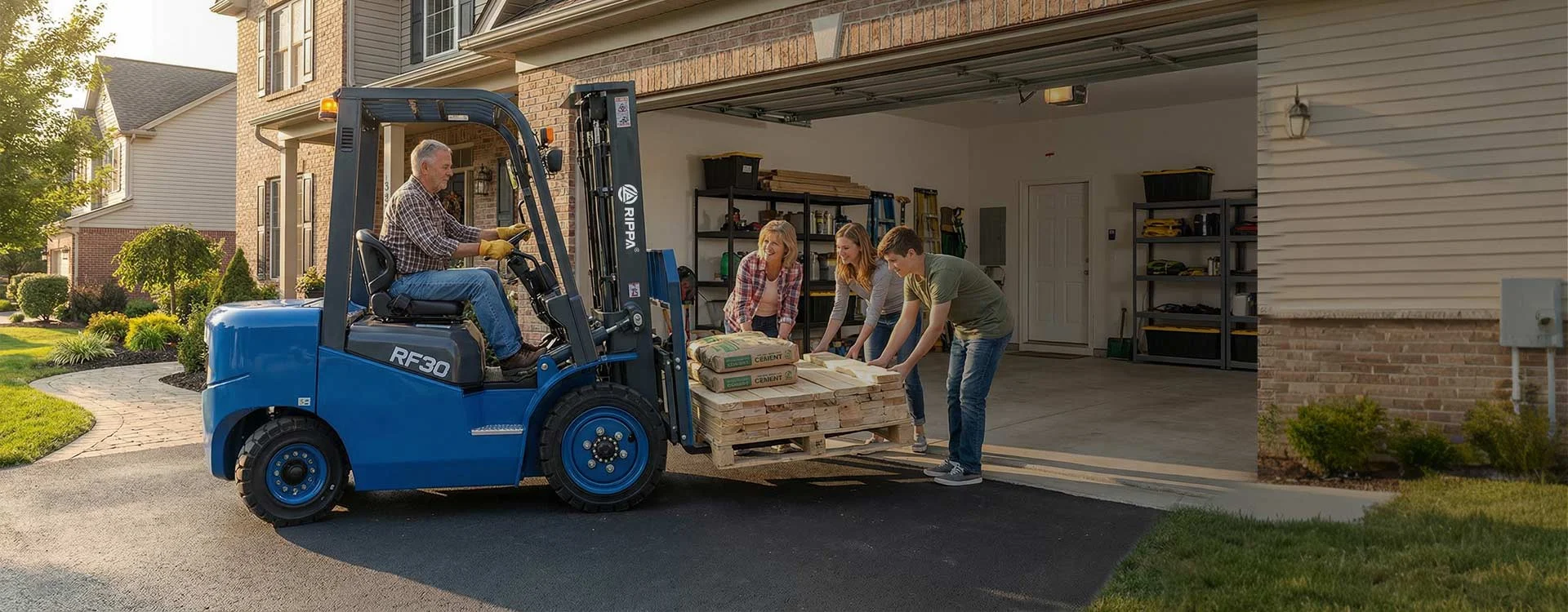
Material handling is one of the most important parts of daily work for warehouses, logistics companies, farms, factories, retail storage areas, and rental businesses. When goods need to be moved, lifted, stacked, loaded, unloaded, or organized, relying only on manual labor can slow down operations and increase work pressure.
A forklift is one of the most practical machines for these tasks.
RIPPA forklifts are designed to support real material handling needs. They can help customers improve pallet movement, warehouse organization, logistics transfer, farm supply handling, factory workflow, retail storage operations, rental equipment service, and local equipment business development.
A forklift is used to lift, move, stack, and transport materials over short distances. It is especially useful for palletized goods, warehouse inventory, packaged materials, farm supplies, retail stock, factory materials, and logistics operations.
Do typowych zastosowań wózków widłowych należą:
For customers who handle goods repeatedly, a forklift can become a core daily-use machine.
 Wózki widłowe RIPPA do magazynów
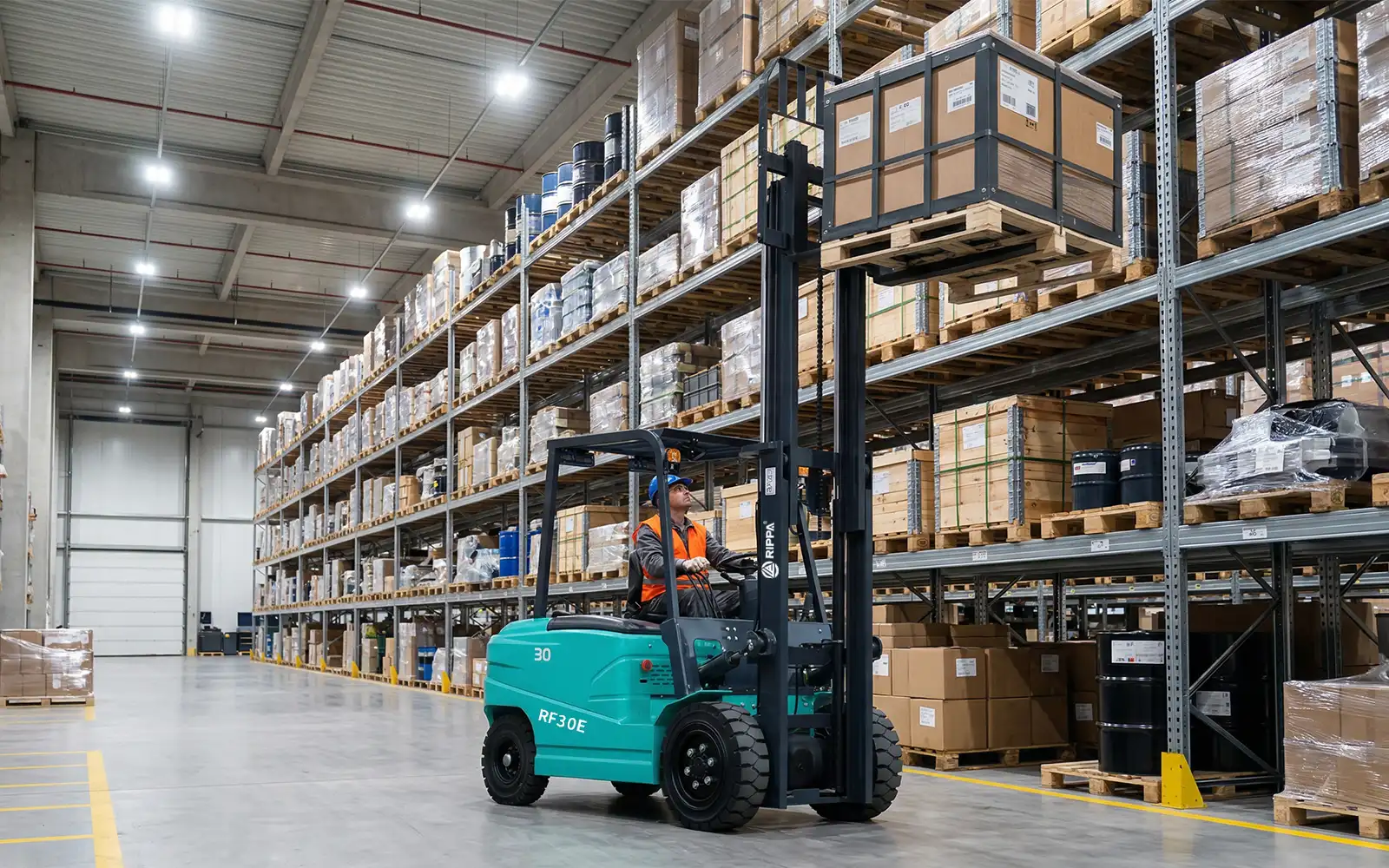
Warehouses need machines that can move goods efficiently and keep storage areas organized. A RIPPA forklift can support common warehouse tasks such as pallet movement, stock transfer, loading, unloading, and inventory handling.
| Zadanie magazynowe | Jak przydaje się wózek widłowy |
|---|---|
| Przemieszczanie palet | Przewozi towary między magazynem a obszarami roboczymi |
| Załadunek i rozładunek | Ułatwia rozładunek towarów z ciężarówek lub kontenerów |
| Organizacja zapasów | Umożliwia układanie w stosy i planowanie magazynowania |
| Przenoszenie materiałów | Przenosi produkty między strefami magazynowymi |
| Daily operation support | Reduces repeated manual handling pressure |
| Storage management | Helps improve movement inside storage areas |
For warehouse users, forklift selection should consider working environment, material type, aisle conditions, lifting needs, usage frequency, and local service support.
A warehouse with repeated pallet movement needs a machine that fits its daily workflow. The right forklift should match the goods being handled, the available space, and the required movement pattern.
Logistics businesses need reliable handling equipment to keep goods moving. A forklift can improve workflow in loading areas, distribution centers, transport yards, and temporary storage facilities.
Do typowych zastosowań logistycznych należą:
For logistics users, uptime, operation guidance, parts support, and service coordination are important considerations. A forklift is not only a machine for lifting goods. It is also part of the daily flow of movement, loading, unloading, and storage.
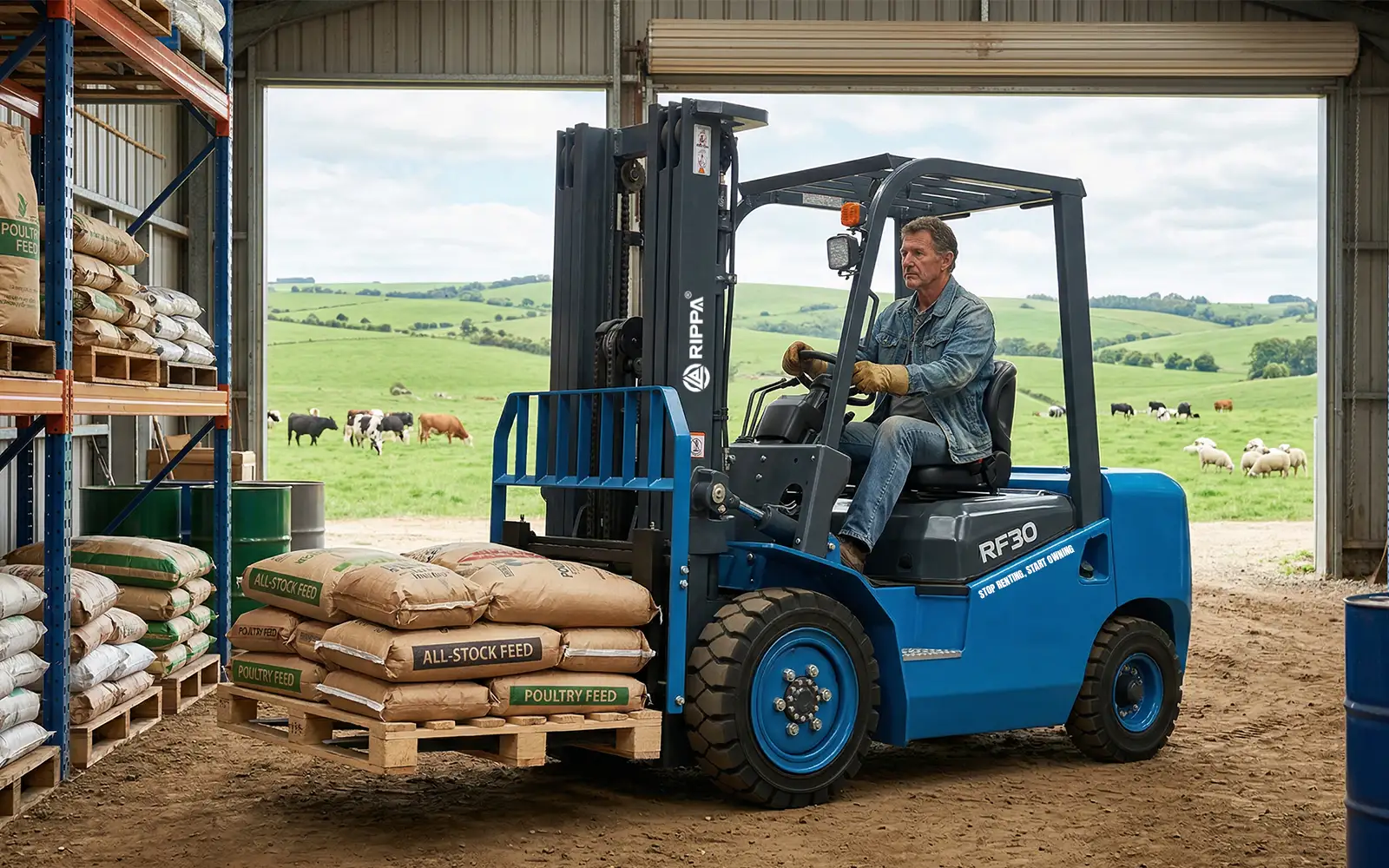
Farms may also need forklifts for handling packaged goods, feed, supplies, pallets, and other materials. Depending on the working environment, a forklift can help reduce manual labor and improve material movement efficiency.
Do typowych zastosowań związanych z rolnictwem należą:
Farm users should confirm whether the forklift configuration fits the ground condition, material type, lifting needs, and working environment before purchase.
Factories and retail storage areas also need efficient material handling. A forklift can support movement between storage areas, production zones, loading points, and inventory areas.
Factory and retail applications may include:
For factory and retail users, a forklift should be selected based on material type, working surface, storage layout, lifting needs, and daily usage frequency.
Rental companies can offer forklifts to customers who need short-term material handling support. Forklift rental demand may come from warehouses, logistics companies, event sites, retail storage areas, farms, temporary storage projects, factories, and local businesses.
Firmy wynajmujące powinny wziąć pod uwagę:
A clear rental process helps customers use the machine more confidently and reduces misunderstanding. Rental companies should also explain what customers need to confirm before use, especially working environment, material type, ground conditions, and lifting requirements.
For equipment dealers, forklifts can serve several local customer groups, including warehouses, logistics companies, farms, factories, retail businesses, rental companies, and material handling operators.
| Możliwości dla dealerów | Wartość biznesowa |
| Sprzedaż wózków widłowych | Serves warehouses, logistics, farms, factories, and businesses |
| Wsparcie w zakresie części zamiennych | Builds long-term ownership confidence |
| Lokalne demonstracje | Shows practical handling performance |
| Współpraca w zakresie wynajmu | Supports temporary customer demand |
| Edukacja klientów | Pomaga kupującym w wyborze odpowiedniego sprzętu |
| Koordynacja usług | Wzmacnia zaufanie dealerów |
| Business follow-up | Creates long-term customer relationships |
Dealers should promote forklifts through real customer tasks such as pallet handling, loading, unloading, warehouse movement, material transfer, and storage organization.
A strong dealer does not only introduce a forklift as a machine. The dealer helps customers understand how the forklift fits daily operations.
Before choosing a forklift, buyers should understand their actual material handling needs.
Do najważniejszych pytań należą:
This process helps buyers choose a forklift based on real working conditions instead of only product appearance.
Because forklift configurations, market policies, and support terms may change, buyers should confirm current information before purchase or quotation.
| Kwestia do potwierdzenia | Dlaczego to ma znaczenie |
| Current forklift configuration | Ensures the machine matches material handling needs |
| Odpowiedniość środowiska pracy | Helps confirm indoor, outdoor, or site use |
| Material and lifting suitability | Helps match the machine to real goods and tasks |
| Zasady gwarancji | Warunki mogą się różnić w zależności od rynku i kanału sprzedaży |
| Wsparcie w zakresie części zamiennych | Ważne dla długoterminowego posiadania |
| Wsparcie serwisowe | Pomaga ograniczyć obawy związane z przestojami |
| Warunki dostawy | Należy to potwierdzić przed dokonaniem płatności |
| Wskazówki dotyczące obsługi | Pomaga użytkownikom pracować bezpiecznie |
A safe public statement is: “Please confirm the latest forklift configuration, warranty policy, delivery arrangement, operation guidance, and service terms with an authorized RIPPA representative before purchase.”
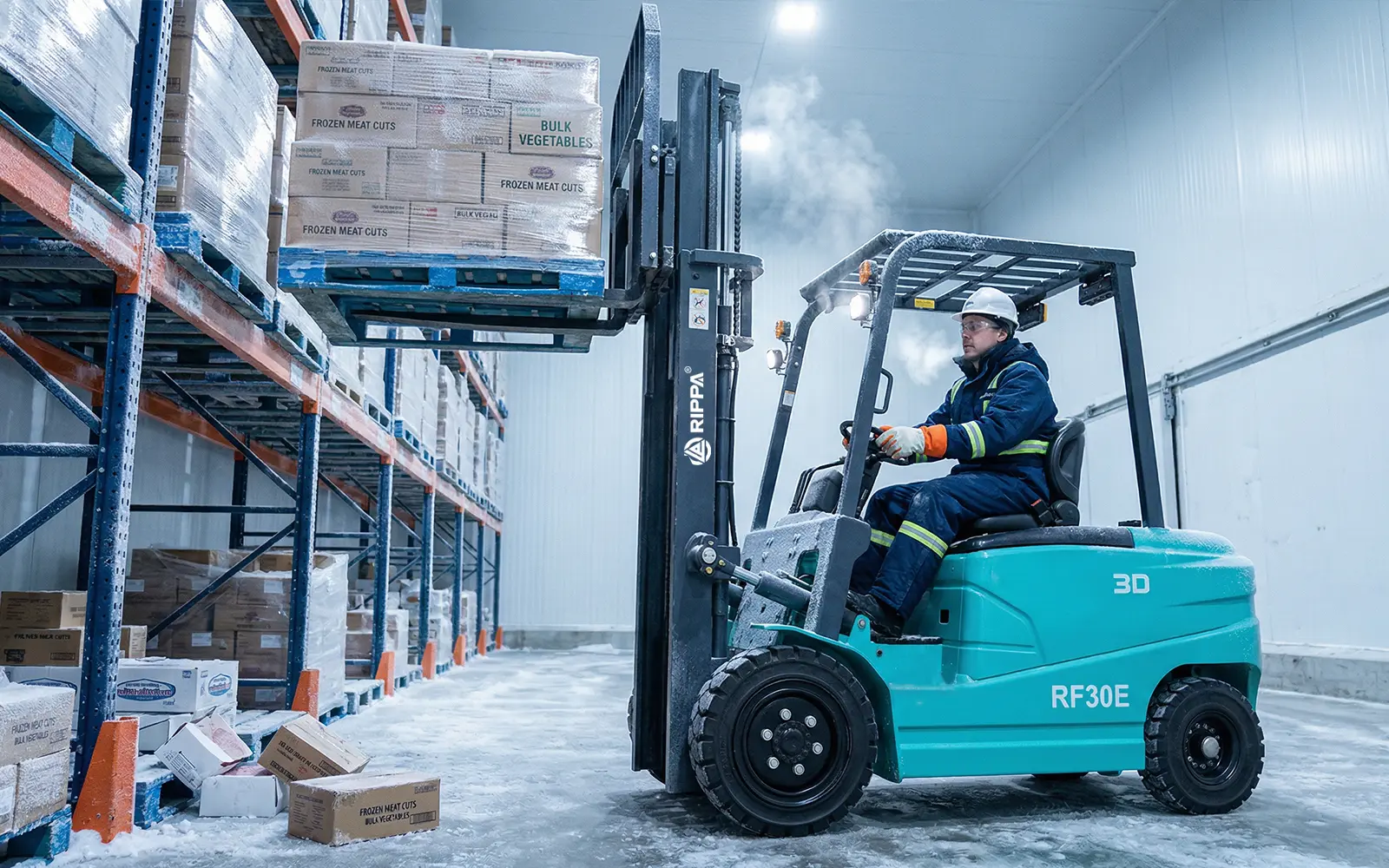
A RIPPA forklift can be used for pallet movement, warehouse handling, logistics operations, loading, unloading, factory material transfer, retail storage, farm supply movement, and rental applications.
Yes. Forklifts are commonly used in warehouses for moving pallets, loading and unloading goods, organizing inventory, and transferring materials.
Yes. Farms can use forklifts for palletized supplies, packaged materials, feed handling, storage support, and movement between farm buildings.
Yes. Rental companies can offer forklifts to customers who need temporary material handling support for warehouses, logistics, storage, farms, factories, or event sites.
Buyers should consider material type, working environment, lifting needs, usage frequency, operation guidance, parts support, service support, and current machine configuration.
Buyers should confirm the latest forklift configuration with an authorized RIPPA representative before purchase because product details may change over time.
RIPPA forklifts help warehouses, logistics businesses, farms, factories, retail storage areas, rental companies, and equipment dealers improve material handling efficiency.
They can support pallet movement, loading, unloading, storage organization, material transfer, and daily business operations. For buyers, the value is more efficient handling. For rental companies, the value is temporary material handling demand. For dealers, the value is a practical product category that serves many local industries.
Before purchase or promotion, buyers and dealers should always confirm current forklift configuration, warranty policy, service support, delivery arrangement, and operation guidance through official RIPPA channels.

Prawa autorskie: Shandong Rippa Machinery Group Co., Ltd.
Przedstawiciel prawny: Yan Huaiguo | Nr licencji: 913708000509206491
Adres: ul. Guangan 39, dzielnica Liuhang, Strefa Technologii Zaawansowanych, miasto Jining, prowincja Shandong

 Strona główna
 Produkty
 E-mail
 WhatsApp