sie 30, 2026
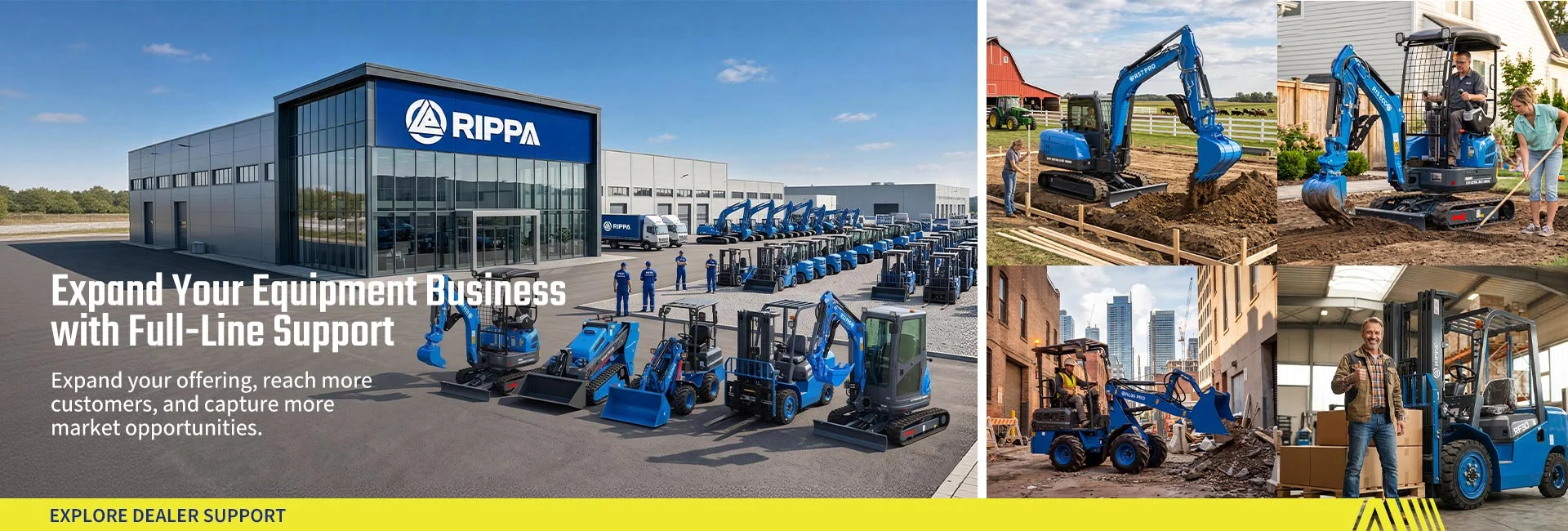
Equipment dealers are no longer selling machines only to one type of buyer. Today, B2B customers may include contractors, farmers, rental companies, landscape businesses, warehouse operators, material yards, trailer dealers, property maintenance companies, and local machinery resellers.
Each customer group has different needs. Some need digging equipment. Some need loading machines. Some need pallet handling equipment. Some need material movement. Some need a complete compact equipment product line.
This is why dealers should understand how to position excavators, skid steer loaders, forklifts, compact wheel loaders, and attachments based on customer applications.
RIPPA compact equipment can be considered by dealers and resellers who want to serve B2B customers across construction, agriculture, landscaping, rental, material handling, and local machinery markets. Before promotion or resale, dealers should confirm current product configuration, attachment compatibility, spare parts support, warranty policy, delivery arrangement, documentation, and cooperation terms through official RIPPA channels.
A common mistake in equipment sales is starting with the product instead of the customer. B2B buyers usually care less about general product descriptions and more about whether the machine can solve their business problem.
A contractor may ask:
“Can this machine help me reduce subcontracting?”
A rental company may ask:
“Will this machine rent frequently and stay available?”
A farmer may ask:
“Can this machine help with drainage, fencing, and land maintenance?”
A warehouse operator may ask:
“Can this forklift improve pallet movement and loading efficiency?”
A landscape business may ask:
“Can this equipment help us take on larger projects?”
Dealers should match the machine to these customer questions.
Excavators, especially mini excavators, are often one of the strongest products for B2B equipment dealers because they serve a wide range of customers.
Common koparka customers include:
Excavators are commonly used for:
For dealers, excavators can create revenue through machine sales, attachments, parts, maintenance support, repeat purchases, and customer referrals.
Mini excavators should often be positioned as the core compact digging product.
Skid steer loaders are different from excavators. They are mainly used for loading, grading, cleanup, and material movement. They are useful for contractors, farms, landscapers, rental companies, and property maintenance businesses.
Do typowych zastosowań ładowarek o sterowaniu burtowym należą:
Dealers should explain the difference clearly:
| Machine | Main Function |
|---|---|
| Mini koparka | Wykopy i kopanie rowów |
| Ładowarka o sterowaniu burtowym | Loading, cleanup, grading, and material movement |
A customer who needs to dig drainage trenches may need an excavator. A customer who needs to move mulch or clean a site may need a skid steer loader. Some customers may need both.
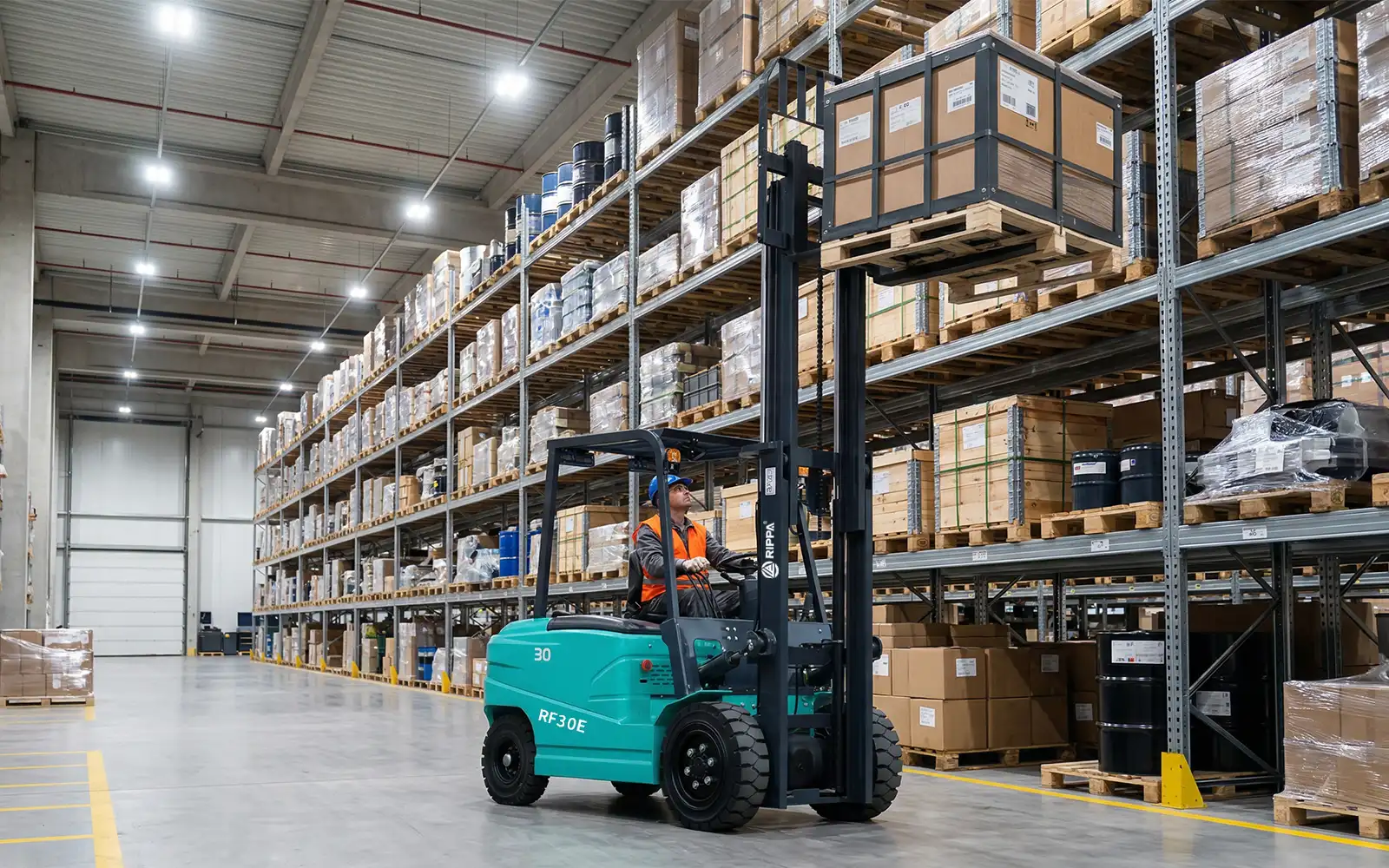
Forklifts serve a different B2B market. They are not primarily construction machines. They are material handling machines used for lifting, stacking, loading, unloading, and moving palletized or packaged materials.
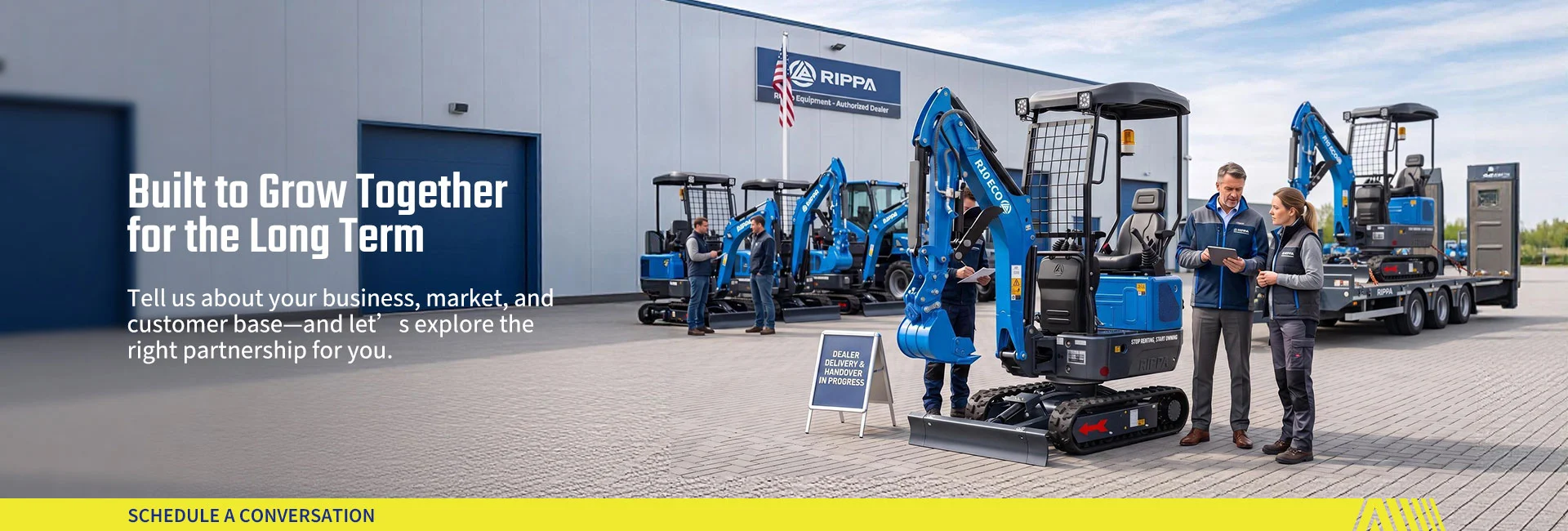
Forklift customers may include:
Forklifts are useful for:
For dealers, forklifts can open the door to B2B customers outside traditional construction equipment. A machinery dealer serving farms, yards, or industrial customers may find forklift demand among existing contacts.
Compact wheel loaders are mainly used for loading and moving loose materials. They are practical machines for farms, yards, landscaping suppliers, construction sites, and municipal work areas.
Common compact wheel loader applications include:
Compact wheel loaders do not replace excavators or forklifts. Their role is different.
| Product | Best Use |
|---|---|
| Excavator | Wykopy i kopanie rowów |
| Ładowarka o sterowaniu burtowym | Loading, cleanup, and compact job-site work |
| Compact Wheel Loader | Moving loose materials |
| Wózek widłowy | Lifting and moving palletized goods |
Dealers should position compact wheel loaders for customers whose main problem is moving material efficiently.
Attachments can help dealers sell machines based on applications rather than only product names.
Do typowych sposobów mocowania należą:
For example:
Attachment compatibility must always be confirmed by current model and official product information.
Dealers should group customers by business type and application.
Main needs:
Recommended focus:
Main needs:
Recommended focus:
Main needs:
Recommended focus:
Main needs:
Recommended focus:
Main needs:
Recommended focus:
Main needs:
Recommended focus:
Price matters, but B2B customers usually care about more than the initial purchase cost. A machine that is difficult to support may damage customer trust.
Dealers should also focus on:
Low price may generate inquiries, but support creates repeat business.
RIPPA compact equipment can be considered by dealers who want to build a product line for B2B customers.
Potential product roles include:
Potential customer groups include:
Before promoting RIPPA products, dealers should confirm current configurations, attachment compatibility, spare parts support, warranty policy, delivery terms, documentation, and dealer cooperation details.
Dealers should not only create product pages. They should also create application pages that match B2B customer search behavior.
Useful content directions include:
This type of content helps attract customers who search by need, not just by product category.
Contractors often need excavators, skid steer loaders, attachments, and sometimes wheel loaders depending on the type of work.
Farms may need mini excavators for drainage and ditch cleaning, wheel loaders for material movement, skid steer loaders for yard work, and forklifts for palletized supplies where suitable.
Forklifts are mainly material handling machines, but they can still be useful for dealers serving warehouses, farms, yards, factories, and logistics customers.
Mini excavators serve many customer groups and can create revenue through machine sales, attachments, parts, service, repeat purchases, and rentals.
Not always. Dealers should start with the products that best match their existing customers, then expand after demand is proven.
Dealers should confirm current product configuration, parts support, warranty policy, technical support, delivery arrangement, documentation, attachment compatibility, and cooperation terms.
Equipment dealers can build stronger B2B business by matching machines to customer applications. Excavators support digging and trenching. Skid steer loaders support loading, grading, and cleanup. Forklifts support pallet and warehouse handling. Compact wheel loaders support loose material movement. Attachments expand what each machine can do.
The best dealer strategy is not to sell machines as isolated products. It is to understand each customer group, identify their work problems, and recommend the equipment that best supports their business.
RIPPA compact equipment can be considered by dealers and resellers serving contractors, farms, rental companies, landscapers, warehouses, material yards, and small construction businesses. Before purchase, resale, rental use, or promotion, all current product, attachment, support, warranty, delivery, documentation, and cooperation details should be confirmed through official RIPPA channels.

Prawa autorskie: Shandong Rippa Machinery Group Co., Ltd.
Przedstawiciel prawny: Yan Huaiguo | Nr licencji: 913708000509206491
Adres: ul. Guangan 39, dzielnica Liuhang, Strefa Technologii Zaawansowanych, miasto Jining, prowincja Shandong

 Strona główna
 Produkty
 E-mail
 WhatsApp