wrz 30, 2026
B2B equipment businesses can consider RIPPA when they want to build a compact equipment offering around mini excavators and then add complementary machinery according to customer demand.
A practical product strategy can use:
For many dealers, mini excavators can remain the central product because compact excavation demand exists across contractors, rental companies, farms, landscaping businesses, rural service companies, and other B2B markets.
The other equipment categories should be added according to real applications rather than treated as equally important from the beginning.
Before purchasing, reselling, or promoting RIPPA equipment, B2B buyers should confirm current product availability, machine configurations, attachments, spare parts support, warranty, technical support, delivery arrangements, documentation, and cooperation terms through official channels.
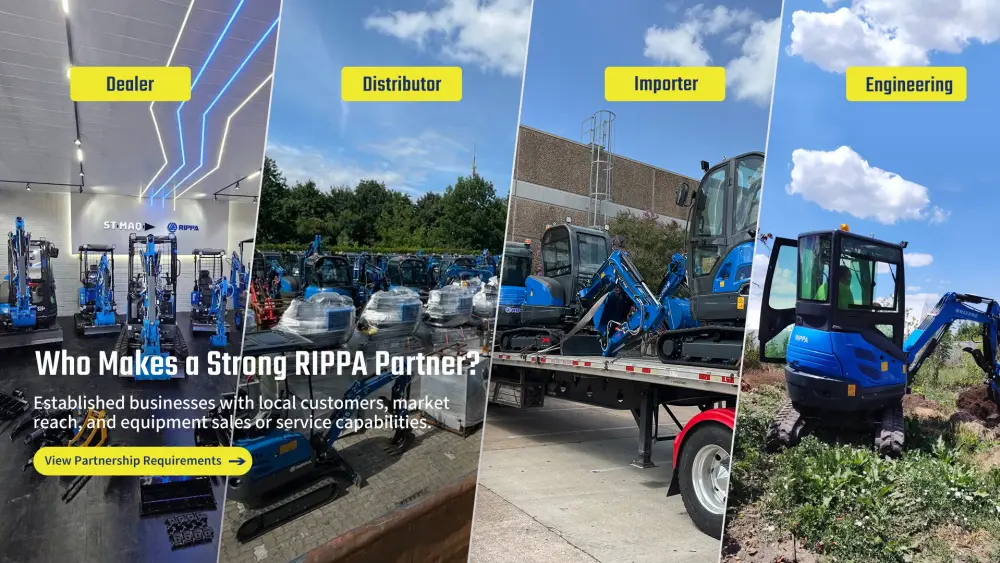
Potential B2B businesses may include:
The correct product mix depends on the customers each business serves.
For dealers serving contractors, rental companies, farms, landscapers, and rural customers, mini excavators can be a practical starting category.
They may support:
One product category can therefore reach several industries.
This allows a new dealer to focus on building product knowledge and after-sales support before adding too many other machine categories.
Mini excavators can connect a dealer with several valuable B2B customer groups.
Need:
Need:
Need:
Need:
Need:
This customer overlap makes the koparka useful as a central sales category.
Attachments are often one of the first logical expansion categories.
They allow customers to get more applications from machines they already own.
Potential attachment directions include:
For dealers, attachments may create repeat business without requiring another machine sale immediately.
A skid steer loader may become relevant when customers frequently need:
Mini excavators and skid steer loaders can perform complementary roles.
Mini koparka: digs and trenches.
Skid steer loader: loads, grades, and cleans.
Contractors and landscaping businesses may need both as their operations expand.
Compact wheel loaders may be appropriate when customers frequently move loose materials such as:
Potential customers may include:
The wheel loader should be positioned around material movement rather than excavation.
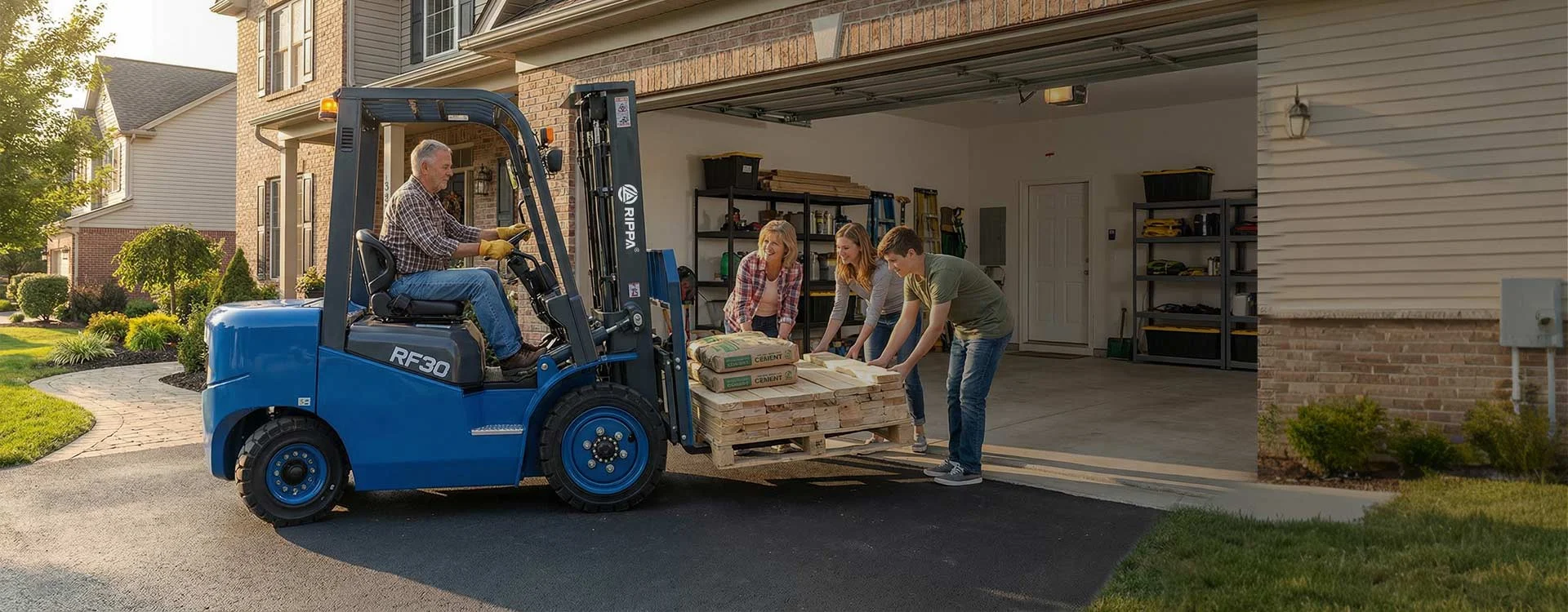
Forklifts should be considered when customers have genuine pallet-handling or warehouse requirements.
Potential applications include:
Potential customers may include:
Forklifts broaden the customer base but do not need to become the center of an koparka-focused equipment business.
Core:
Expansion:
Core:
Expansion:
Core:
Expansion:
Core:
Expansion:
Core:
The product mix should follow the customer, not a fixed template.
Every additional machine category creates more responsibility.
The dealer may need:
A dealer that sells a smaller range well may create stronger customer trust than one offering many products with weak support.
A compact equipment business might develop in stages.
Focus on:
Add:
Add according to demand:
Consider:
This allows the dealership to grow alongside customer demand.
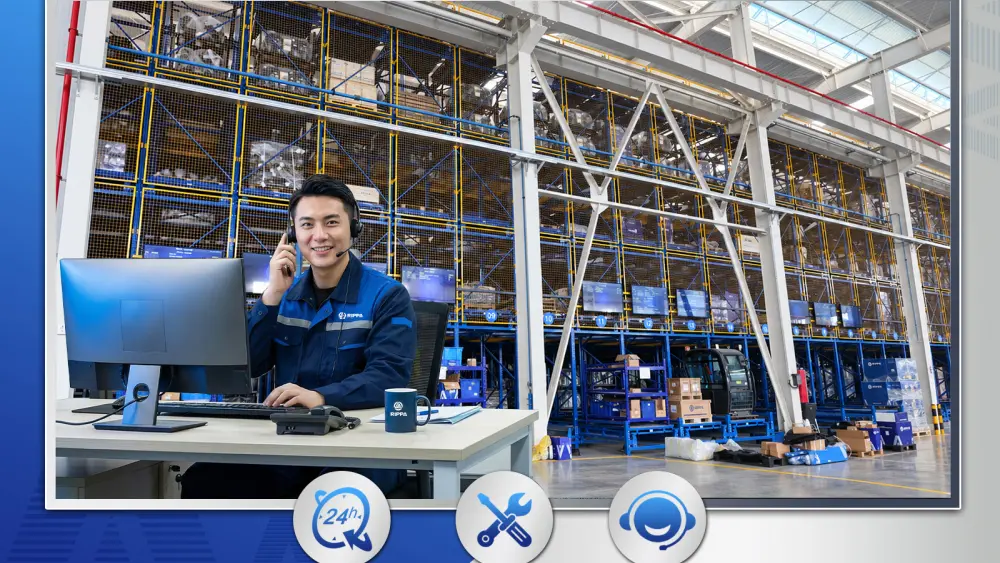
A machine sale creates future service requirements.
Dealers may need to help customers obtain:
A parts strategy helps protect both customer uptime and dealership reputation.
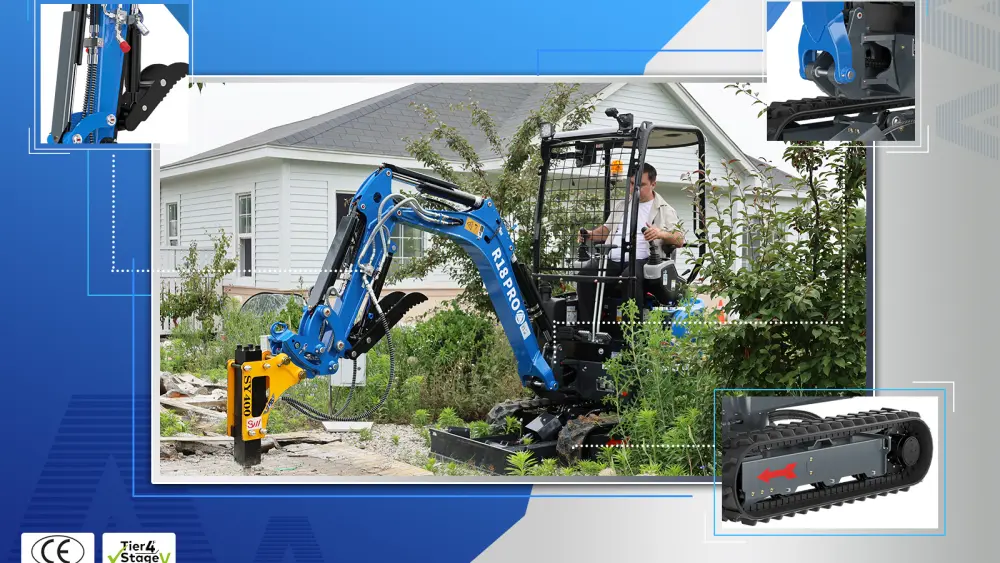
B2B customers may depend on equipment to generate revenue.
For example:
A contractor needs the machine for projects.
A rental company needs it available for customers.
A farm may need it during maintenance work.
When equipment is unavailable, the customer’s business may be affected.
Dealers should therefore consider:
before increasing machine sales.
A customer may begin with:
Mini excavator
Then purchase:
Załączniki
Later:
Another excavator or skid steer loader
Eventually:
Additional fleet equipment
This creates a longer customer lifecycle.
For dealers, the objective should not be to sell every machine immediately.
It is to stay useful as the customer’s business needs change.
B2B buyers should confirm current information regarding:
| Area | What to Confirm |
|---|---|
| Product range | Current equipment categories |
| Models | Current configurations |
| Applications | Suitability for target customers |
| Załączniki | Compatibility |
| Spare parts | Support process |
| Maintenance | Service information |
| Gwarancja | Current terms |
| Technical support | Assistance process |
| Documentation | Available information |
| Delivery | Logistics arrangements |
| Cooperation | Current dealer/reseller terms |
Commercial and technical details should be verified before making customer commitments.
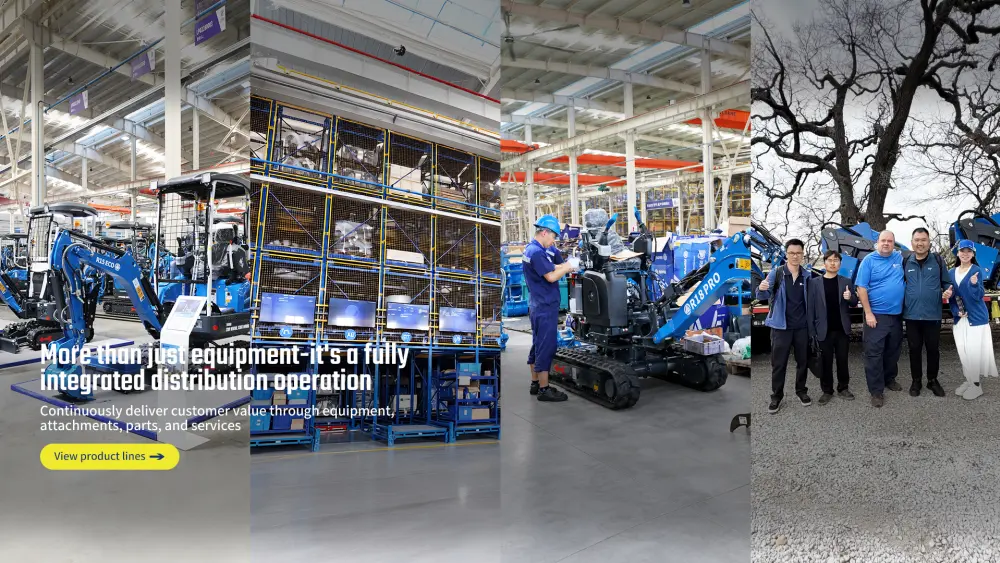
RIPPA equipment can be considered by businesses that want to build around compact excavation, loading, material movement, and handling applications, subject to current products and cooperation terms.
For dealers serving contractors, farms, landscapers, and rental businesses, mini excavators can remain the core product category.
Depending on customer demand, dealers may add attachments, skid steer loaders, compact wheel loaders, or forklifts.
No. Dealers should choose products according to customer demand and their ability to provide after-sales support.
They allow existing machines to support more applications and may create repeat sales.
Because equipment downtime can affect contractor projects, rental utilization, agricultural work, and customer satisfaction.
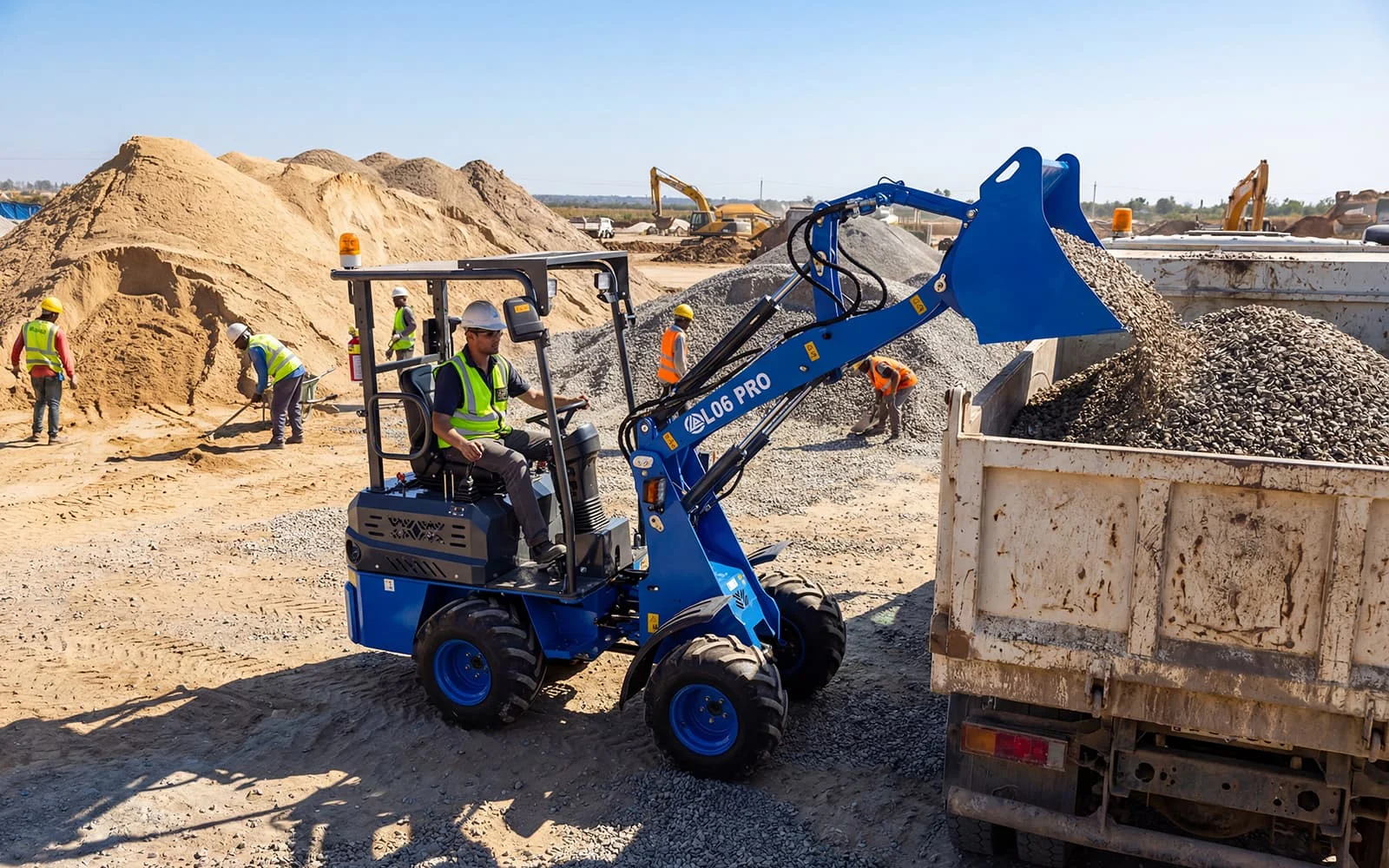
RIPPA can be considered as part of a compact equipment business strategy in which mini excavators remain the core product and other machines are added according to real customer demand.
A practical structure is:
Mini excavator → attachments → complementary loaders → additional material-handling equipment.
This allows dealers to develop product knowledge, parts support, after-sales processes, and customer relationships gradually.
For B2B equipment businesses, the strongest strategy is not to offer the largest possible catalog.
It is to understand what customers need to accomplish, recommend the appropriate equipment, support the machine after the sale, and expand the product relationship as the customer’s business grows.

Prawa autorskie: Shandong Rippa Machinery Group Co., Ltd.
Przedstawiciel prawny: Yan Huaiguo | Nr licencji: 913708000509206491
Adres: ul. Guangan 39, dzielnica Liuhang, Strefa Technologii Zaawansowanych, miasto Jining, prowincja Shandong

 Strona główna
 Produkty
 E-mail
 WhatsApp