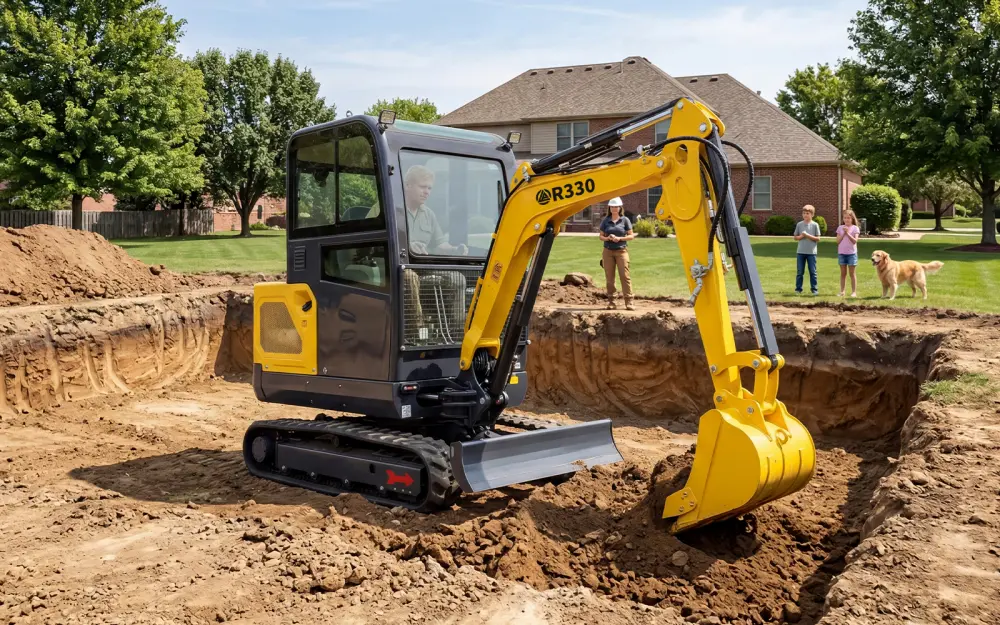
Mini excavators may remain the central category for dealers serving:
Contractors
Farms
Landscapers
Rental companies
Rural businesses
Fence contractors
Machinery resellers
They support applications such as:
Trenching
Drainage
Ditch cleaning
Fence preparation
Root removal
Tree planting
Hardscape preparation
Property maintenance
Because digging demand appears across several industries, mini excavators provide a strong foundation.
Skid Steer Loaders for Loading and Cleanup
Skid steer loaders can complement excavators.
They are useful for:
Moving soil
Handling gravel
Job-site cleanup
Surface grading
Moving debris
Landscaping support
Farmyard work
Attachment-based applications
On a typical project:
The excavator digs.
The skid steer moves material.
This makes the two machines a practical product pair.
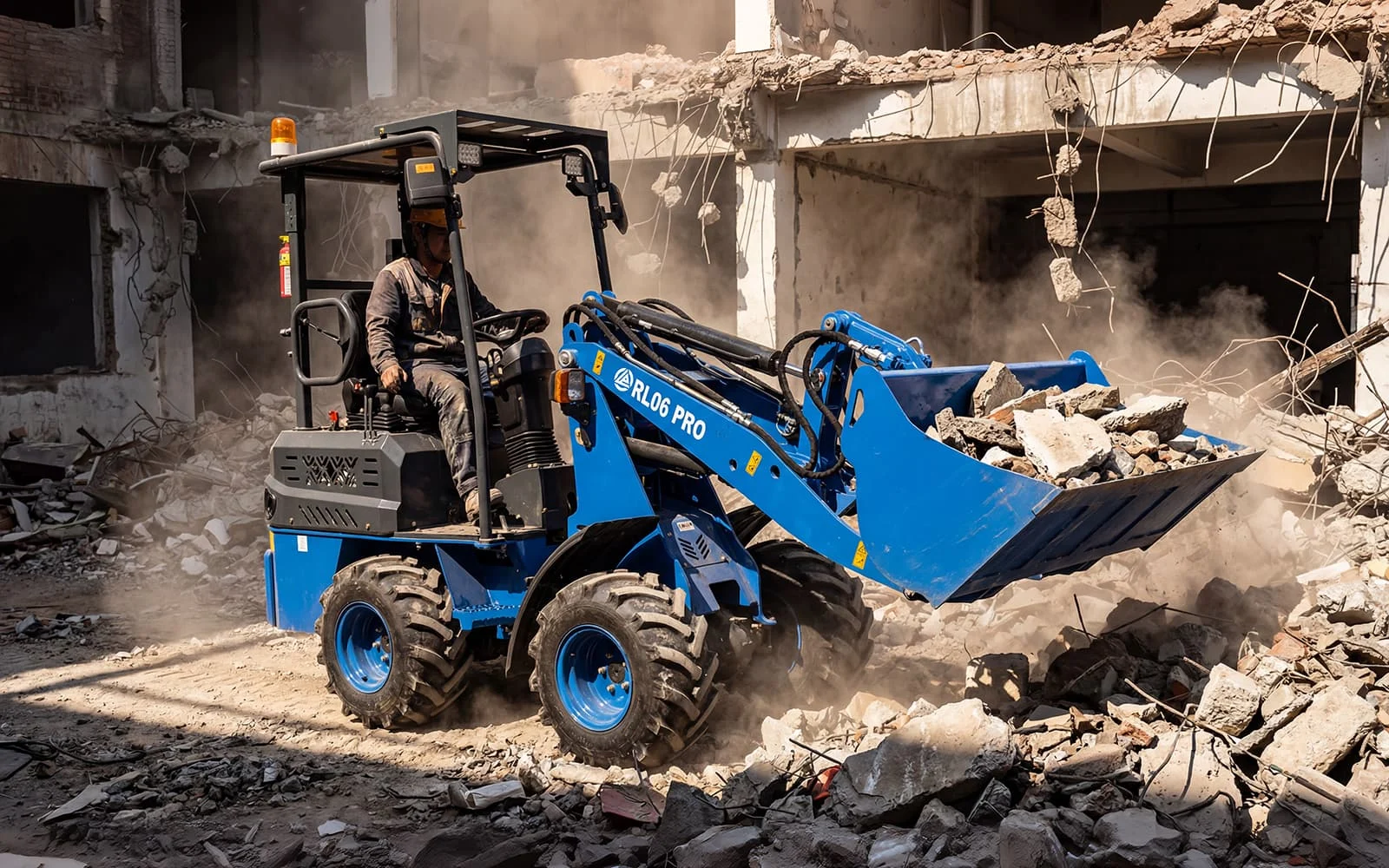
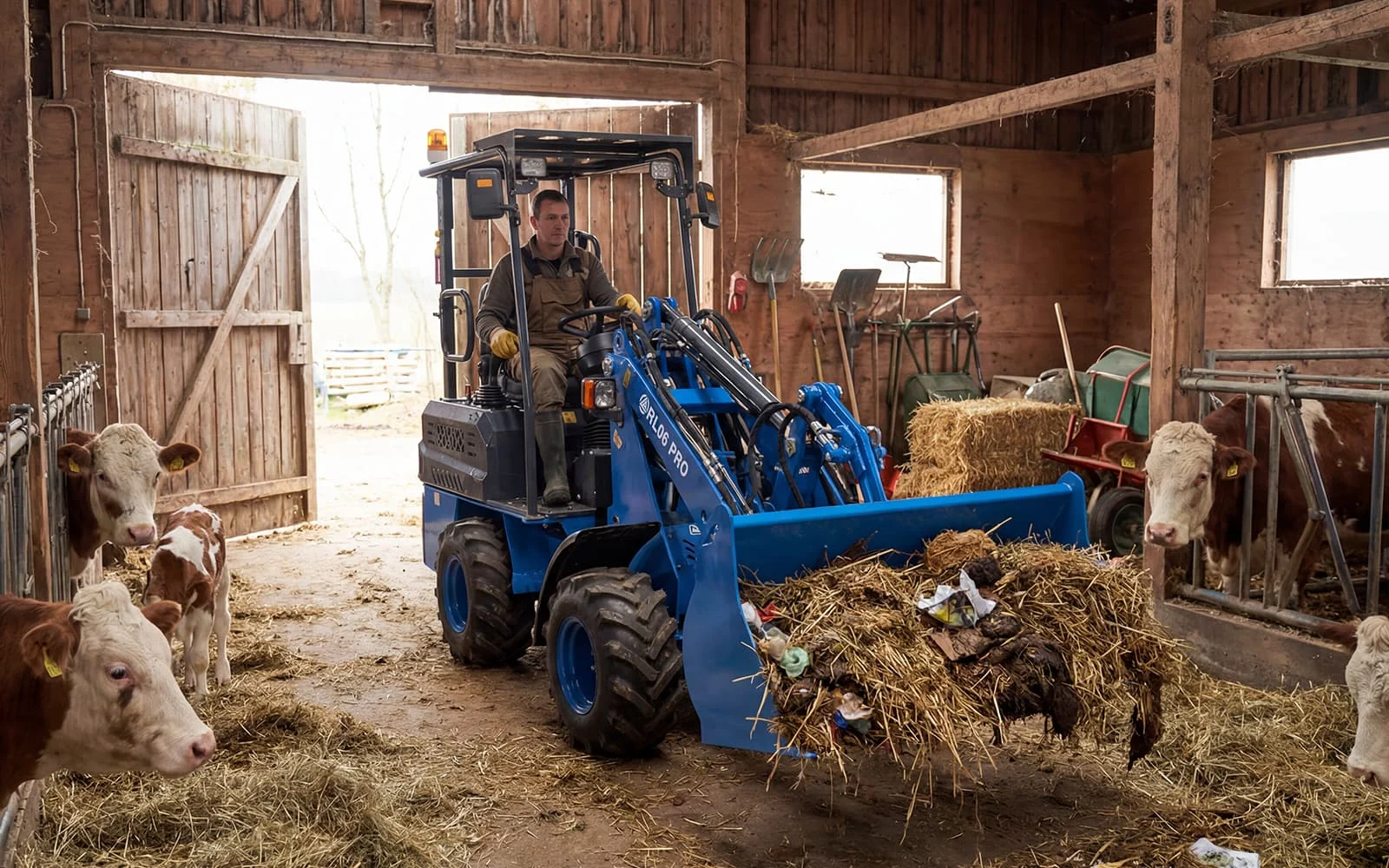
Compact Wheel Loaders for Loose Materials
Compact wheel loaders are useful for customers that frequently handle loose materials.
Potential customers include:
Farms
Landscaping supply yards
Material yards
Contractors
Rental companies
Construction supply businesses
Typical materials include:
Soil
Gravel
Sand
Mulch
Other loose materials
Wheel loaders should be positioned around material movement rather than excavation.
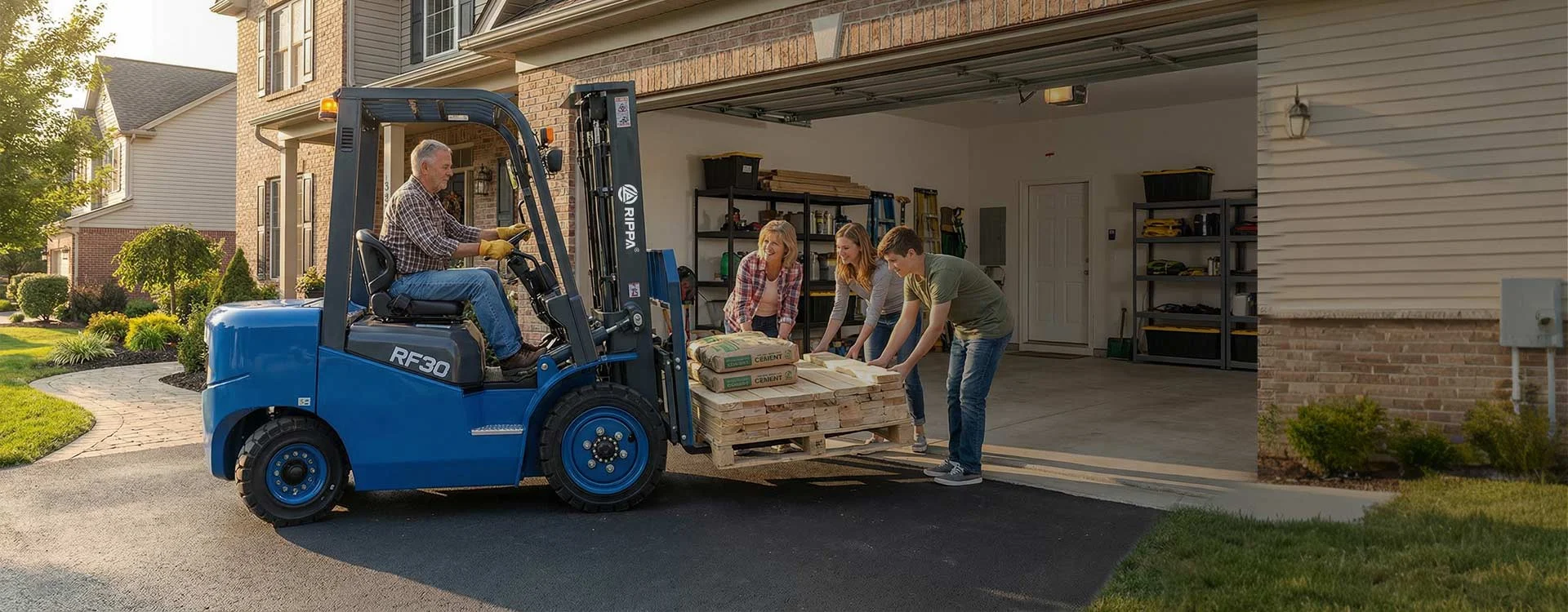
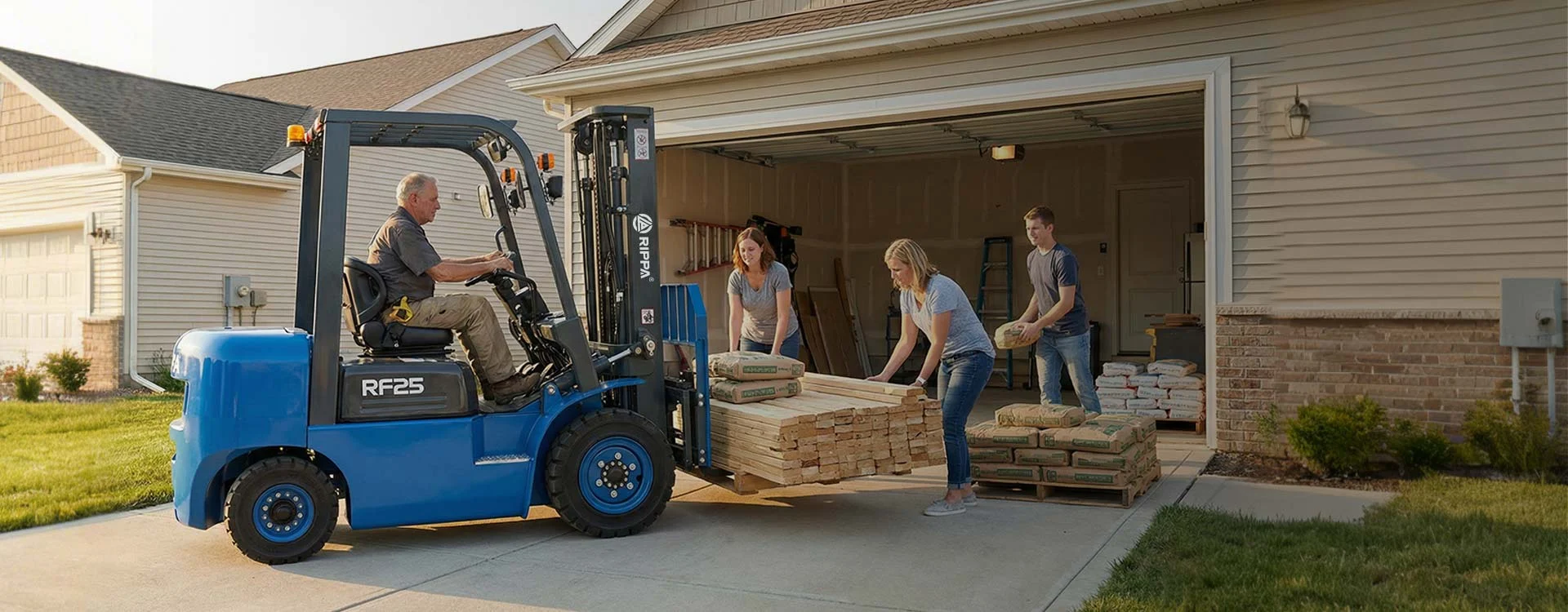
Forklifts for Pallet Handling
Forklifts expand the product line into a different type of work.
Potential customers include:
Warehouses
Farms
Building material businesses
Parts warehouses
Equipment dealerships
Rental companies
Logistics businesses
Common applications include:
Loading pallets
Unloading trucks
Stacking
Warehouse organization
Moving packaged materials
Forklifts do not replace excavators or loaders. They serve material handling needs.
Attachments Can Increase the Value of Existing Machines
Before adding another machine category, dealers may sometimes increase customer value through attachments.
Possible attachment directions include:
Digging buckets
Grading buckets
Augers
Hydraulic thumbs
Grapples
Rakes
Breakers
Forks
Brooms
Quick couplers
Attachments allow one machine to serve more applications.
They can also create repeat business after the original machine sale.
Build the Product Line by Customer Segment
Different dealer types may need different product mixes.
Contractor-Focused Dealer
Possible product mix:
Mini excavators
Skid steer loaders
Attachments
Farm-Focused Dealer
Possible product mix:
Mini excavators
Compact wheel loaders
Skid steer loaders
Forklifts where suitable
Landscaping-Focused Dealer
Possible product mix:
Mini excavators
Skid steer loaders
Compact wheel loaders
Attachments
Rental-Focused Dealer
Possible product mix:
Mini excavators
Skid steer loaders
Compact wheel loaders
Forklifts
Attachments
Material Handling-Focused Dealer
Possible product mix:
Forklifts
Compact wheel loaders
The correct mix depends on actual customer demand.
Do Not Expand Too Quickly
More products create more responsibility.
Every category may require:
Spare parts
Maintenance knowledge
Warranty procedures
Technician training
Documentation
Storage
Delivery planning
Technical support
A smaller product line that is well supported may be stronger than a large catalog with weak after-sales capability.
Dealers should expand when:
Customer demand is clear
Parts support is available
Service processes are understood
Inventory can turn
Technical support is available
The customer base justifies the category
Why Cross-Selling Matters
A balanced product line allows dealers to develop accounts over time.
A contractor may start with a mini excavator and later buy a skid steer.
A farm may start with an excavator and later add a compact wheel loader.
A material yard may buy a wheel loader and later need a forklift.
A rental company may expand across several categories.
The dealer does not need to sell everything immediately. The goal is to grow with the customer.
What Dealers Should Confirm Before Expanding
Before adding equipment categories, dealers should confirm:
Area
What to Confirm
Product range
Current models and availability
Applications
Suitable customer use
Attachments
Compatibility
Parts
Spare parts support
Maintenance
Service requirements
Warranty
Current policy
Technical support
Assistance process
Delivery
Logistics arrangements
Documentation
Product and operating information
Cooperation
Dealer or reseller terms
These details help reduce problems after the sale.
How RIPPA Compact Equipment Can Fit a Dealer Product Line
RIPPA compact equipment can be considered by dealers that want to serve construction, agriculture, landscaping, rental, rural business, and material handling customers.
Potential product roles include:
Mini excavators for digging and trenching
Skid steer loaders for loading and cleanup
Compact wheel loaders for loose-material movement
Forklifts for pallet handling
Attachments for broader applications
For many dealers, mini excavators can remain the core category while other machines support additional customer needs.
Frequently Asked Questions
What compact equipment should dealers consider?
Dealers may consider mini excavators, skid steer loaders, compact wheel loaders, forklifts, and attachments depending on customer demand.
Which product should dealers focus on first?
For dealers serving contractors, farms, landscapers, and rental companies, mini excavators can be a strong starting category.
Why add skid steer loaders?
They support loading, grading, cleanup, and material movement.
Why add compact wheel loaders?
They help serve customers that frequently move loose materials.
Why add forklifts?
Forklifts allow dealers to serve pallet-handling, warehouse, supply-yard, and logistics customers.
Should every dealer offer every category?
No. The product mix should match local demand, service capability, parts support, and business strategy.
Conclusion
A balanced compact equipment product line should be built around customer needs rather than product quantity.
Mini excavators can remain the core digging product. Skid steer loaders support loading and cleanup. Compact wheel loaders support loose-material movement. Forklifts support pallet handling. Attachments increase application flexibility.
For dealers, the strongest strategy is to start with real customer demand, support each category properly, and expand the product line as customer relationships grow.


 Home
Home
 Products
 Email
Email
 WhatsApp