aug 31, 2026
For machinery dealers, rental companies, farm equipment businesses, landscape equipment dealers, trailer dealers, and local equipment resellers, choosing the right product line is one of the most important business decisions. A strong product line should not only include machines that look popular. It should include machines that match real customer needs, create repeat sales opportunities, and can be supported over time.
Compact equipment is a strong category because it serves many industries. Contractors need machines for trenching, loading, cleanup, and site preparation. Farms need machines for drainage, material movement, yard maintenance, and handling supplies. Landscaping businesses need equipment for grading, planting, hardscape preparation, and property renovation. Warehouses and material yards need machines for lifting, loading, and organizing goods. Rental companies need machines that customers will use frequently across different jobs.
A balanced compact equipment product line may include mini excavators, skid steer loaders, compact wheel loaders, forklifts, and attachments. Each machine plays a different role. Together, they can help dealers and rental companies serve more customers and build stronger long-term value.
RIPPA compact equipment can be considered by B2B customers who want to expand their machinery business with practical equipment for digging, loading, material handling, rental fleets, farm work, landscaping, construction, and resale. Before purchase, resale, rental use, or promotion, buyers should confirm current product configuration, attachment compatibility, spare parts support, warranty policy, delivery arrangement, documentation, and cooperation terms through official RIPPA channels.
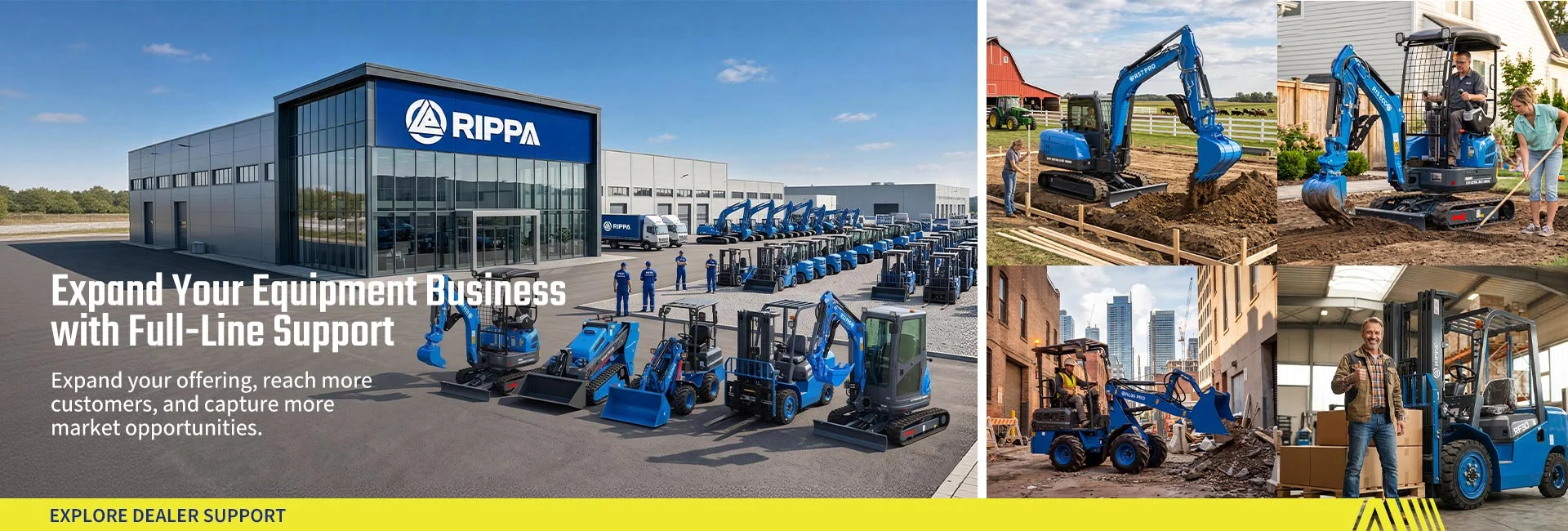
Compact equipment has become important because many customers do not always need large machines. They need practical machines that can work in smaller spaces, support common jobs, and solve daily business problems.
Typical customer needs include:
For dealers and rental companies, these needs create a wide customer base. One product line can serve contractors, farmers, landscapers, property owners, municipal users, warehouses, material yards, and small businesses.
The strongest compact equipment strategy is not to sell machines as isolated products. It is to match each product to a specific customer problem.
Some dealers make the mistake of adding too many products too quickly. A large product list may look impressive, but it can create confusion if the sales team, service team, and customers do not clearly understand each machine’s purpose.
A better approach is to start with customer demand.
Dealers and rental companies should ask:
A farm equipment dealer may begin with mini excavators because tractor customers often need drainage and ditch cleaning equipment. A landscape equipment dealer may begin with mini excavators and skid steer loaders because professional landscapers need digging, grading, and material movement. A material handling dealer may focus first on forklifts. A rental company may build a fleet around mini excavators, skid steer loaders, and attachments.
The right product line depends on the customer base.
Mini excavators are often one of the strongest starting points in a compact equipment product line. They serve many customer groups and solve clear work problems.
Mini excavators are commonly used for:
For dealers, mini excavators can be sold to contractors, farms, landscapers, rental companies, property owners, and small construction businesses. For rental companies, they can generate demand across many short-term projects.
Mini excavators are also useful because they create additional business beyond the machine sale. Customers may later need buckets, augers, thumbs, rakes, tracks, filters, spare parts, maintenance support, or another machine.
For many B2B customers, mini excavators should be treated as the core compact digging product.
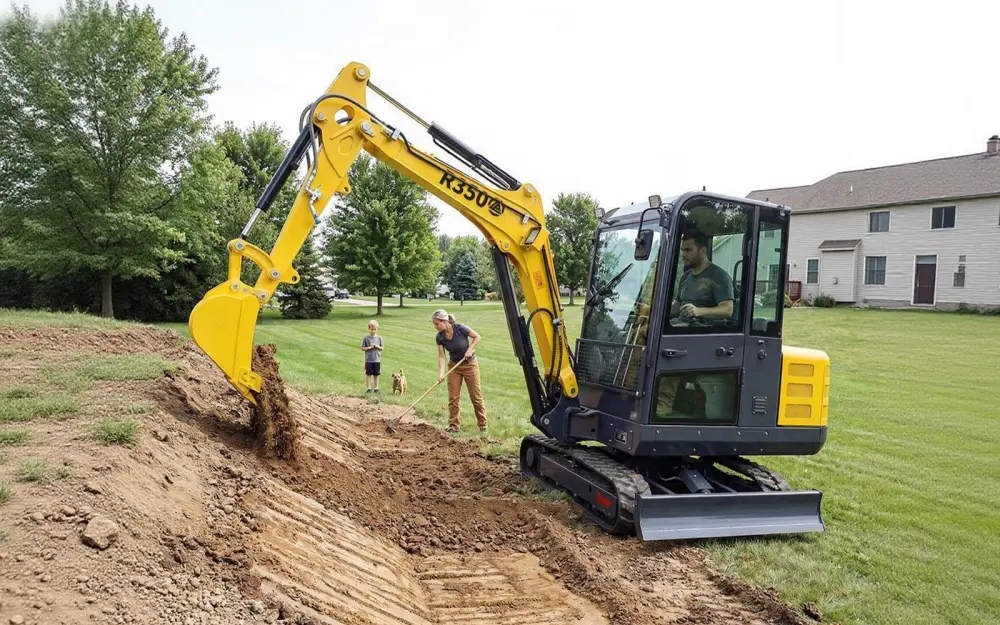
Skid steer loaders are another important compact equipment category. They are mainly used for loading, grading, cleanup, material movement, and attachment-based work.
Common skid steer loader applications include:
Skid steer loaders are not the same as mini excavators. A mini excavator is stronger for digging and trenching. A skid steer loader is stronger for loading, cleanup, grading, and moving materials.
For dealers, this difference is important. Customers should not be confused about which machine fits which job. A landscaper may need a mini excavator for drainage and a skid steer loader for moving mulch or cleaning the site. A contractor may use a mini excavator to dig and a skid steer loader to move the excavated material.
When positioned correctly, skid steer loaders can complement excavators and increase the value of a compact equipment product line.
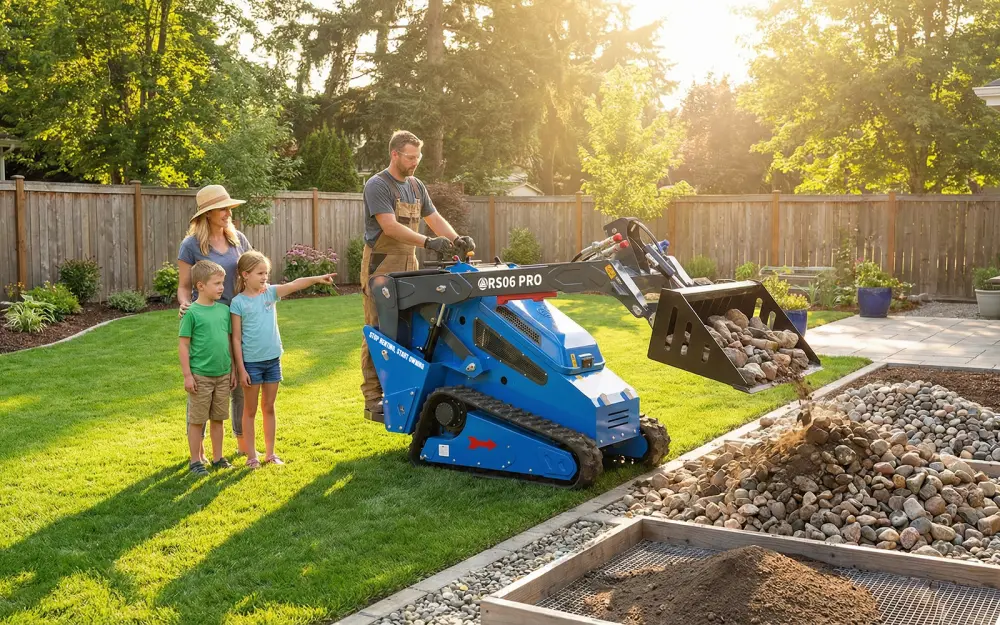
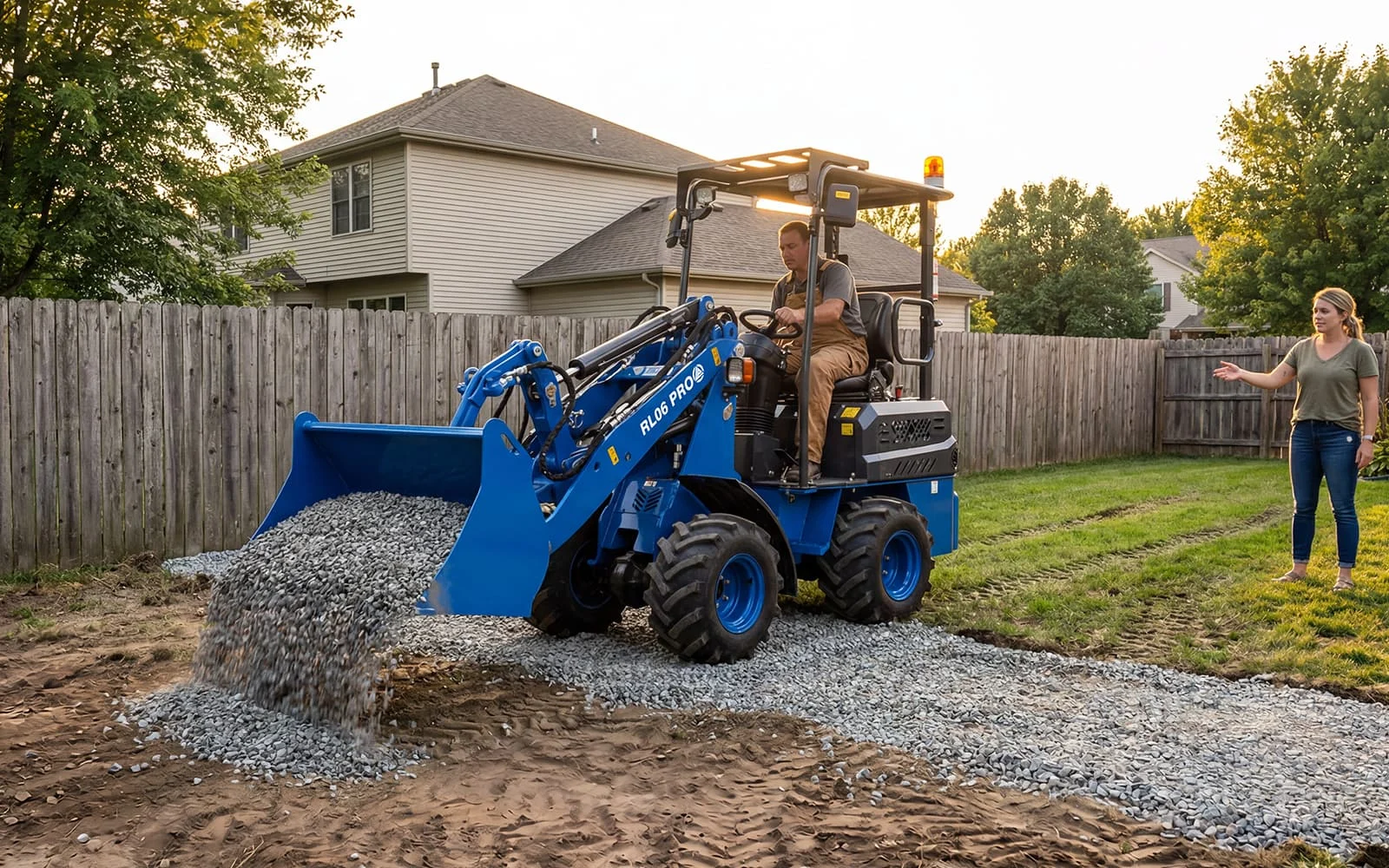
Compact wheel loaders are practical machines for customers who need to move loose materials efficiently. They are commonly used on farms, material yards, landscaping supply businesses, construction sites, and municipal maintenance areas.
Common compact wheel loader applications include:
Compact wheel loaders are especially useful when the customer’s main need is material movement. They do not replace excavators, because they are not primarily digging machines. They also do not replace forklifts, because forklifts are designed for lifting and moving palletized loads.
For a dealer or rental company, compact wheel loaders can fill an important role between excavation equipment and material handling equipment.
A customer who needs to move gravel, mulch, or soil every day may benefit from a compact wheel loader. A farm customer who needs to move loose materials around the property may also find it useful. A landscaping supply yard may use it to load customers more efficiently.
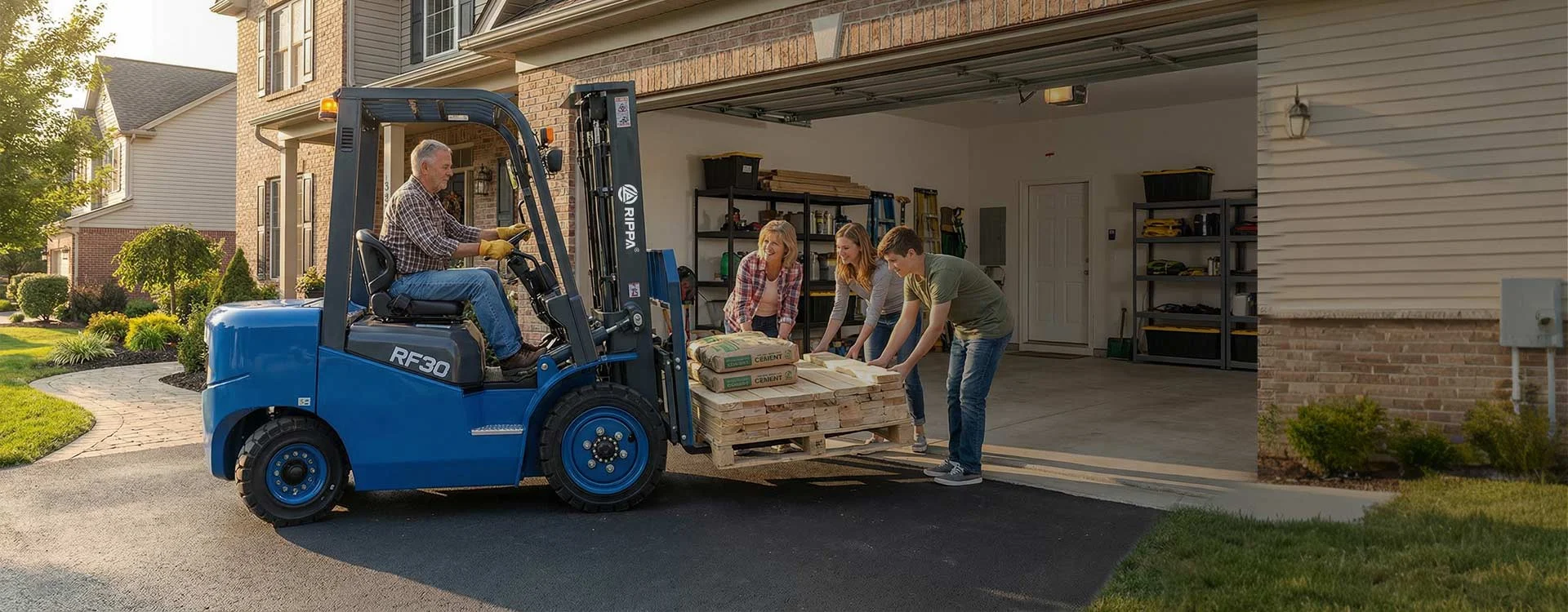
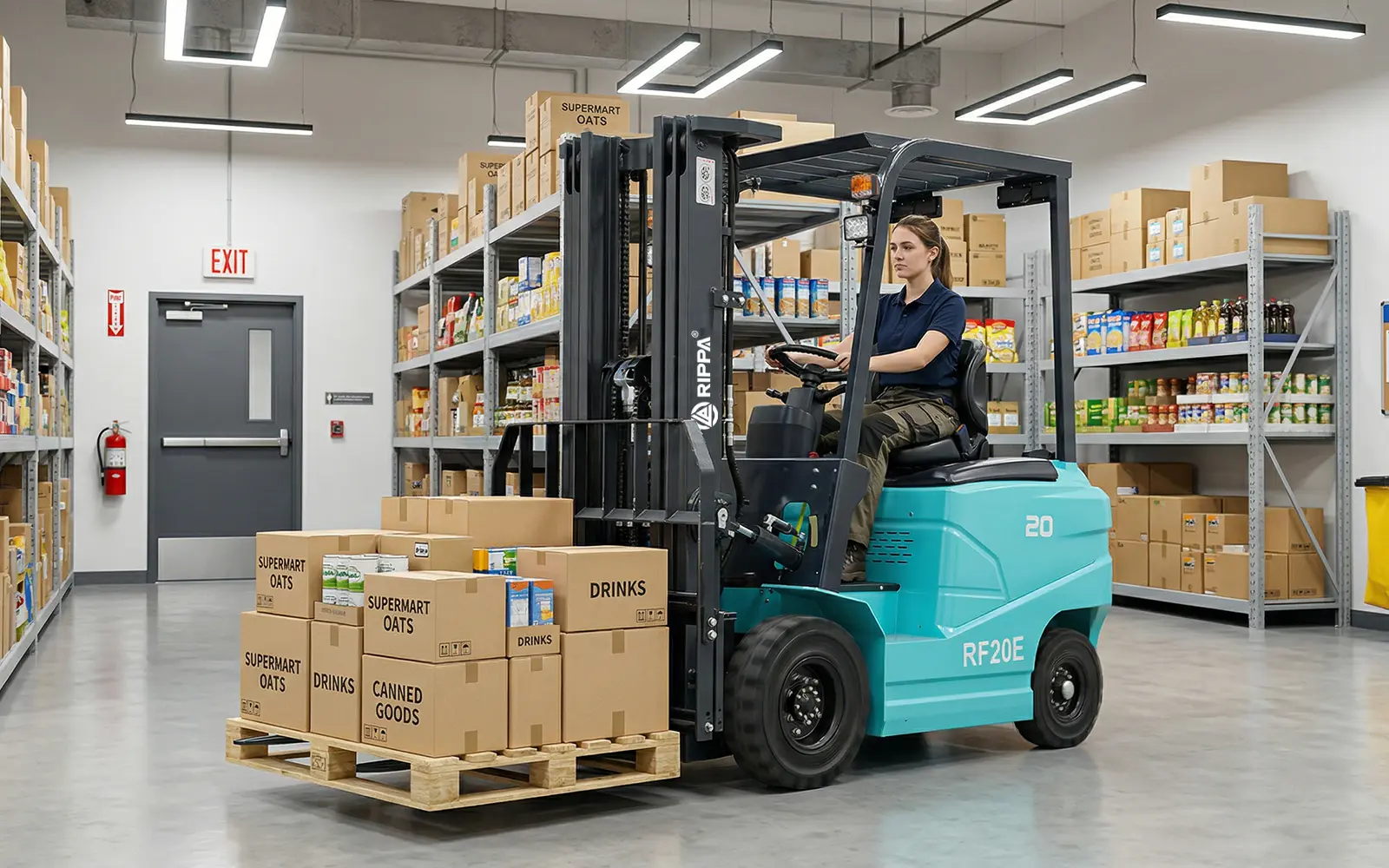
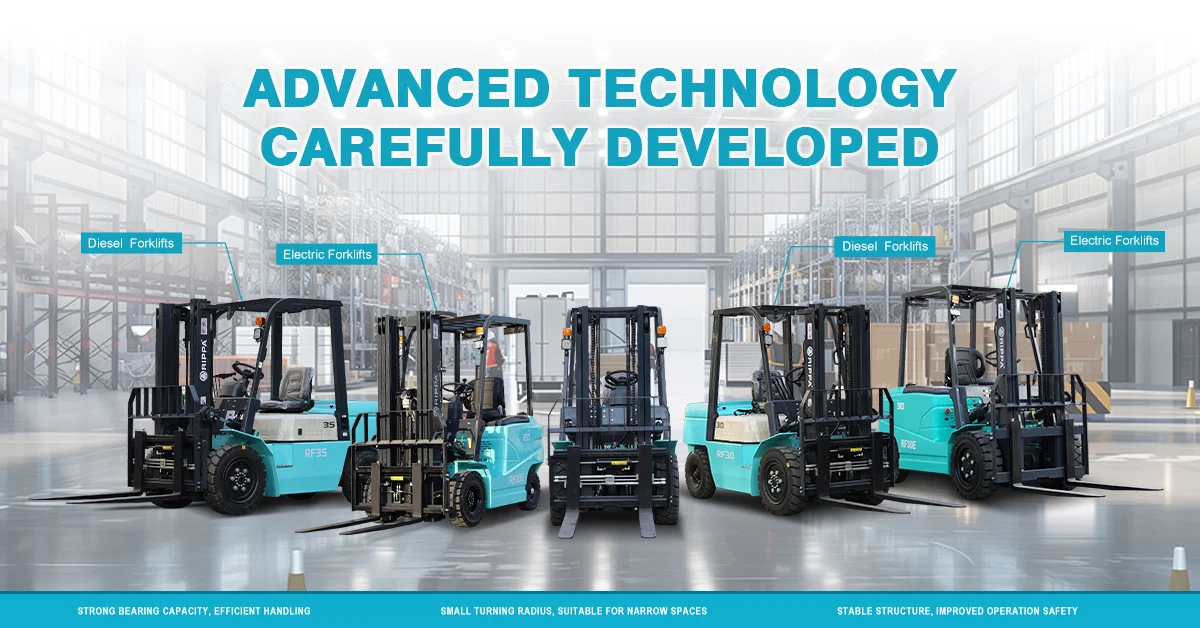
Forklifts serve a different part of the equipment market. They are not designed for digging or moving loose soil. They are designed for lifting, stacking, loading, unloading, and moving palletized or packaged materials.
Forklifts are commonly used in:
Forklifts can help customers:
For dealers, forklifts can create a broader B2B product category. A dealer that already serves construction or farm customers may also have customers who operate warehouses, yards, storage areas, or logistics businesses.
For rental companies, forklifts may serve temporary material handling needs during seasonal demand, warehouse projects, events, or short-term yard operations.
The key is to position forklifts separately from construction machines. Forklifts are material handling equipment, and the buyer’s main concerns will often include load capacity, lifting height, working environment, aisle space, power type, safety requirements, maintenance, and parts support.
Attachments can help dealers and rental companies increase the value of compact equipment. They allow one machine to support more applications and create more sales or rental opportunities.
Common attachment directions include:
Attachments can support project-based selling.
For example:
| Customer Need | Possible Product Direction |
|---|---|
| Drainage trenching | Mini excavator with digging bucket |
| Fence preparation | Mini excavator with compatible auger |
| Landscape cleanup | Skid steer loader with bucket or grapple |
| Farm material movement | Compact wheel loader with bucket |
| Pallet handling | Forklift or compatible forks where suitable |
| Rental project package | Machine plus application-specific attachment |
Attachment compatibility should always be confirmed according to the current machine model and official product information. Dealers should not assume that every attachment fits every machine.
A strong attachment strategy can increase order value, improve customer usefulness, and support repeat business.
Not every dealer should start with the same product. The best starting product depends on the dealer’s existing customer base.
Used equipment dealers may start with mini excavators because their customers often include contractors, landscapers, farmers, and property owners. New mini excavators can complement used equipment inventory and provide a repeatable product line.
Farm equipment dealers may start with mini excavators and compact wheel loaders. Mini excavators support drainage, fencing, ditch cleaning, and land maintenance. Wheel loaders support material movement and farmyard work.
Landscape dealers may start with mini excavators and skid steer loaders. Mini excavators support drainage, grading, planting, and hardscape preparation. Skid steer loaders support material movement, cleanup, and site preparation.
Trailer dealers may start with mini excavators because equipment trailer customers often overlap with contractors, landscapers, farmers, and machinery owners.
Material handling dealers may start with forklifts and later expand into compact wheel loaders or other yard equipment depending on customer demand.
Rental companies may build around mini excavators, skid steer loaders, attachments, forklifts, and wheel loaders depending on local rental demand.
The best strategy is to start focused, validate demand, and expand step by step.
Rental companies need machines that can serve frequent, short-term customer demand. A balanced compact equipment rental fleet may include different machines for different needs.
Mini excavators may serve:
Skid steer loaders may serve:
Compact wheel loaders may serve:
Forklifts may serve:
Attachments may serve:
For rental companies, uptime is critical. A machine that cannot work cannot generate rental income. This makes spare parts, maintenance planning, technical support, and warranty clarity important before adding any product to the fleet.
A dealer can attract customers with product variety, but long-term trust depends on support. If customers cannot get parts, warranty answers, or technical guidance, the dealer’s reputation may suffer.
Before building a compact equipment product line, dealers and rental companies should confirm:
| Support Area | Why It Matters |
|---|---|
| Current product configuration | Prevents inaccurate sales information |
| Spare parts support | Reduces downtime and protects trust |
| Warranty policy | Clarifies after-sales responsibility |
| Technical support | Helps solve issues faster |
| Attachment compatibility | Prevents wrong product recommendations |
| Documentation | Supports import, resale, and customer education |
| Delivery arrangement | Helps inventory and fleet planning |
| Training or marketing materials | Helps launch new categories |
| Cooperation terms | Defines dealer or reseller relationship |
A smaller product line with strong support is often better than a large product list with weak after-sales planning.
RIPPA compact equipment can be considered by dealers and rental companies that want to serve multiple customer groups with practical machines.
Potential product directions include:
Potential customer groups include:
Before promoting RIPPA machines, buyers should confirm current configuration, support terms, delivery arrangement, documentation, attachment compatibility, warranty policy, and dealer cooperation details.
A dealer should not expand faster than the team can sell and support. Start with the strongest customer need.
Low price may attract attention, but B2B customers also care about parts, support, warranty, documentation, and long-term reliability.
Excavators, skid steer loaders, wheel loaders, and forklifts solve different problems. Sales teams should understand these differences clearly.
Attachments can improve machine value and create additional sales opportunities. They should be part of the product strategy.
Parts, service, warranty, and technical support should be prepared before public promotion.
Dealers should create application-based content that matches customer searches, such as equipment for farm drainage, landscaping preparation, rental fleets, warehouse handling, or construction cleanup.
A practical launch plan may include:
This approach helps dealers reduce risk and build the product line based on real customer behavior.
Dealers should start with the product that best matches their customer base. Mini excavators are often a strong starting category because they serve contractors, farms, landscapers, rental companies, and property owners.
Mini excavators are often a core product for compact digging demand, but other machines also matter. Skid steer loaders support loading and cleanup, wheel loaders support material movement, and forklifts support pallet handling.
Yes. Rental companies may offer excavators, skid steer loaders, wheel loaders, forklifts, and attachments if local demand supports them.
Attachments expand machine applications, increase customer value, and create additional sales or rental opportunities.
No. Dealers should evaluate customer demand, parts support, warranty policy, technical support, delivery, documentation, and long-term supplier cooperation.
RIPPA compact equipment may support dealer and rental business growth, but current product configuration, support policy, warranty terms, delivery arrangement, documentation, and cooperation terms should be confirmed before promotion or purchase.
A strong compact equipment product line should be built around customer needs. Mini excavators support digging and trenching. Skid steer loaders support loading, cleanup, and job-site flexibility. Compact wheel loaders support loose material movement. Forklifts support pallet handling and warehouse operations. Attachments expand the value of each machine.
For dealers and rental companies, the goal is not simply to sell more products. The goal is to build a product structure that serves real customer problems, creates repeat business, and can be supported over time.
RIPPA compact equipment can be considered by B2B customers looking to expand into practical machinery for construction, agriculture, landscaping, rental fleets, material handling, and resale. Before purchase, promotion, or cooperation, all current product, support, warranty, delivery, documentation, attachment, and dealer terms should be confirmed through official RIPPA channels.

Copyright: Shandong Rippa Machinery Group Co., Ltd.
Legal Representative: Yan Huaiguo | License No.: 913708000509206491
Address: No. 39 Guangan Road, Liuhang Subdistrict, High-tech Zone, Jining City, Shandong Province

 Home
Home
 Products
 Email
Email
 WhatsApp