okt 02, 2026
The final quarter of the year gives equipment dealers an opportunity to review what customers actually purchased, what they asked for, and which product categories should receive more attention in the following year.
A compact equipment dealership may potentially offer:
However, the strongest product mix is not necessarily the one with the most categories.
A better product mix is one that matches real customer applications, local demand, dealer support capability, spare parts planning, and long-term B2B growth opportunities.
For dealers considering RIPPA compact equipment, Q4 can be used to evaluate which products should remain core categories and which products should be added gradually for 2027.
Before planning next year’s inventory, dealers should review:
This creates a stronger foundation than simply following industry trends.
Most dealers benefit from having one or two categories that define the business.
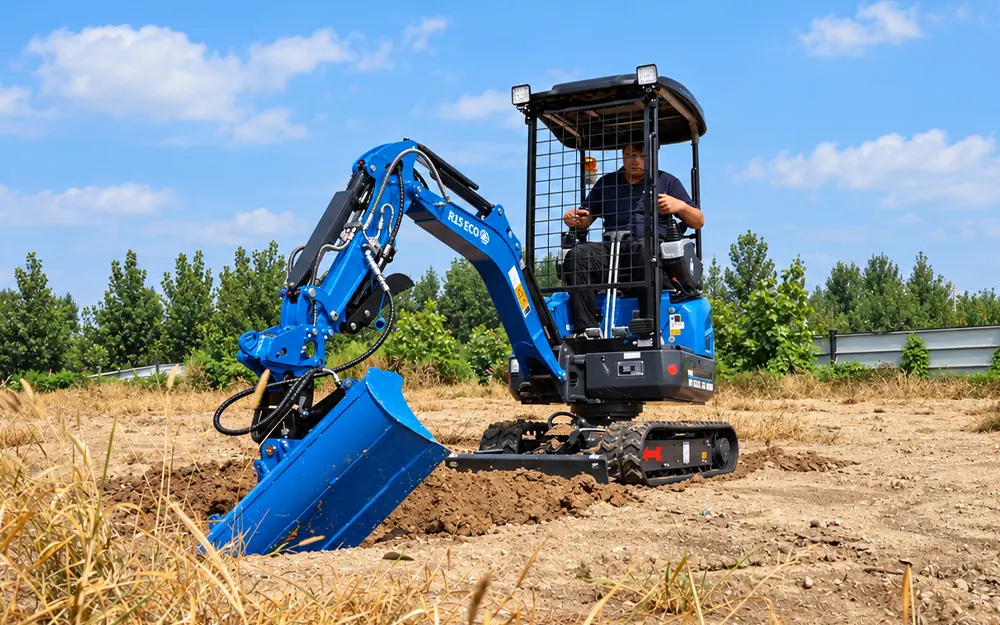
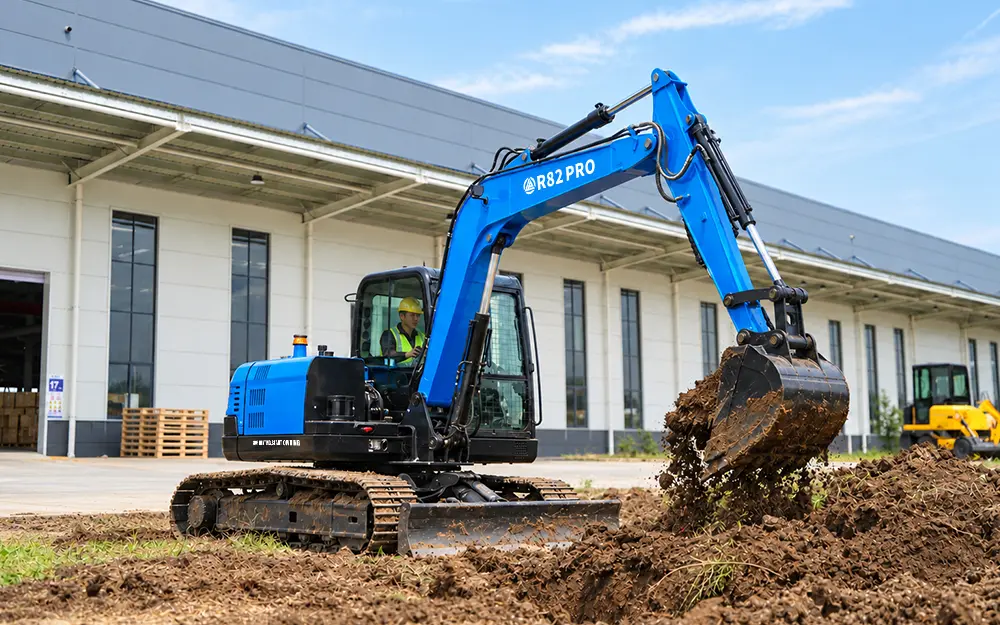
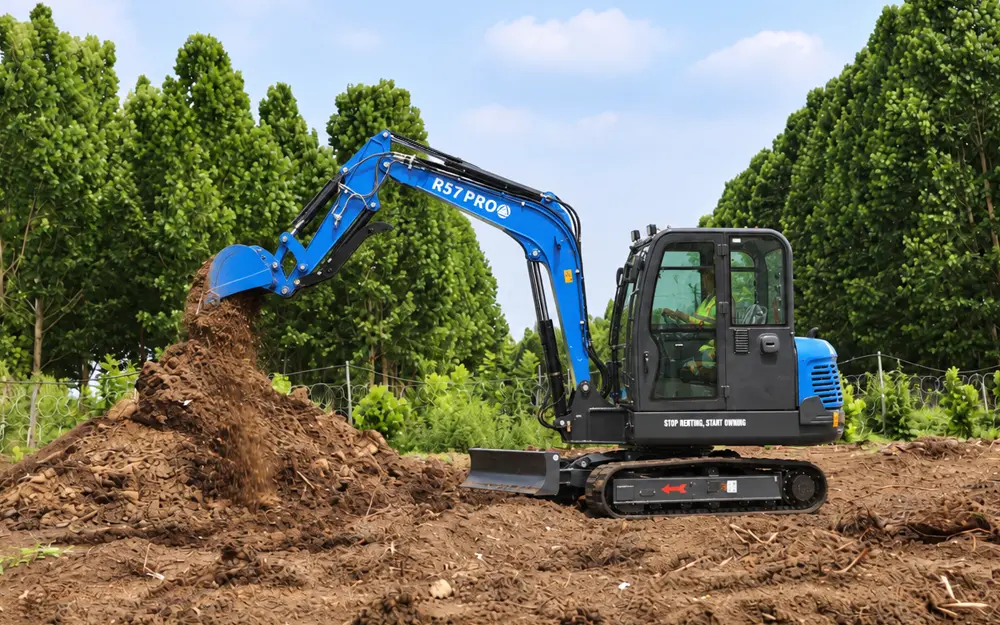
For dealers serving contractors, farms, landscapers, and rental companies, mini excavators may remain a strong core product because digging demand appears across several industries.
A core product should receive more attention in:
Supporting categories can then be added around it.
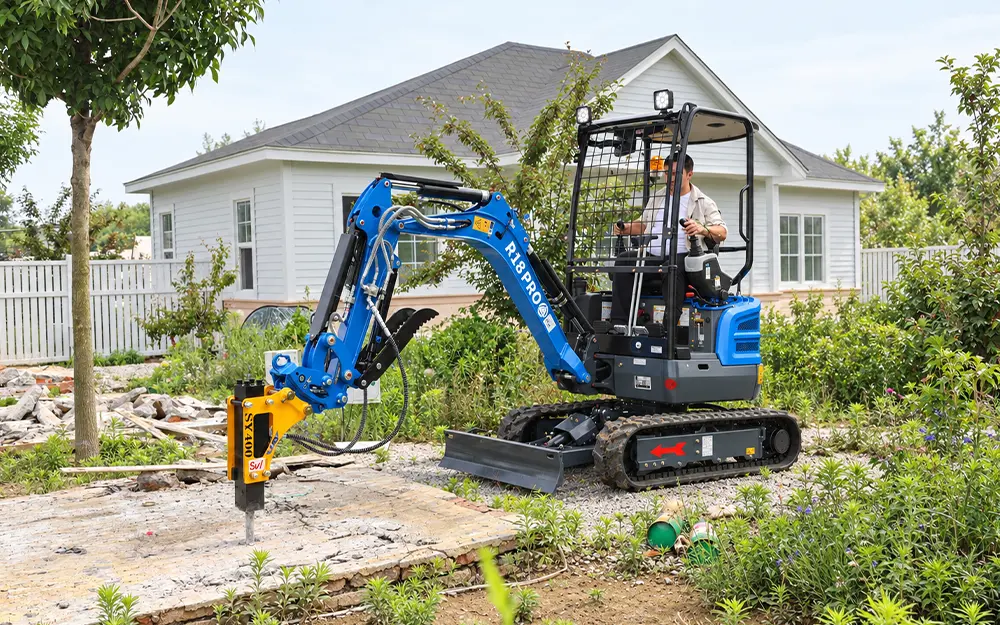
Mini excavators may remain central when customers frequently ask for:
Potential customers include:
If these groups represent a large portion of the dealer’s customer base, maintaining a strong graafmachine offering may make sense.
Skid steer loaders may deserve more attention if customers frequently need:
Contractors and landscaping businesses may use skid steer loaders alongside excavators.
Before increasing inventory, dealers should review:
Compact wheel loaders may be relevant when customers regularly move loose materials.
Applications may include:
Potential customers include:
Dealers should add this category when material-handling demand is strong enough to justify inventory.
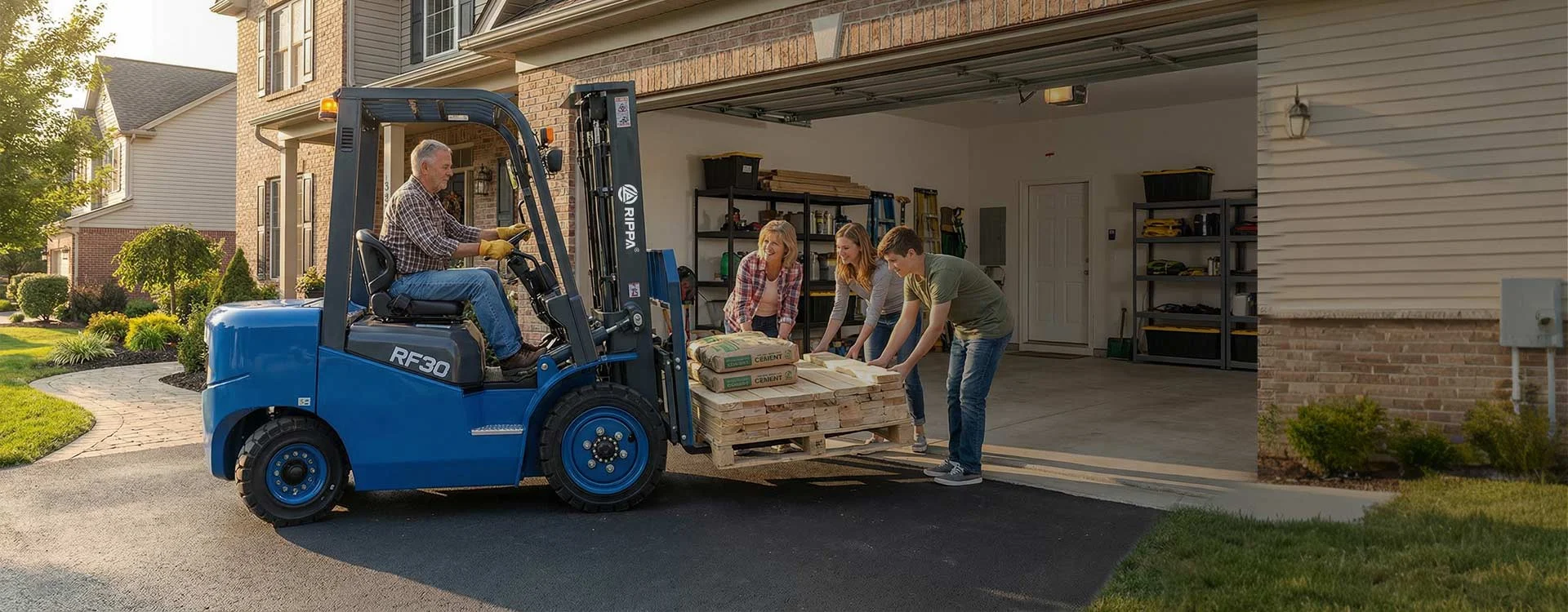
Forklifts serve a different customer group.
Potential applications include:
Potential customers include:
A construction equipment dealer should not add forklifts simply because they are another equipment category.
The decision should be based on real material-handling customers.
Possible priority:
Possible priority:
Possible priority:
Possible priority:
Possible priority:
The correct order depends on actual customer demand.
Not every product category deserves equal inventory investment.
A dealer may have:
In this case, equal investment across all three categories may be inefficient.
Inventory should reflect:
This reduces capital tied up in slow-moving products.
Dealers should review which customers asked for more than one machine type.
Examples:
Purchased:
Later requested:
Purchased:
Later requested:
Purchased:
Later requested:
These patterns can reveal which supporting categories deserve more focus.
Attachments should not be treated only as accessories.
They can become a meaningful part of dealer revenue.
Possible directions include:
Dealers should review which attachments:
Attachment inventory can sometimes produce better turnover than adding another machine category.
If dealers expect to sell more of a particular product in 2027, parts planning should increase accordingly.
Useful questions include:
Parts should be considered part of the product strategy.
Salespeople should understand:
For example:
Mini excavator: digging.
Skid steer loader: loading, grading, cleanup.
Compact wheel loader: loose-material movement.
Forklift: pallet handling.
This helps prevent poor product recommendations.
Dealer websites should reflect the product strategy.
If mini excavators remain the core product, content can include:
Supporting products can have their own application content.
This helps attract more specific B2B search traffic.
A product may receive inquiries but still produce few qualified B2B customers.
Dealers should ask:
More advertising is not always the solution.
Sometimes the product positioning needs improvement.
| Category | Demand | Dealer Support | 2027 Direction |
|---|---|---|---|
| Minigraafmachines | Review qualified B2B demand | Parts, attachments, technical knowledge | Core / expand where justified |
| Schrankladers | Review contractor and landscape demand | Attachments and service | Selective expansion |
| Compact wheel loaders | Review farm/material customers | Parts and product knowledge | Expand where loose-material demand exists |
| Heftrucks | Review warehouse/material-handling customers | Dedicated product knowledge | Add where real demand exists |
| Bijlagen | Review repeat purchases | Compatibility knowledge | Increase application-based sales |
The exact result will differ by dealer.
Before finalizing Q4 or 2027 purchasing, dealers should confirm current:
Plans should be based on current verified information.
They should review sales, qualified inquiries, customer applications, inventory turnover, attachment demand, parts requirements, and repeat-purchase opportunities.
They may remain a core category for dealers serving contractors, farms, landscapers, rental companies, and rural customers with regular digging needs.
Yes, when customers regularly need loading, grading, cleanup, and material movement.
No. Forklifts are most useful when the dealer has meaningful warehouse, logistics, farm, or pallet-handling customer demand.
Attachments can expand machine applications and create repeat revenue without requiring another power unit.
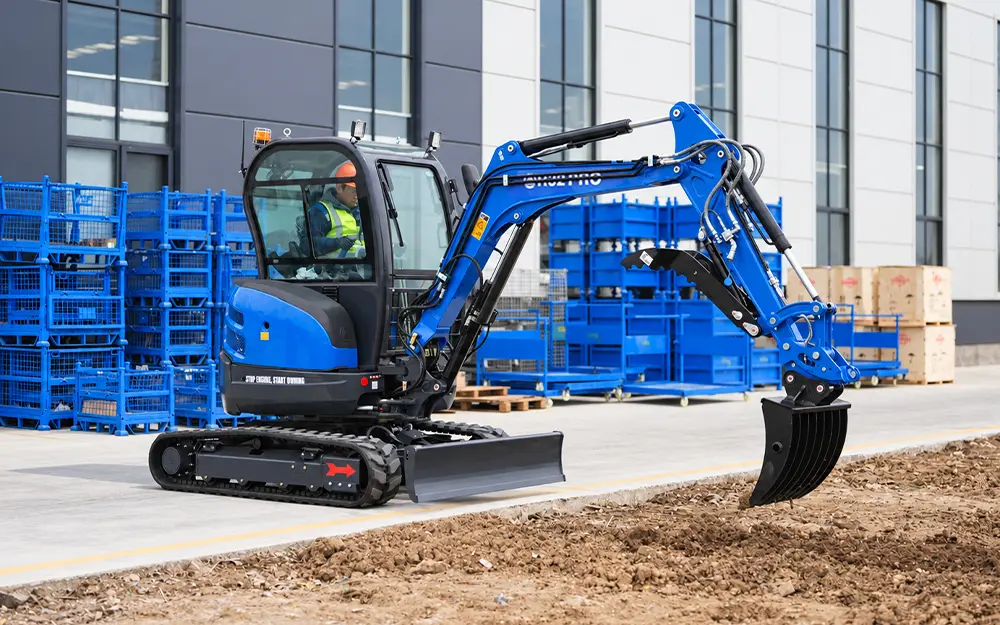
Q4 product planning should help equipment dealers enter 2027 with a clearer and more efficient product strategy.
The strongest approach is to identify:
For many compact equipment dealers, mini excavators can remain the core category, while skid steer loaders, compact wheel loaders, forklifts, and attachments are added according to real customer demand.
The objective is not to carry every machine.
It is to build a product mix where each category has a clear customer, a clear application, and a clear role in the dealer’s long-term B2B business.

Auteursrecht: Shandong Rippa Machinery Group Co., Ltd.
Wettelijke vertegenwoordiger: Yan Huaiguo | Vergunningnummer: 913708000509206491
Adres: Guangan Road nr. 39, wijk Liuhang, High-tech Zone, stad Jining, provincie Shandong

 Home
Home
 Producten
 E-mail
 WhatsApp