Set 17, 2026
Mini excavators can remain the core product for construction equipment dealers while other machinery categories help expand the customer base.
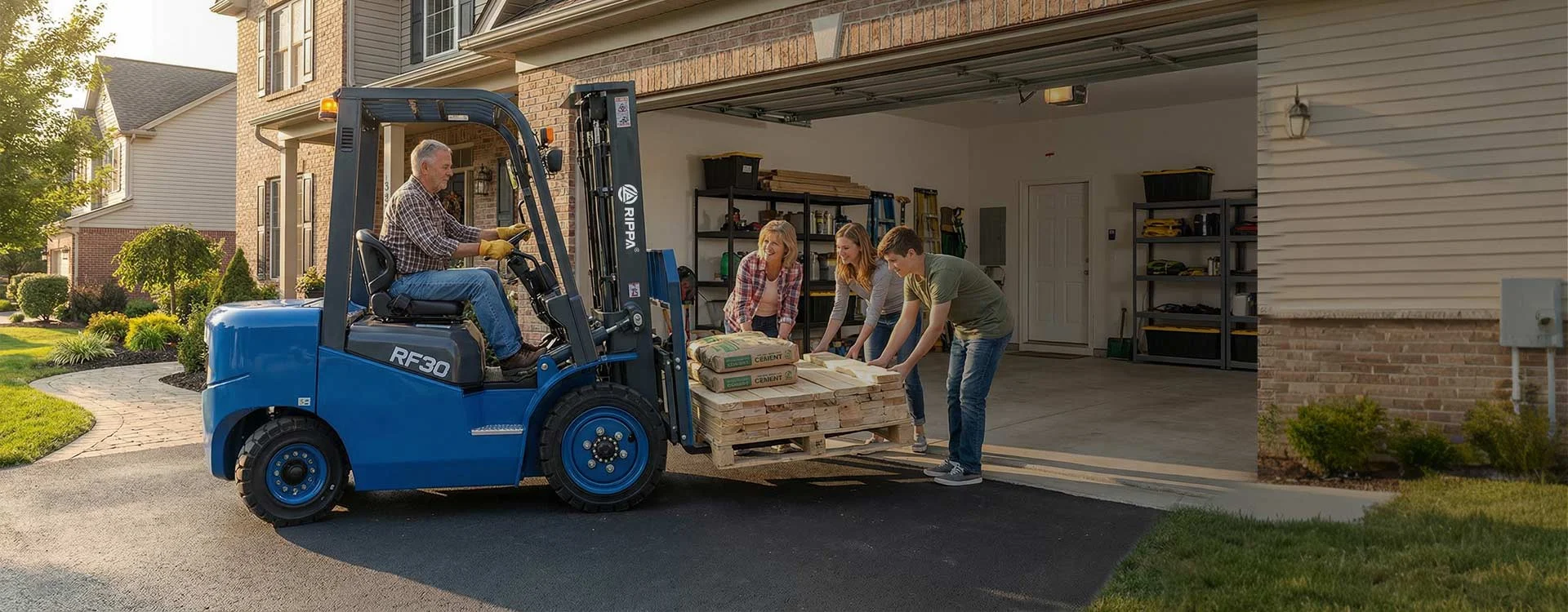
One useful supporting category is the forklift.
Mini excavators and forklifts serve completely different purposes. Mini excavators are designed for digging and trenching. Forklifts are designed for lifting and moving palletized materials.
Because the machines solve different problems, a dealer does not need to choose one instead of the other.
A more practical strategy is:
Use mini excavators as the core construction equipment product and use forklifts to expand into material handling customers.
This allows dealers to maintain their focus on excavation equipment while reaching warehouses, building material suppliers, farms, equipment yards, and logistics businesses.
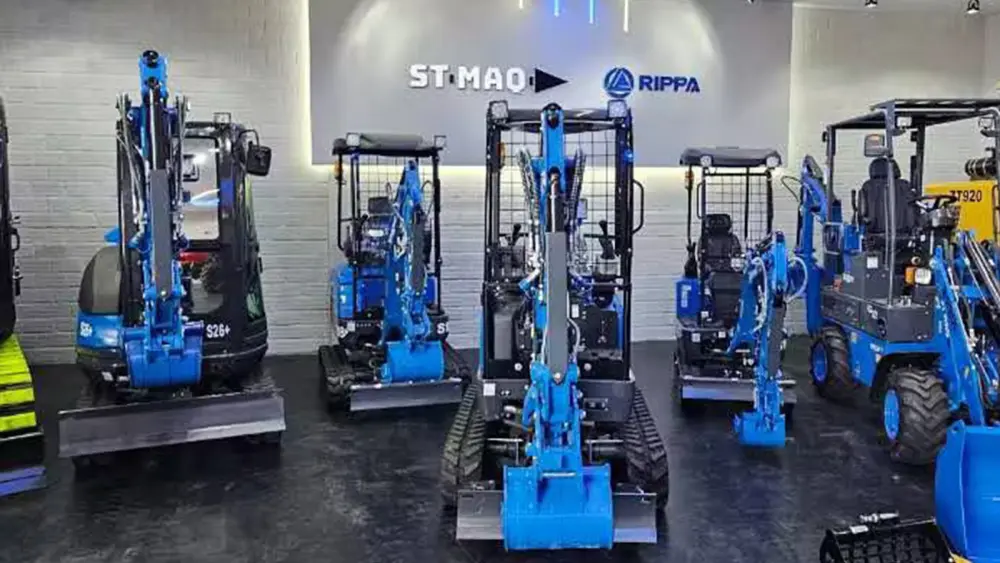
Mini excavators can remain the central product for customers such as:
Their main applications include:
This broad application base makes mini excavators suitable as a dealer’s core compact machinery category.
Forklifts can be added when dealers want to serve customers with material handling needs.
Typical applications include:
Potential customers include:
The forklift expands the product line without replacing the escavatore focus.
| Equipment | Primary Purpose |
|---|---|
| Mini escavatore | Scavi e trincee |
| Carrello elevatore | Pallet lifting and material handling |
Mini excavators may work on construction sites, farms, landscaping projects, and rural properties.
Forklifts may work in warehouses, yards, supply businesses, farms, and logistics operations.
The overlap comes from the customer, not the task.
For example, a farm may need both.
A building material business may operate loaders and forklifts.
A rental company may rent excavators and forklifts to completely different customers.
A dealer can increase customer value by solving more than one business problem.
A farm equipment customer may need:
A rental company may need:
The dealer remains focused on compact machinery while gradually expanding the available solutions.
Not every excavator buyer needs a forklift.
Dealers should introduce forklifts only when the customer has a real material handling application.
Useful questions include:
If the answer is no, the customer may not need a forklift.
This application-based approach is more useful than trying to sell every product category to every customer.
Dealers should confirm:
Forklift selection should be based on the actual load and operating environment.
A RIPPA-focused product strategy can keep mini excavators as the primary category while adding complementary products according to customer demand.
Potential structure:
This creates a clearer product structure than treating every category as equally important.
No. They serve different applications. Mini excavators can remain the core product while forklifts expand the dealer into material handling markets.
Farms, rental companies, material businesses, and some equipment dealers may need both categories for different tasks.
Forklifts can help dealers reach warehouses, supply businesses, logistics customers, farms, and material handling operations.
Its main role is digging, trenching, drainage, and compact excavation.
Its main role is lifting, stacking, loading, unloading, and moving palletized goods.
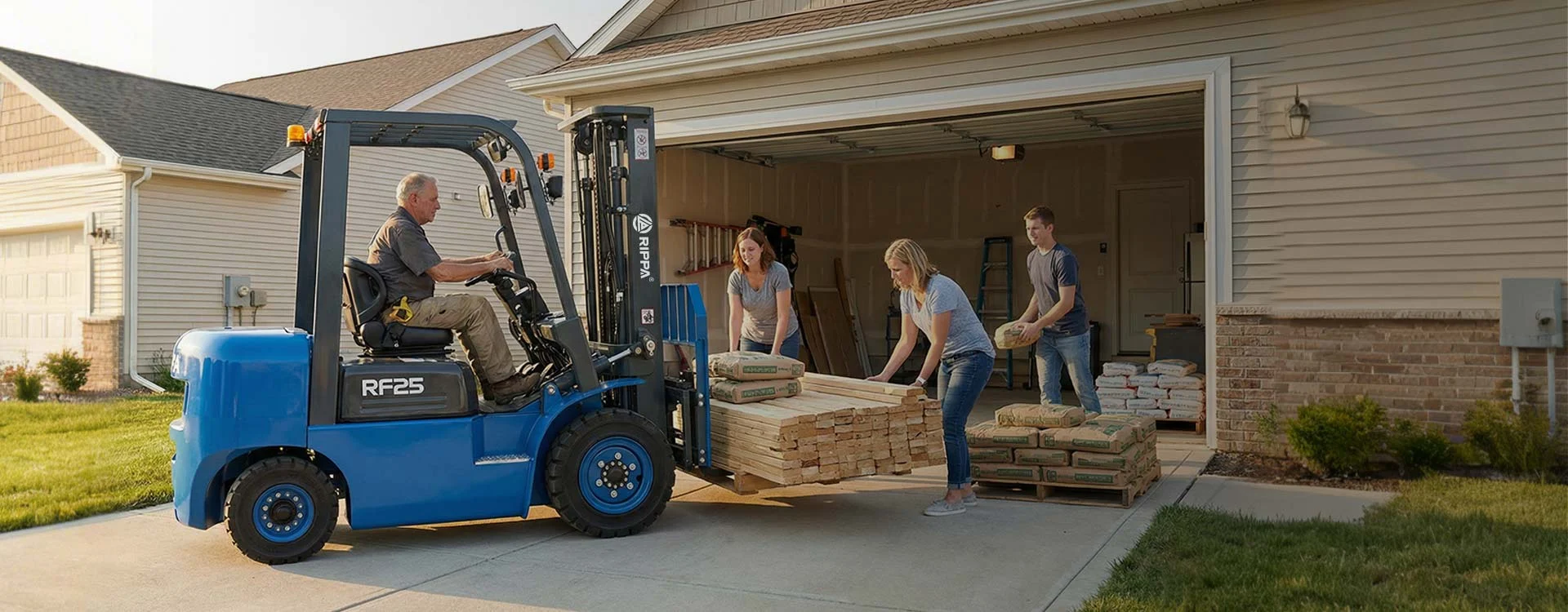
Forklifts can complement a mini excavator-led equipment product line without changing the dealer’s core focus.
Mini excavators continue to serve contractors, rental companies, farms, landscapers, and construction customers. Forklifts add access to warehouse, supply, logistics, and pallet-handling customers.
Per RIPPA dealers and resellers, the stronger structure is therefore not “excavator or forklift,” but excavator first, complementary equipment according to customer demand.

Copyright: Shandong Rippa Machinery Group Co., Ltd.
Rappresentante legale: Yan Huaiguo | N. di licenza: 913708000509206491
Indirizzo: n. 39, Guangan Road, sottodistretto di Liuhang, Zona High-tech, città di Jining, provincia dello Shandong

 Casa
Casa
 Prodotti
 Email
Email
 WhatsApp