Ott 09, 2026
Landscape equipment dealers have traditionally focused on products such as:
But professional landscaping businesses are increasingly capable of performing work beyond basic maintenance.
Their services may include:
As customer services expand, equipment needs expand with them.
For landscape equipment dealers, this creates an opportunity to develop a broader compact equipment business.
The key is not to add every machine available.
The better strategy is to identify which products solve the most common problems for existing customers.
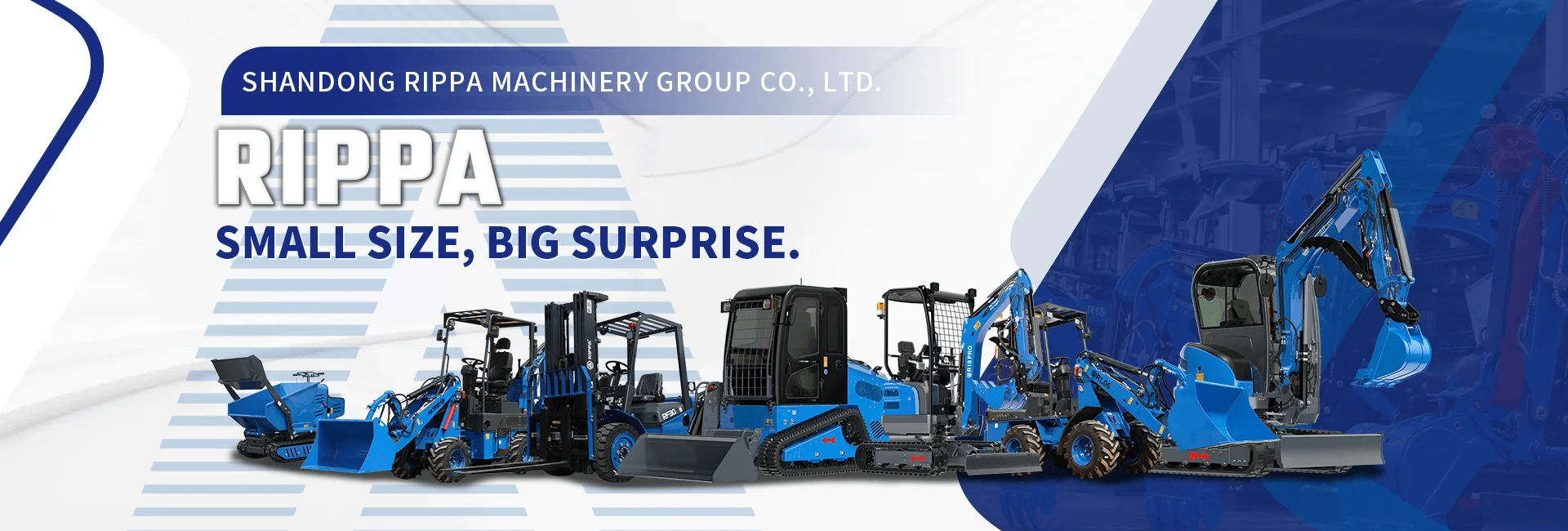
RIPPA’s current catalog includes mini excavators, skid steers, wheel loaders, forklifts, telescopic handlers, mini dumpers, and other equipment categories. For a landscaping-oriented dealership, however, the most relevant products should be selected according to real customer workflows.
A dealer should understand how a landscaping project develops.
A larger project may include:
Different machines serve different stages.
This gives the dealer a logical method for deciding which equipment to add.
For many landscape equipment dealers, mini excavators can be the strongest first machinery category.
They can support:
This product has strong overlap with professional landscaping customers.
For these reasons, mini excavators can form the core of a landscaping dealer’s compact equipment strategy.
Once customers can excavate, another problem often appears:
What do we do with the material?
Skid steers may support:
They complement excavators rather than replacing them.
Mini escavatore:
Skid steer:
A landscaping contractor performing larger projects may eventually need both.
Dealers should listen for customer comments such as:
These are signs that skid steer demand may exist.
The dealer should validate those signals before building inventory.
Compact wheel loaders may become relevant when customers regularly handle larger volumes of loose material.
Potential materials include:
They may be relevant to:
RIPPA’s current wheel-loader line includes several machine sizes, allowing different material-handling applications to be evaluated.
A landscape dealer should not automatically stock loaders, however. Demand should be demonstrated first.
Attachments are one of the most important categories for a landscape equipment dealership.
They can increase the capability of machines already sold.
Potential escavatore attachments include:
Potential loader or skid-steer attachments may include other application-specific tools where compatible.
Attachments can generate repeat business because customers may purchase them months after purchasing the machine.
Suppose a landscaping contractor asks:
“Can this escavatore do more than trenching?”
Before recommending a second power unit, the dealer should determine whether a compatible attachment solves the problem.
This may be more economical for the customer and easier for the dealer.
Product expansion should solve real problems rather than maximize unit count.
Some landscaping projects involve moving material through areas where larger machines cannot operate efficiently.
Depending on current available models and local applications, compact material transport equipment may be useful for:
RIPPA currently includes Mini Dump as a product category in its catalog.
Dealers should evaluate whether local landscape contractors actually request this capability before stocking it.
Not usually as the first expansion category.
Forklifts are primarily designed around:
However, certain landscape material yards or building-supply businesses may need forklifts.
If the dealership serves:
then forklift demand may become relevant.
The product should follow the customer base.
A practical progression may look like this.
Add:
Customers:
Add:
Purpose:
Add:
Customers:
Evaluate:
Customers:
Evaluate:
only where real customer demand exists.
This keeps business growth controlled.
Use four sources of evidence.
Ask what equipment they currently rent or own.
If customers frequently rent the same machine category, ownership demand may eventually develop.
Track products customers ask for that the dealership cannot supply.
Review how many:
operate in the territory.
Together, these signals produce a much stronger purchasing plan.
No.
The dealer can divide equipment into:
Products with:
Machines used to:
Less common:
This reduces capital pressure.
Potential direction:
Potential direction:
Potential direction:
Potential direction:
These should be viewed as application frameworks, not mandatory bundles.
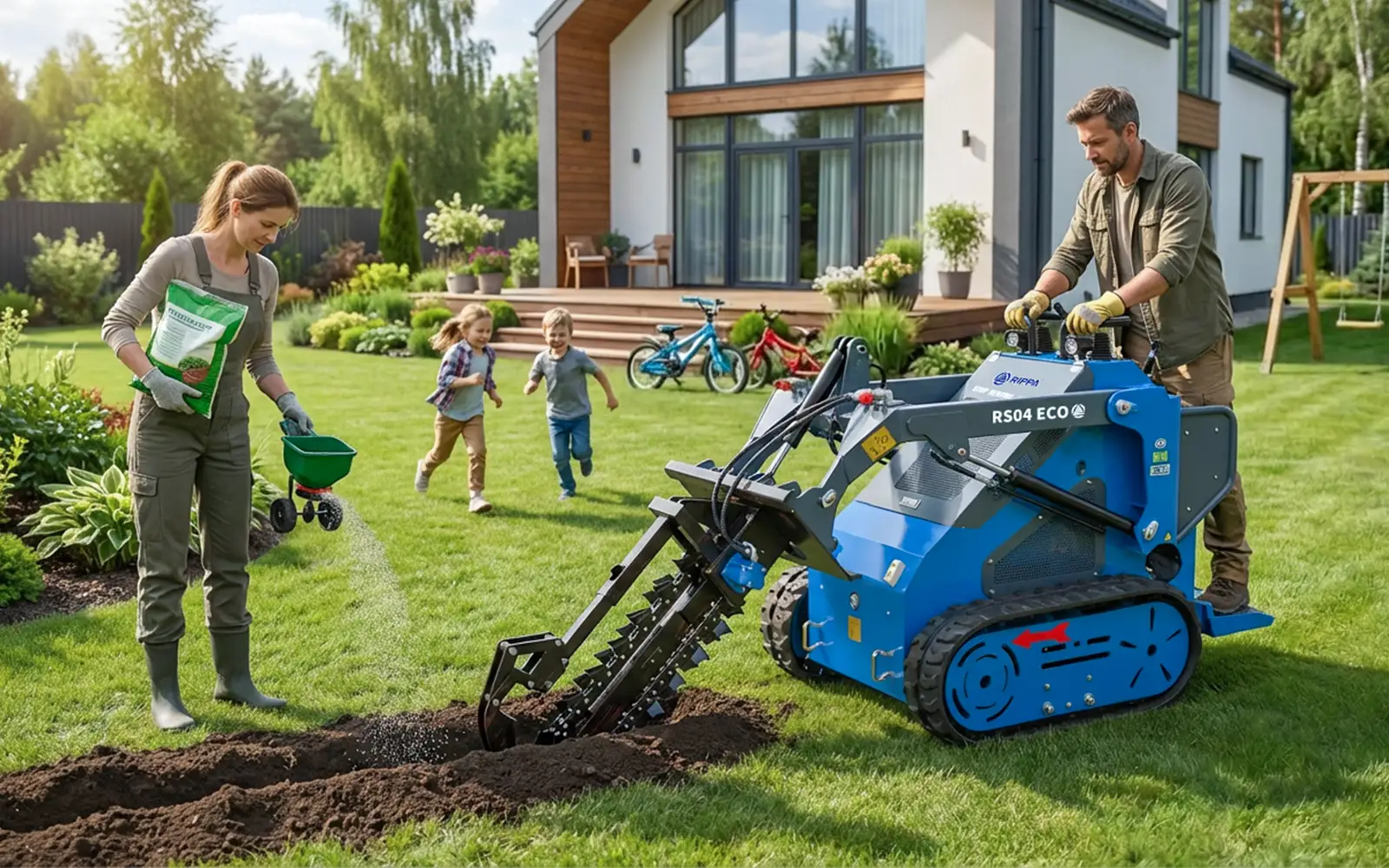
A sales team cannot sell compact equipment effectively by memorizing model names alone.
It needs to understand:
A simple framework helps:
| Esigenze del cliente | Equipment Direction |
|---|---|
| Digging / trenching | Mini excavator |
| Loading / grading / cleanup | Skid steer |
| Higher-volume loose material movement | Wheel loader |
| Pallet handling | Carrello elevatore |
| Specialized applications | Compatible attachments |
This makes the customer conversation easier.
A customer relationship may develop gradually.
Customer buys:
Adds:
Adds:
May eventually consider:
This is more sustainable than trying to sell several machines immediately.
Every new equipment category creates new support responsibilities.
If the dealer adds:
it also needs to understand:
This is why a controlled product expansion is important.
The dealership should not become broader faster than its support capability can grow.
Marketing should focus on customer solutions rather than catalog size.
Instead of:
“We sell excavators, skid steers, and loaders.”
consider:
“Compact equipment for professional landscaping, drainage, hardscape preparation, material movement, and property improvement.”
This makes the machinery relevant to the customer’s work.
Before expanding, confirm current:
RIPPA’s current catalog covers multiple machinery categories, and its dealer program describes sales and technical support for qualifying partners.
Each product category should still be evaluated independently for the dealer’s market.
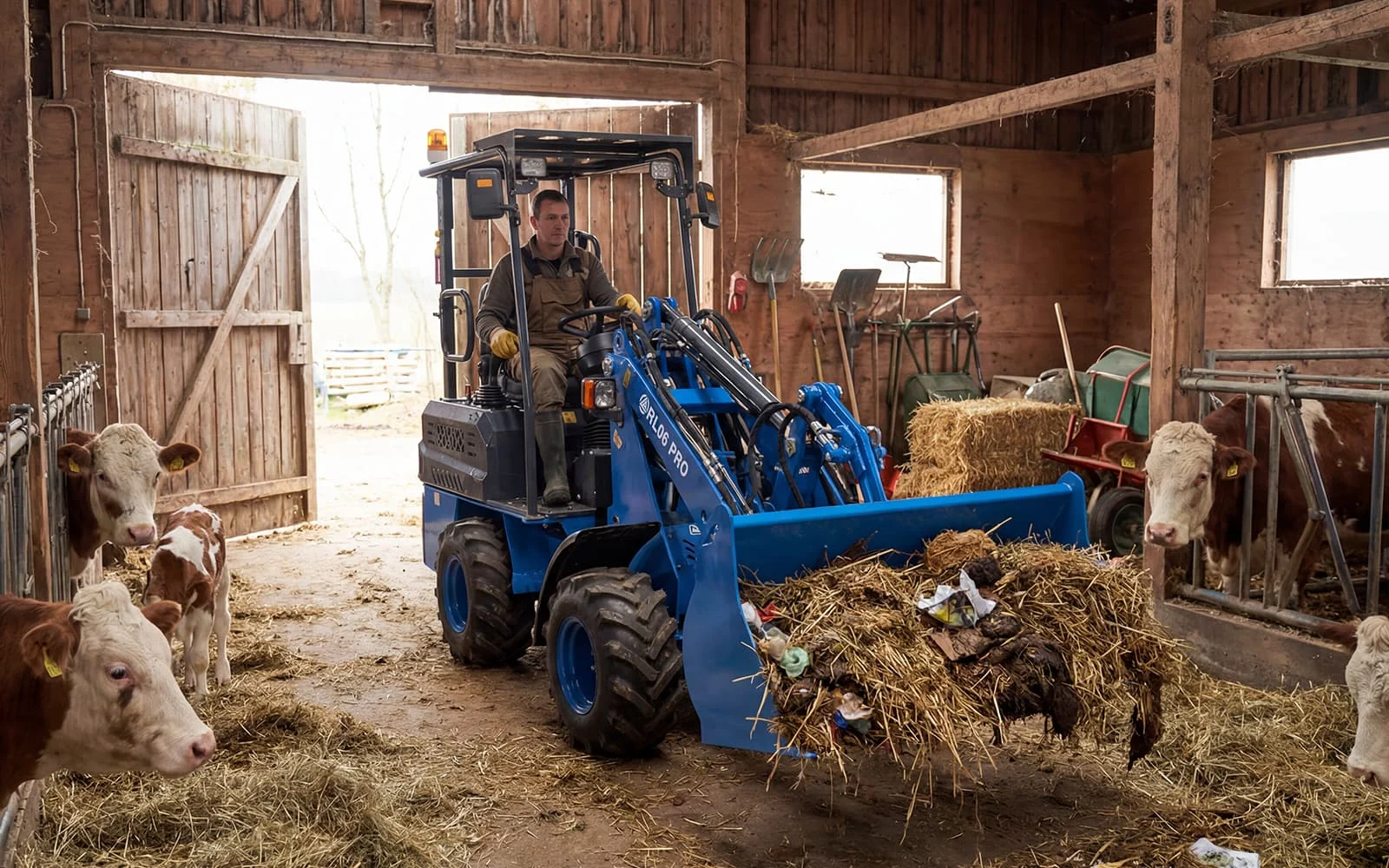
For dealers serving professional landscapers, hardscape contractors, and property maintenance businesses, mini excavators can be a practical starting category.
Attachments often provide a logical next step. Skid steer loaders may then be considered where loading, grading, and cleanup demand exists.
They may be useful for larger landscaping operations and material yards that move significant volumes of loose material.
Only when their customers have meaningful pallet-handling or yard-material applications.
No. Core models can be stocked while lower-demand configurations remain special-order products.
Landscape equipment dealers should build their compact equipment range around the work their customers actually perform.
For many businesses, the progression can be:
Mini excavator → attachments → skid steer → compact wheel loader → specialized equipment where demand exists.
The strategy works because it follows customer growth.
A landscaper that once purchased only lawn equipment may eventually become a construction-oriented outdoor contractor with multiple crews and multiple machines.
The dealer that recognizes this evolution early can grow alongside that customer.
For equipment businesses, that is the real opportunity:
not simply adding more products, but becoming the machinery supplier customers continue using as their businesses become larger.

Copyright: Shandong Rippa Machinery Group Co., Ltd.
Rappresentante legale: Yan Huaiguo | N. di licenza: 913708000509206491
Indirizzo: n. 39, Guangan Road, sottodistretto di Liuhang, Zona High-tech, città di Jining, provincia dello Shandong

 Casa
Casa
 Prodotti
 Email
Email
 WhatsApp