Ott 08, 2026
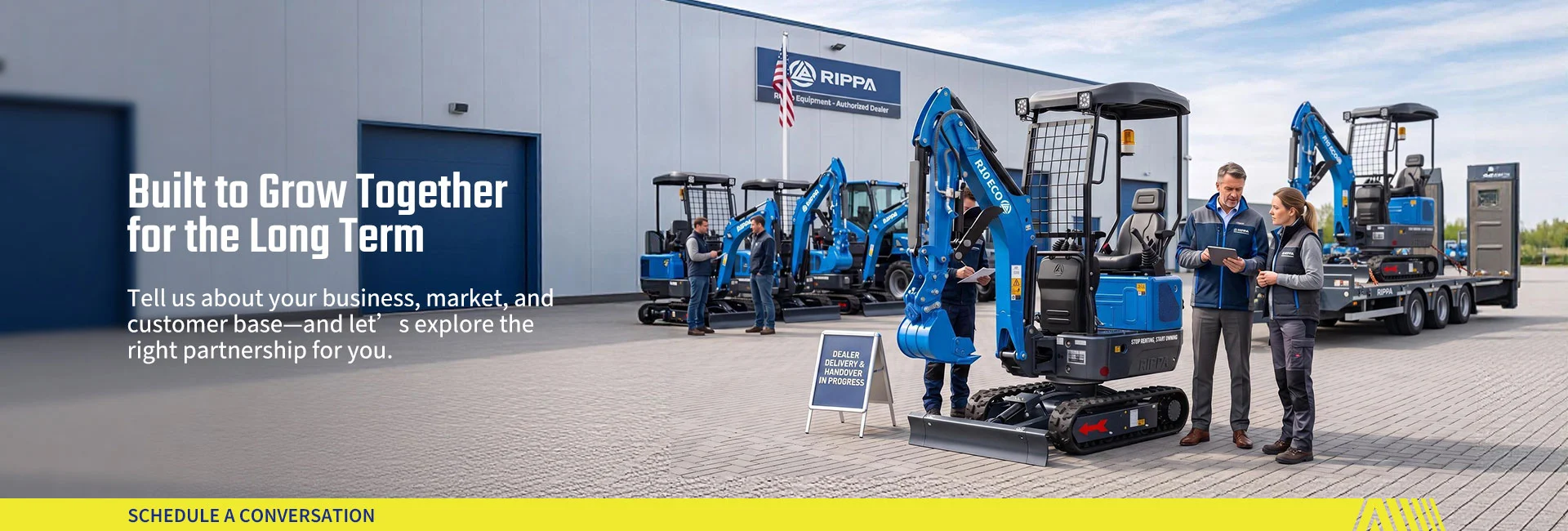
Yes. An established used equipment dealer can be a strong potential candidate for selling new RIPPA mini excavators if the business already has machinery customers, local sales capability, working capital, equipment-handling experience, and a realistic plan for parts and after-sales support.
Used equipment dealers already serve many of the same customers that purchase mini excavators, including:
Instead of abandoning used machinery, a dealer can potentially use new mini excavators as an additional product line.
The business model can become:
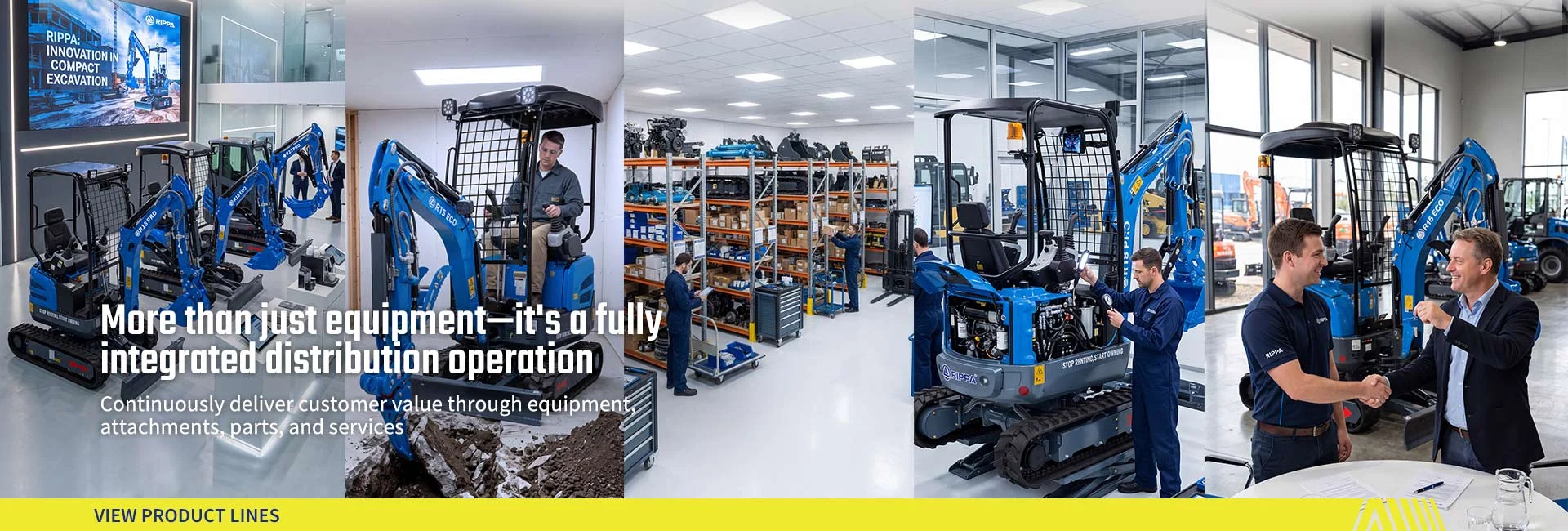
Used equipment + new mini excavators + attachments + parts + future repeat machine sales.
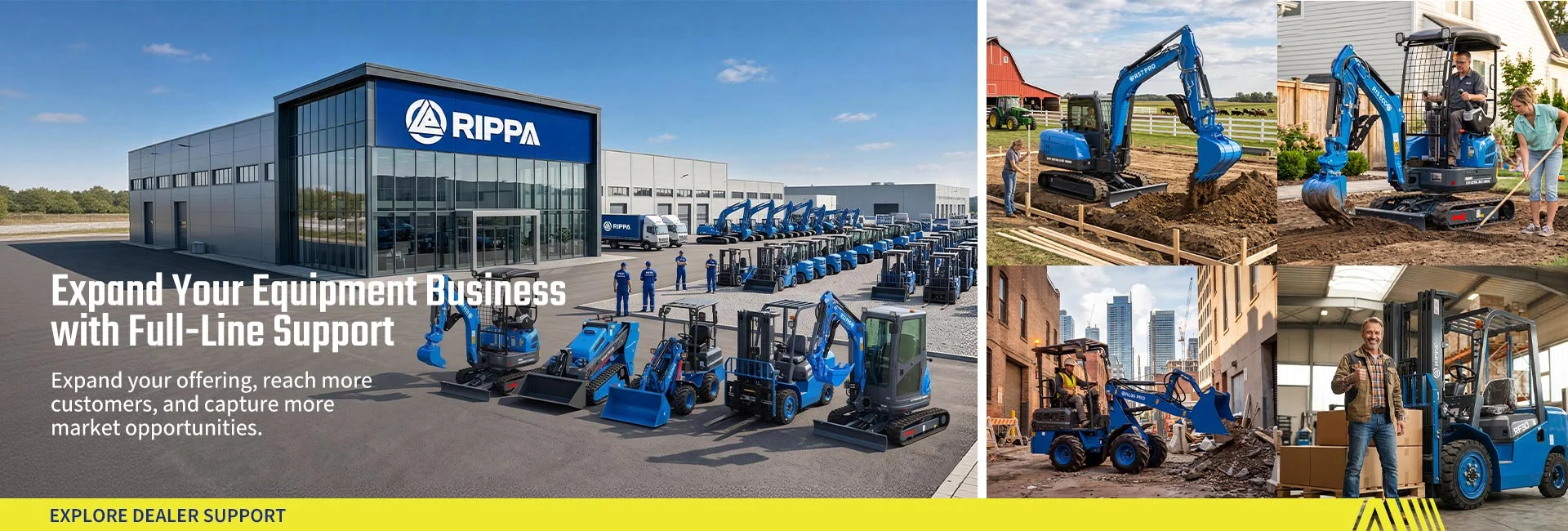
RIPPA’s current dealer-recruitment content targets machinery distributors, importers, rental companies, agricultural equipment sellers, and regional equipment partners interested in developing compact escavatore markets. Its current product catalog also includes multiple compact equipment categories.
Actual dealership approval, territory, stocking, warranty, parts, commercial, and support terms should always be confirmed directly with RIPPA.
Used machinery dealers already understand something that a completely new equipment business must learn from the beginning:
how equipment customers buy.
They may already know how customers evaluate:
More importantly, used equipment dealers already have relationships with machinery buyers.
That existing customer network can provide a practical foundation for adding new mini excavators.
They can sometimes compete for the same buyer, but they do not necessarily serve identical customer needs.
A dealer can position them as different purchasing options.
May prioritize:
May prioritize:
This allows the dealership to serve a wider range of buyers.
Imagine a contractor visits a used machinery dealership looking for a mini excavator.
The dealer has three used machines available.
However, the contractor wants:
If the dealership only sells used equipment, that customer may need to go somewhere else.
If the dealer also has access to new mini excavators, it can offer another path.
Instead of saying:
“We do not have what you need.”
the dealer may be able to say:
“We can also evaluate a new machine configuration for your application.”
That can help the dealership retain customers who might otherwise leave.
Mini excavators can serve several existing used-equipment customer groups.
Tra le applicazioni più comuni figurano:
RIPPA’s current excavator dealer materials position compact excavators around applications including digging, trenching, grading, planting, land maintenance, landscaping, farm work, rental use, and light construction.
This gives a used equipment dealer multiple potential markets rather than relying on only one type of buyer.
Contractors may already visit used equipment dealers looking for affordable machinery.
Some of them may eventually prefer new equipment when they need:
Potential applications include:
Professional landscapers may use mini excavators for:
A landscaping company may initially look for a used excavator because of price.
However, if the business is growing and expects frequent machine use, it may also compare new options.
Farm customers may need excavators for:
A used equipment dealer serving agricultural customers may therefore already have potential mini excavator buyers.
Rental businesses can be particularly important B2B accounts.
A rental company may purchase used machines for some fleet categories while preferring new machines when it wants:
This gives used equipment dealers an opportunity to develop larger fleet relationships.
Potentially.
Used equipment sales are often based on individual machines.
One excavator arrives.
It is inspected.
It is sold.
Another machine may be completely different.
New equipment can create a more repeatable business relationship.
A rental company might order:
A reseller might begin with:
and later expand into:
The important difference is repeatability.
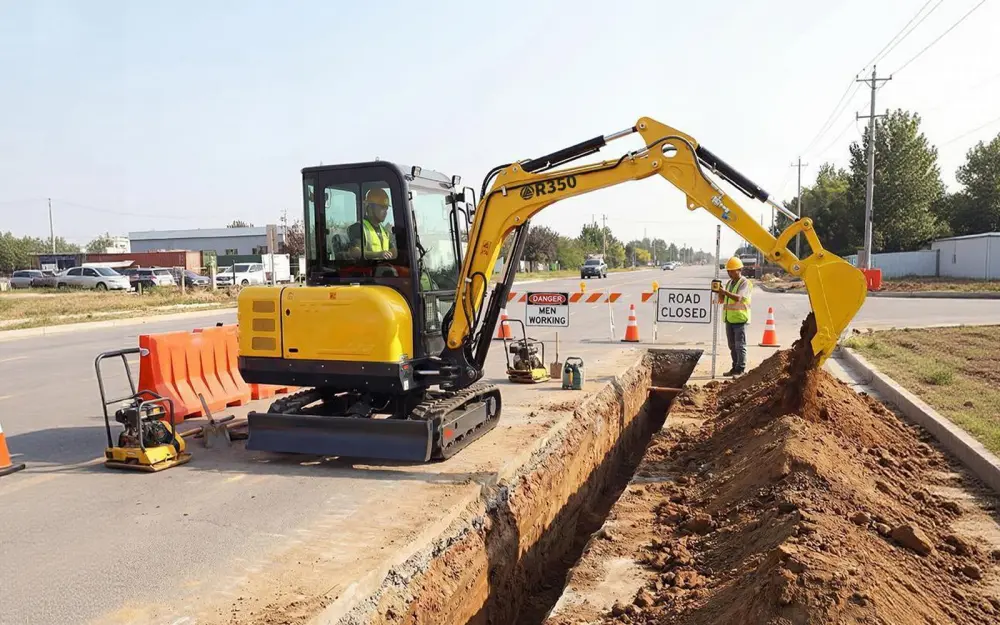
Used inventory depends on what the dealer can source.
New inventory can potentially be planned more systematically.
A dealer can begin to organize:
This can make the equipment business easier to scale.
No.
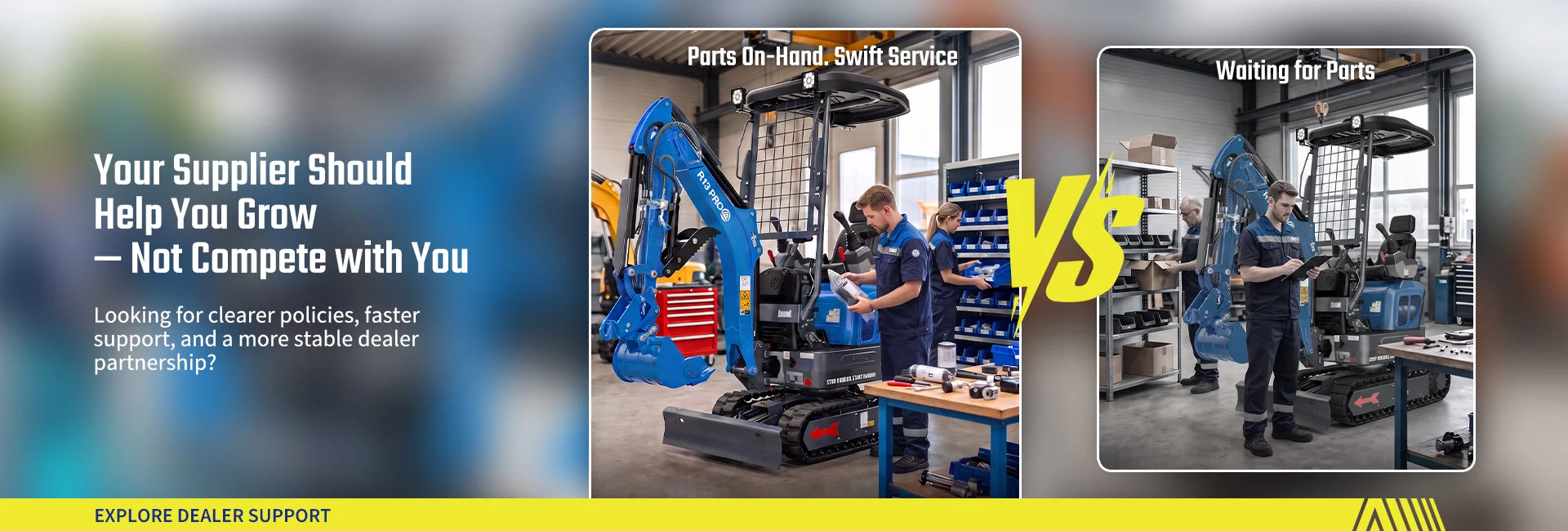
For many businesses, the stronger strategy may be combining both categories.
A dealership could structure its inventory like this:
For:
For:
For:
For:
This gives the dealership more ways to serve the same local market.
A used equipment dealer should not suddenly tell customers that used machinery is a bad choice.
That would undermine its existing business.
Instead, explain that the right choice depends on the customer.
For example:
Used may be suitable when:
New may be suitable when:
The dealer becomes more useful by offering choices.
A cautious approach can work better than buying a large amount of inventory immediately.
Identify how many current customers are:
Then ask:
How often do they need mini excavators?
Look at previous customer conversations.
How many buyers asked:
These lost opportunities may indicate demand.
Do not assume every excavator model needs to be stocked.
Start with machines that fit the most common customer applications.
A demo machine can help:
Understand before selling:
The easiest first customer may already be in the dealership’s database.
A used dealer can contact:
and introduce the new machine line.
A used machinery dealer may have an advantage here because it already understands used equipment.
Some customers purchasing new machines may want to dispose of existing equipment.
Where commercially and legally appropriate, a dealer that already understands valuation and resale may be better prepared to handle trade-in opportunities than a completely new equipment seller.
However, trade-in values and terms should be evaluated case by case.
Used equipment dealers often already have customers who visit the yard to inspect machinery.
This makes it easier to introduce a demonstration machine.
A customer who arrives to inspect a used excavator may also compare:
This can create natural product discovery.
New excavator sales can create another business opportunity through compatible attachments.
Potential categories include:
A customer may purchase the excavator first and add attachments later.
This creates repeat business without requiring another machine sale.
Compatibility should always be confirmed for the exact excavator configuration.
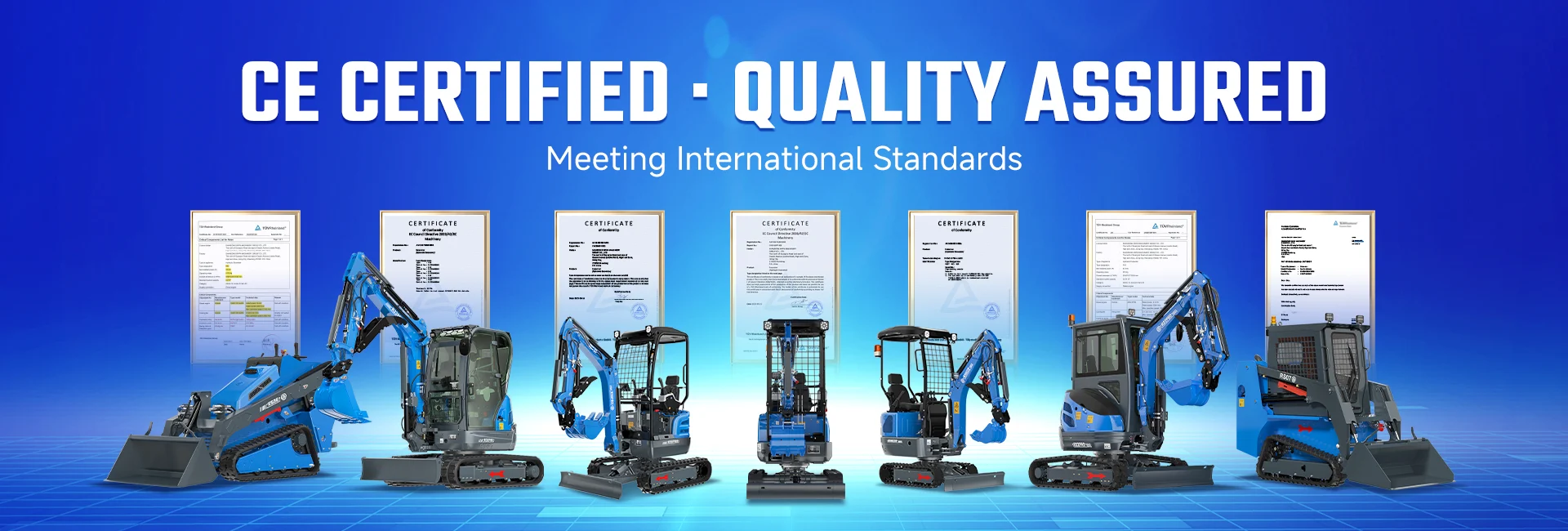
Used machinery dealers already know that customers eventually need parts.
For new equipment, the dealer should establish a clearer process from the beginning.
Customers may need:
A B2B buyer should know where those parts will come from before purchasing.
It needs a service strategy, but that does not necessarily mean building a large workshop immediately.
Possible approaches include:
The right structure depends on local sales volume and dealer resources.
Yes.
An established used equipment dealer may already be known locally for:
That reputation can be valuable when introducing a new product line.
Instead of asking customers to trust an unknown new dealership, the business can introduce new equipment through an existing commercial relationship.
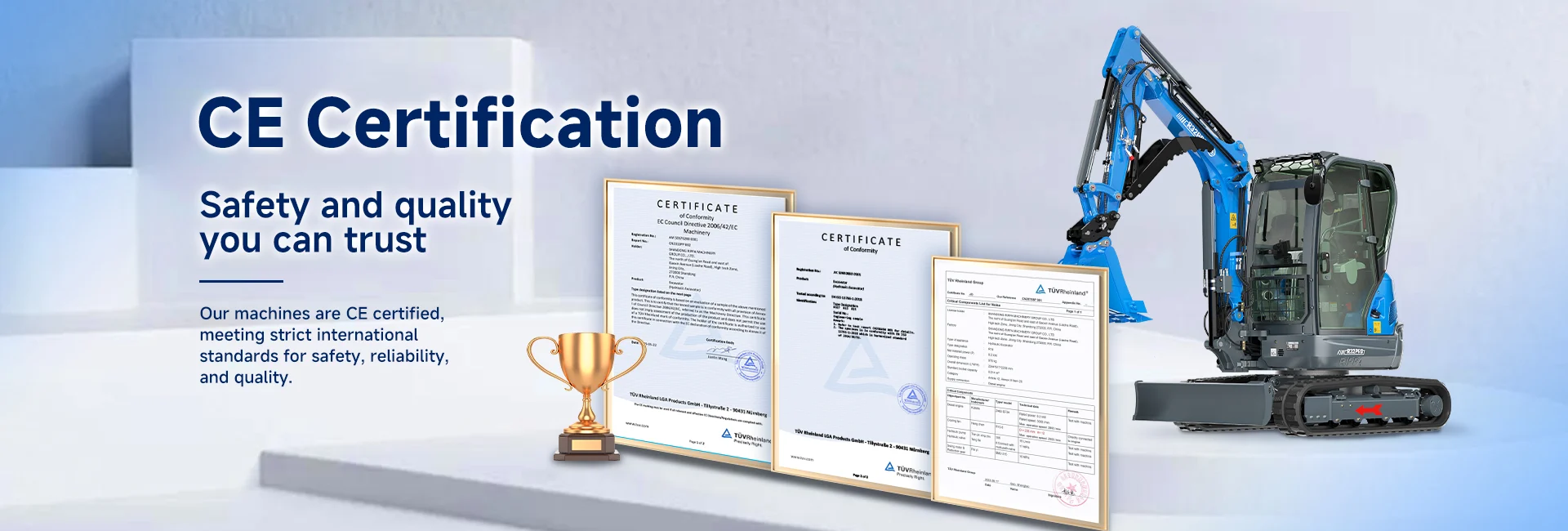
Potential dealers should confirm current information about:
RIPPA’s currently published dealer materials describe machinery distributors, importers, rental companies, agricultural equipment sellers, and regional partners as target partner types, while its dealer-program page describes training and stocking support.
Specific terms should still be confirmed directly rather than assumed to apply uniformly to every market.
| Question | Perché è importante |
|---|---|
| Do existing customers buy mini excavators? | Measures customer overlap |
| Are customers asking for new equipment? | Identifies unmet demand |
| Can we fund initial inventory? | Tests financial readiness |
| Do we have display/storage space? | Supports operations |
| Can we manage parts? | Supports machine uptime |
| Do we have service capability? | Supports customers after sale |
| Can sales staff explain new machines? | Improves conversion |
| Can we market to our existing database? | Reduces acquisition difficulty |
| Can we support repeat orders? | Builds long-term B2B value |
Potentially, yes. Established used machinery dealers may have relevant customers, machinery knowledge, facilities, and sales capability that can support a new-equipment business. Dealer approval and current commercial terms should be confirmed with RIPPA.
No. New and used equipment can serve different customer needs and may work together within the same dealership.
Contractors, rental companies, farms, landscapers, rural businesses, and other commercial machinery users may all be relevant.
Mini excavators serve several industries and can provide a focused entry point into new-equipment distribution.
Compatible attachments can become an important additional product category.
It may already have customers, machinery knowledge, a location, logistics, and local market reputation.
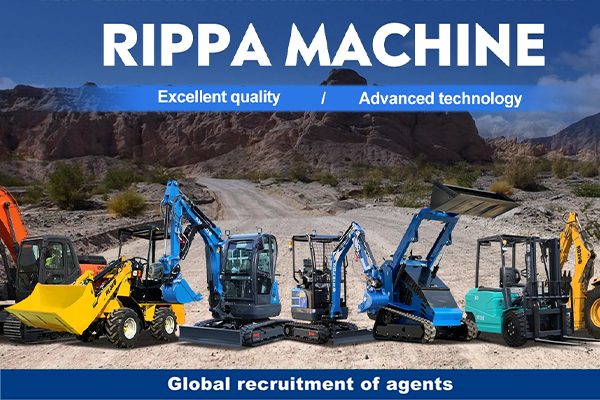
Used equipment dealers can be strong candidates for adding RIPPA mini excavators because they already operate close to the machinery buyer.
They may already have:
Adding new mini excavators does not require abandoning used equipment.
A stronger strategy can be:
used machinery + new mini excavators + attachments + parts + after-sales support.
The key opportunity is not simply adding another product to the yard.
It is using an existing machinery business to serve more of the customer’s equipment purchasing needs.

Copyright: Shandong Rippa Machinery Group Co., Ltd.
Rappresentante legale: Yan Huaiguo | N. di licenza: 913708000509206491
Indirizzo: n. 39, Guangan Road, sottodistretto di Liuhang, Zona High-tech, città di Jining, provincia dello Shandong

 Casa
Casa
 Prodotti
 Email
Email
 WhatsApp