Set 24, 2026
B2B dealers should compare new and used compact equipment based on customer demand, acquisition cost, machine condition, configuration consistency, parts support, maintenance requirements, attachments, warranty, technical support, resale strategy, and expected inventory turnover.
The comparison should be made separately for each equipment category.
A dealer may choose:
There is no single rule saying all equipment should be new or all should be used.
The better strategy depends on the dealership’s customer base.
Common categories include:
Each category has a different customer base and different support requirements.
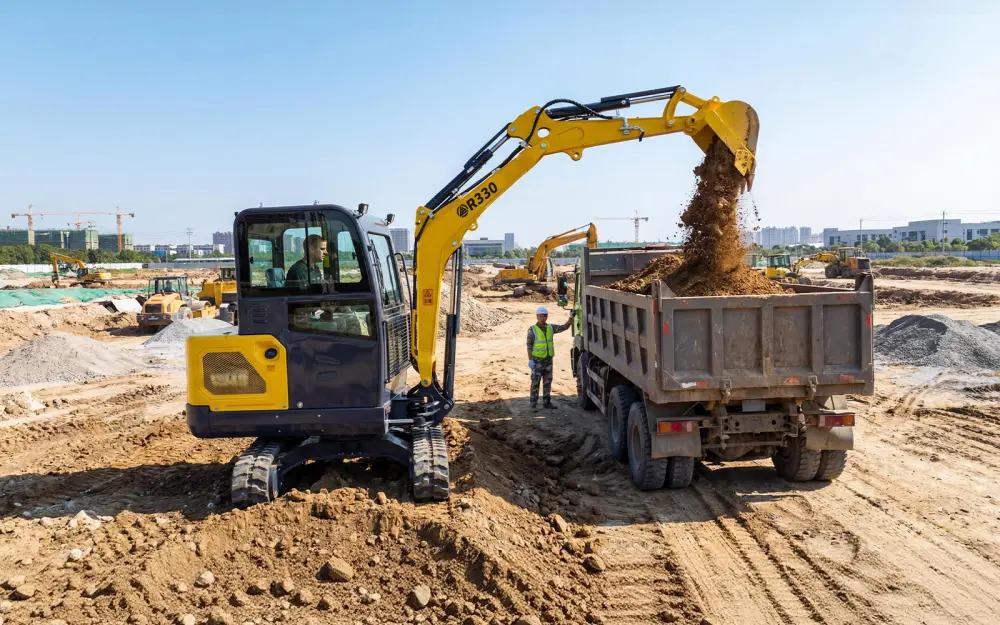
Mini excavators serve:
New machines may be useful when dealers need:
Used machines may be useful for:
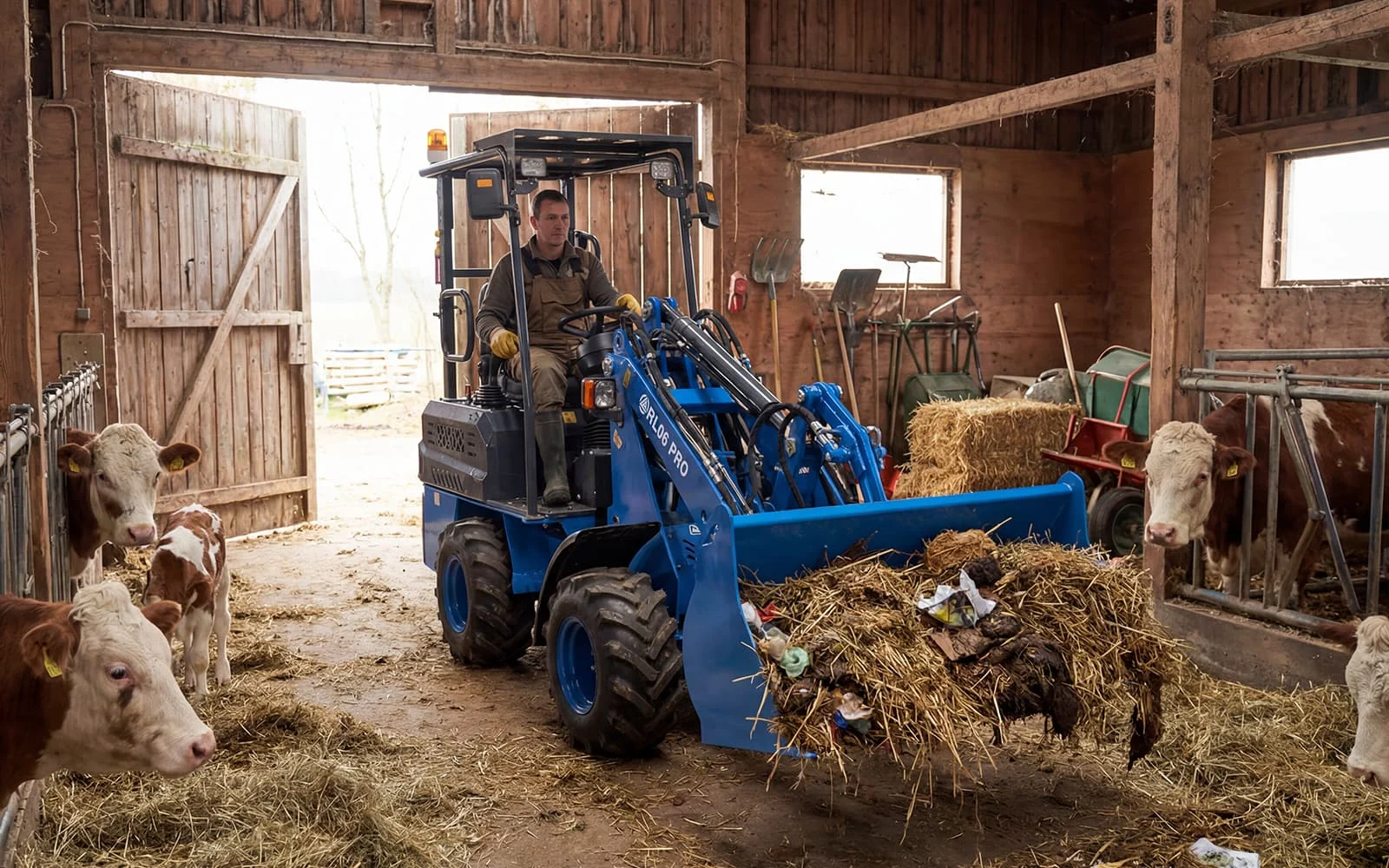
Skid steer loaders may support:
For used machines, dealers should pay careful attention to:
New machines may allow a more standardized attachment and service strategy.
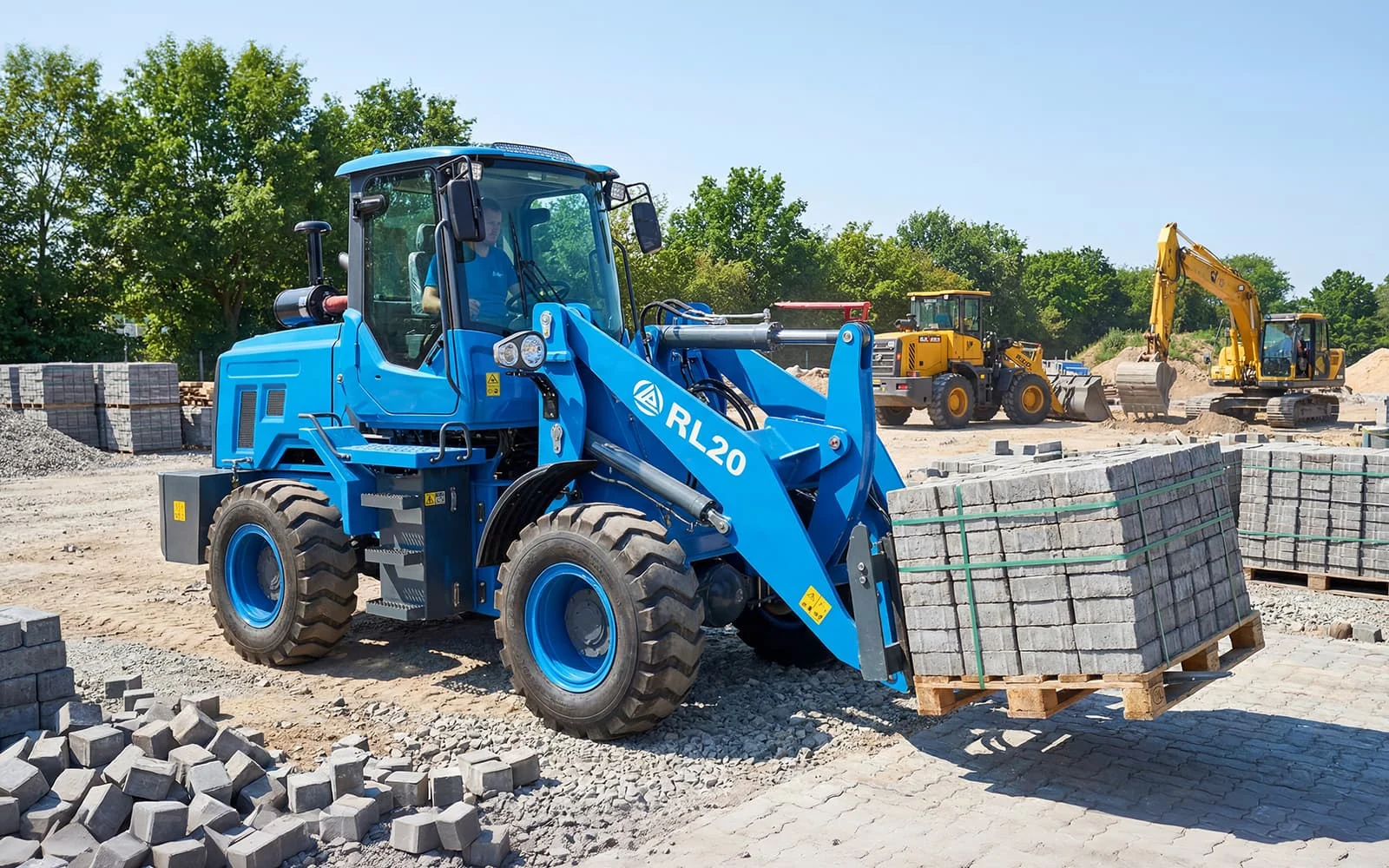
Compact wheel loaders may be used for:
Used loaders may need condition evaluation around:
New units may be easier to configure consistently for a specific customer market.
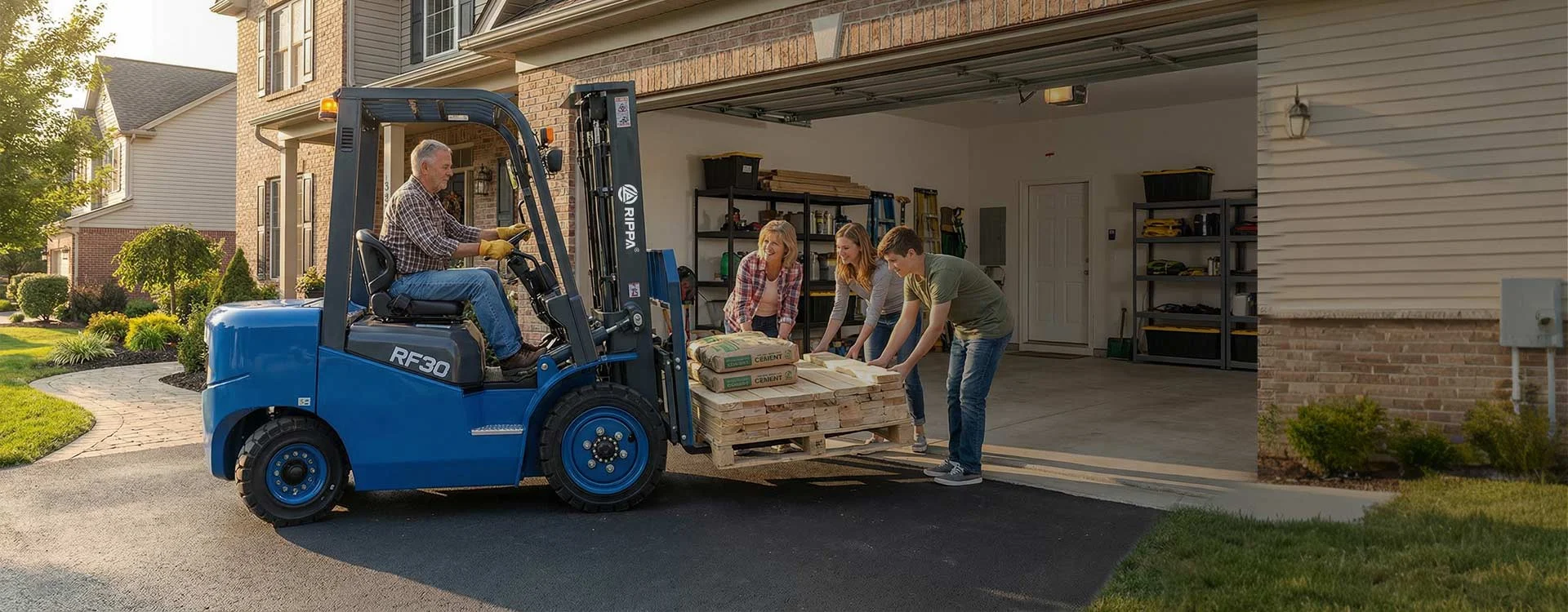
Forklifts require particularly careful matching to the operating environment.
Buyers should consider:
Used forklifts should also be inspected for condition and maintenance history.
New units may be useful when the customer requires a specific load and operating configuration.
Ask:
Inventory should follow demand.
New equipment often requires greater initial capital.
Used equipment may require less acquisition capital but can involve inspection and repair costs.
Compare total inventory cost rather than purchase price alone.
For used equipment, evaluate:
Each used machine should be treated individually.
Ask whether:
This matters for both new and used equipment.
Attachments may affect the commercial value of:
Compatibility should always be verified.
New equipment may include current supplier warranty terms.
Used equipment warranty varies significantly by seller and transaction.
Dealers should communicate this clearly.
A machine that sits in inventory too long ties up capital.
Dealers should consider:
| Factor | New Equipment | Used Equipment |
|---|---|---|
| Initial purchase price | Often higher | Often lower |
| Machine history | New | Previous use |
| Configuration consistency | Usually higher | Can vary |
| Condition uncertainty | Inferiore | Più alto |
| Parts planning | Often easier with current models | May vary by generation |
| Allegati | Can be planned before order | Must be checked individually |
| Warranty | Current supplier terms may apply | Varies |
| Inventory sourcing | Repeat orders may be possible | Unit-dependent |
| Customer price range | Higher entry point | Broader lower-price opportunities |
Yes, if customer demand supports both.
A balanced dealer may use:
This can help serve customers at different stages of business growth.
New equipment may be more attractive when:
Used equipment may be attractive when:
Before adding RIPPA machines to inventory, dealers should confirm current:
The appropriate product mix should follow real customer demand.
It depends on customer demand, budget, support capability, machine condition, and inventory strategy.
It may make fleet standardization easier, but rental companies still need to compare acquisition cost and utilization.
It can provide a lower entry cost, but machine condition and future maintenance must be evaluated.
Yes. Many dealerships can use both categories to serve different customer groups.
For dealers serving contractors, farms, landscapers, and rental companies, mini excavators can be considered as a core compact equipment category.
B2B dealers should compare new and used compact equipment based on the entire business case rather than age or purchase price alone.
New equipment may provide advantages in standardization, repeat ordering, attachment planning, parts support, and current product information.
Used equipment may provide advantages in acquisition cost, price flexibility, and inventory variety.
For many dealers, the most practical strategy is not choosing one side exclusively.
It is creating a product mix in which new and used equipment serve different customer needs while the dealership maintains clear inspection, parts, service, and support processes.

Copyright: Shandong Rippa Machinery Group Co., Ltd.
Rappresentante legale: Yan Huaiguo | N. di licenza: 913708000509206491
Indirizzo: n. 39, Guangan Road, sottodistretto di Liuhang, Zona High-tech, città di Jining, provincia dello Shandong

 Casa
Casa
 Prodotti
 Email
Email
 WhatsApp