19 April 2026
During the purchase of a mini ekskavator, focus on five key areas: (1) New vs used – weigh warranty against upfront savings; (2) Attachments – select essential tools (grading blade, thumb, auger); (3) Dealer support – verify parts availability and service response; (4) Total cost of ownership – calculate fuel, maintenance, and resale; (5) Warranty terms – understand coverage and claim process. A well‑informed purchase saves thousands over the machine’s life.
Key insight: For homeowners using the machine 100–200 hours per year, a well‑maintained used machine with a Kubota engine offers excellent value. For contractors or daily use, new with warranty is safer.
| Factor | New | Used |
|---|---|---|
| Price | Higher | 30‑50% lower |
| Warranty | Competitive coverage (1‑3 years) | Typically none or limited |
| Hours | Zero | 500–3,000+ |
| Maintenance history | None needed | Critical – request records |
| Technology | Latest features | Older design |
| Best for | Long‑term ownership, heavy use | Occasional use, tight budget |
Recommendation: For homeowners using the machine 100–200 hours per year, a well‑maintained used machine with a Kubota engine offers excellent value. For contractors or daily use, new with warranty is safer.
Used inspection checklist:
Check hour meter – verify against wear (pedals, seat, controls)
Look for fluid leaks under the machine
Test all functions (lift, swing, travel, auxiliary)
Inspect tracks – should have 50%+ life remaining
Ask for service records – a machine with complete records is worth 10‑20% more

A mini ekskavator with only a bucket is limited. These attachments will greatly expand what you can do:
| Attachment | Penggunaan Umum | Approximate Cost | ROI |
|---|---|---|---|
| Grading blade | Driveway leveling, spreading gravel | $500‑$1,000 | 1 driveway repair |
| Jari hidrolik | Grabbing stumps, rocks, logs | $1,500‑$2,500 | 3‑5 stump removals |
| Auger | Fence posts, tree planting | $1,200‑$2,500 | 1 fencing project |
| Pengait cepat | Fast attachment changes | $800‑$1,500 | Saves hours of labor |
If your machine does not already have a hydraulic quick coupler, add it immediately. It turns a 15‑minute attachment change into a 30‑second operation from the cab.
Check hydraulic flow: Some attachments (breakers, mulchers) require high‑flow hydraulics. Verify your machine’s auxiliary flow rating before buying high‑demand attachments.
Before signing, ask these questions:
| Question | What to Look For |
|---|---|
| How far is the nearest authorized service center? | Within 100 miles is ideal |
| Are common parts stocked locally? | Filters, seals, hoses should be available |
| What is typical parts delivery time? | 1‑3 days from regional warehouse is good |
| Is technical support available? | Phone, video, or on‑site support |
| What warranty coverage is offered? | Competitive coverage (1‑3 years typical) |
China manufacturers like RIPPA maintain overseas warehouses in North America and Europe, with common parts shipping within 48 hours. This is a critical advantage over brands without local support.
The purchase price is only part of the equation. Over 5 years of typical homeowner use (200 hours/year), a $25,000 excavator will cost:
| Cost Component | 5‑Year Total |
|---|---|
| Purchase price | $25,000 |
| Fuel (1.4 L/h × $1.20 × 1,000h) | $1,680 |
| Maintenance (oil, filters, grease) | $2,500 |
| Minor repairs (hoses, seals) | $1,000 |
| Resale value (after 5 years) | –$12,000 |
| Net 5‑year cost | $18,180 |
For contractors using the machine 500 hours/year: The net cost is higher, but the machine generates revenue. Payback period can be as short as 2‑3 months of billable days.
Compare with renting: If you rent 20 days per year at $400/day, 5‑year rental cost is $40,000 – more than buying a new machine. The break‑even point is around 15 days/year.
Warranty coverage varies by manufacturer and product series. Key points to check:
| Warranty Aspect | What to Ask |
|---|---|
| Duration | 1, 2, or 3 years common |
| What is covered | Parts for manufacturing defects |
| What is not covered | Wear items (tracks, hoses, filters, teeth), labor, shipping after first year |
| Claim process | Online submission with photos; typical approval time 24‑48 hours |
| Transferability | Is warranty transferable to a new owner? (adds resale value) |
RIPPA’s approach: Competitive warranty coverage tailored to product lines (ECO, PRO, and other configurations). For specific terms, consult your dealer. 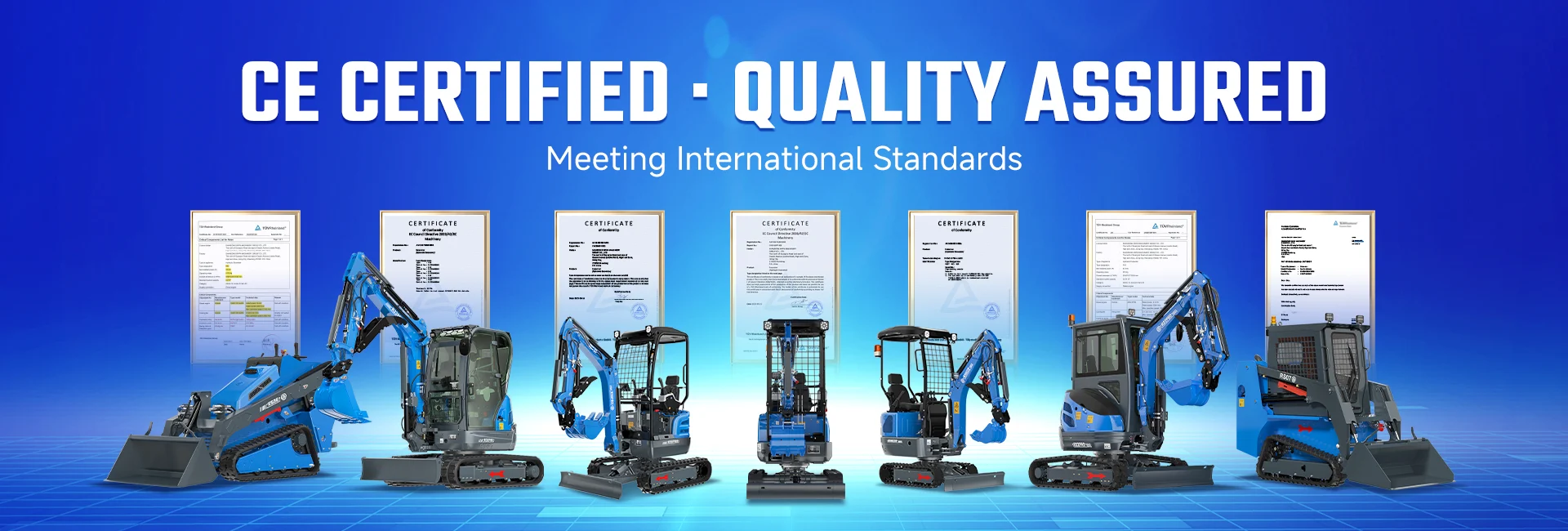
Q: What is the best mini excavator for a first‑time buyer?
A: A 1.5–1.8 ton machine with a Kubota engine, hydraulic quick coupler, and grading blade. It balances power, transportability, and ease of use.
Q: Should I buy from a local dealer or direct from a manufacturer?
A: Local dealers offer immediate service and parts. Direct from manufacturer may offer lower prices but verify support availability.
Q: What is the most important attachment to buy first?
A: A grading blade – it pays for itself in one driveway repair. Then a hydraulic thumb for stump removal and material handling.
Q: How do I know if a used machine has been abused?
A: Check for uneven track wear, fluid leaks, cracked welds, and ask for service records. A machine that was regularly greased and maintained will show it.
Q: Can I finance a mini excavator?
A: Yes. Many manufacturers and dealers offer financing. Rates typically range from 5‑9% for excellent credit. Some offer 0% promotional financing for short terms.
During the purchase process, take your time to evaluate new vs used, select the right attachments, verify dealer support, calculate total cost of ownership, and understand warranty terms. A well‑informed purchase saves thousands over the machine’s life and ensures you get a machine that truly fits your needs.
Next step: Request quotes from at least two dealers or manufacturers. Compare pricing, delivery, warranty, and support. Then make your decision with confidence.

Hak Cipta: Shandong Rippa Machinery Group Co., Ltd.
Perwakilan Hukum: Yan Huaiguo | Nomor Izin: 913708000509206491
Alamat: No. 39 Jalan Guangan, Kecamatan Liuhang, Kawasan Teknologi Tinggi, Kota Jining, Provinsi Shandong

 Beranda
 Produk
 Email
Email
 WhatsApp