okt 12, 2026
Small construction businesses often reach a point where relying entirely on rentals, subcontractors, and manual labor limits growth.
The question then becomes:
Which equipment should the business buy first?
There is no universal answer, but several compact equipment categories can provide strong business value:
The correct choice depends on the work the business performs most frequently.
For many small contractors, the first priority should be equipment that:
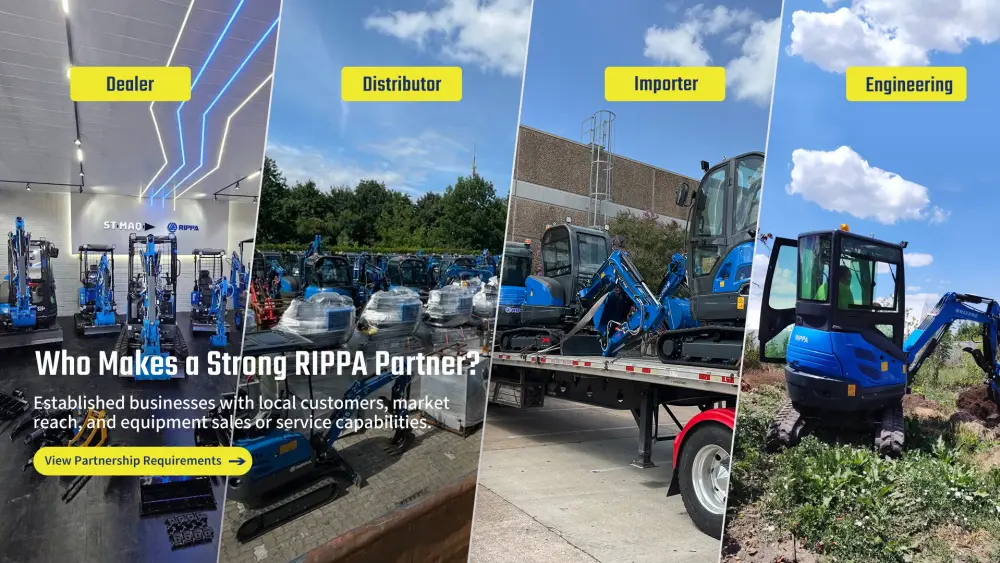
Egy mini kotrógép can be one of the most useful first machines for a small contractor.
Applications include:
Its business advantage comes from allowing contractors to perform dedicated excavation work internally.
Potential users include:
The machine becomes more valuable when digging appears across many projects.
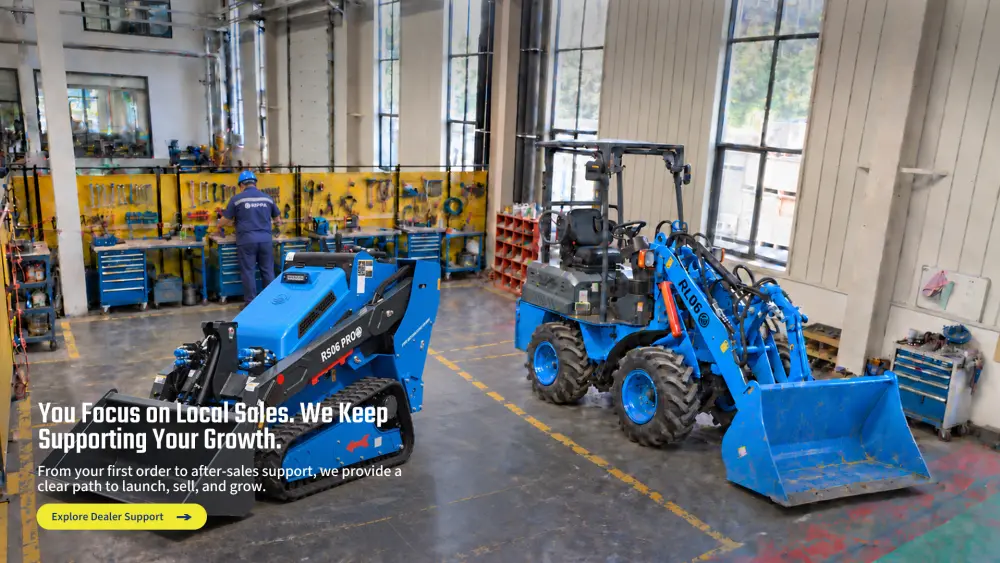
A skid steer is a highly versatile compact loader.
It may support:
For contractors who spend less time digging and more time handling material, it may be the stronger first machine.
These two machines solve different problems.
A typical workflow may be:
Dig.
Move material.
Complete detailed excavation.
Grade and clean.
For growing contractors, this can become a highly practical two-machine fleet.
A compact wheel loader can be valuable when the business regularly handles:
Potential users include:
Compared with a skid steer, a wheel loader may be better suited to businesses focused heavily on repetitive loose-material movement.
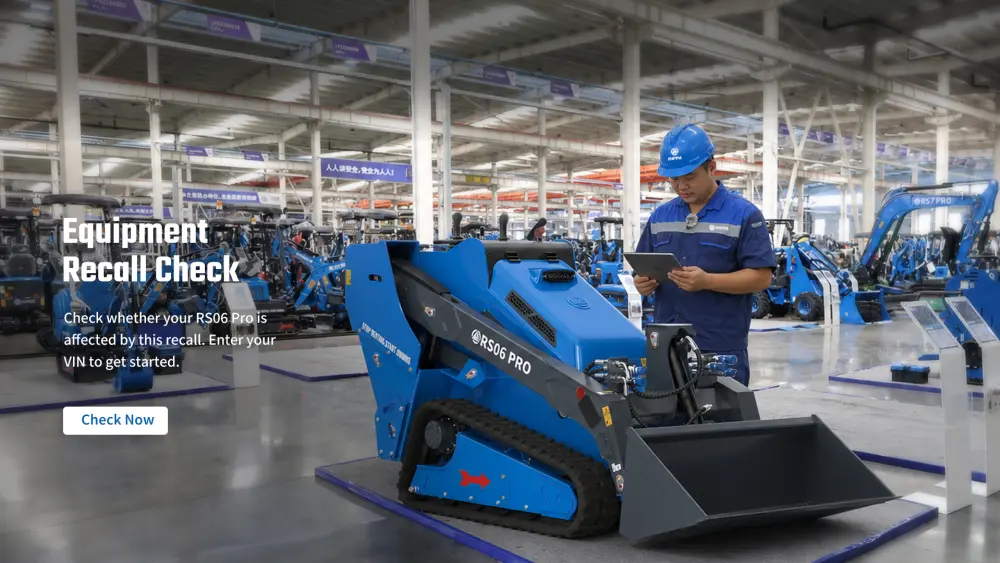
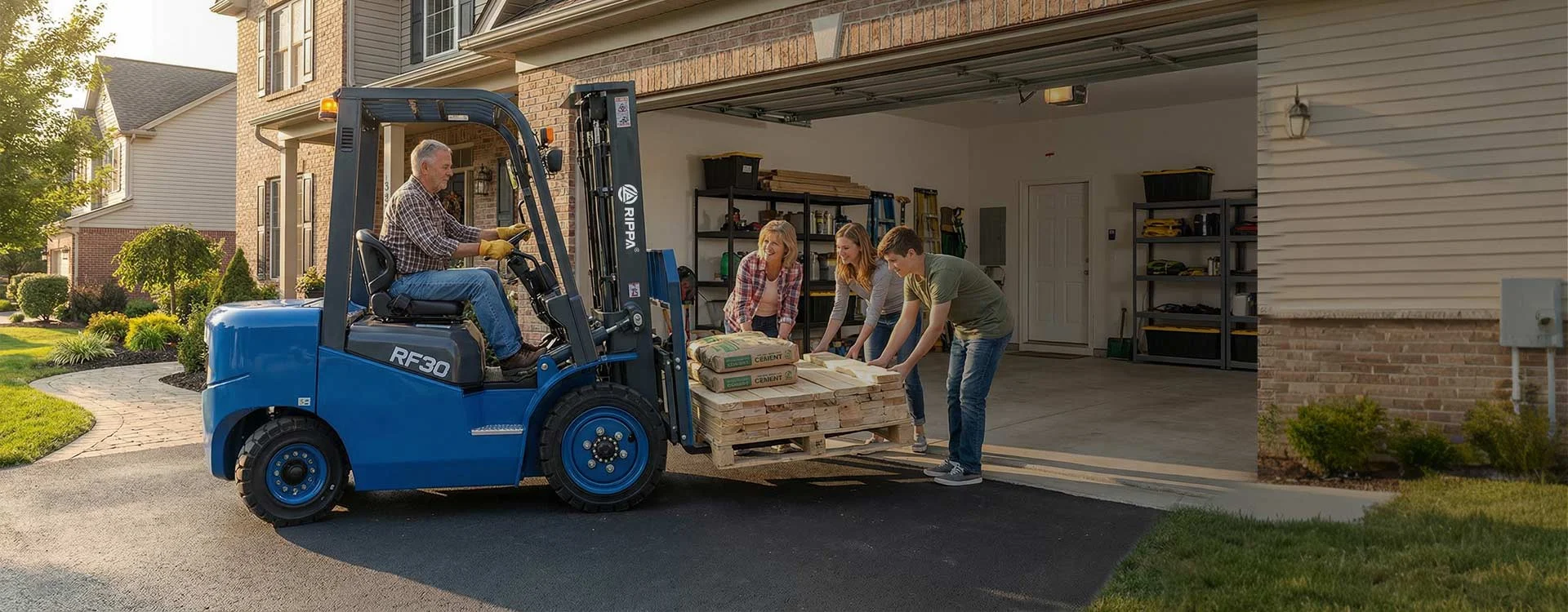
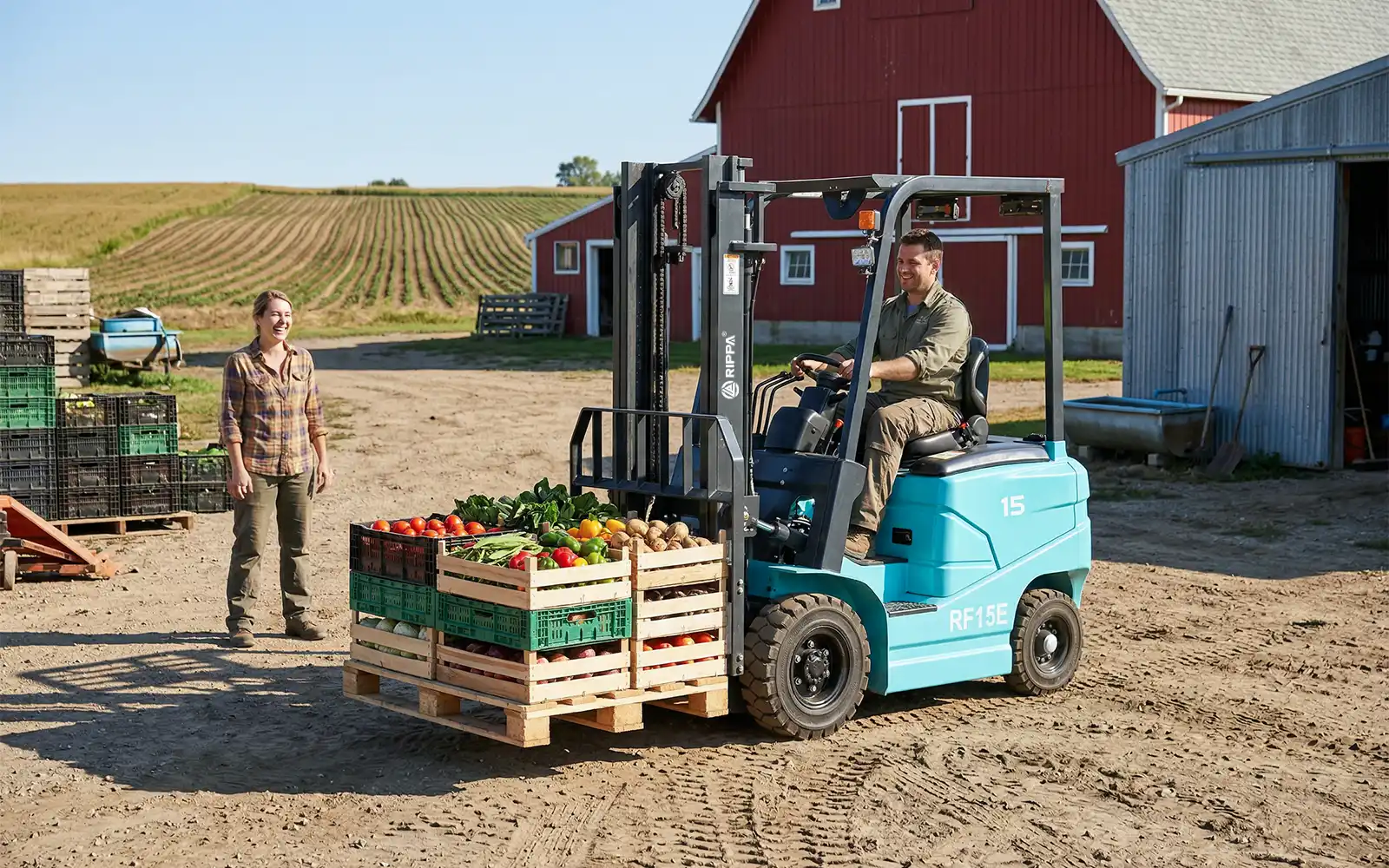
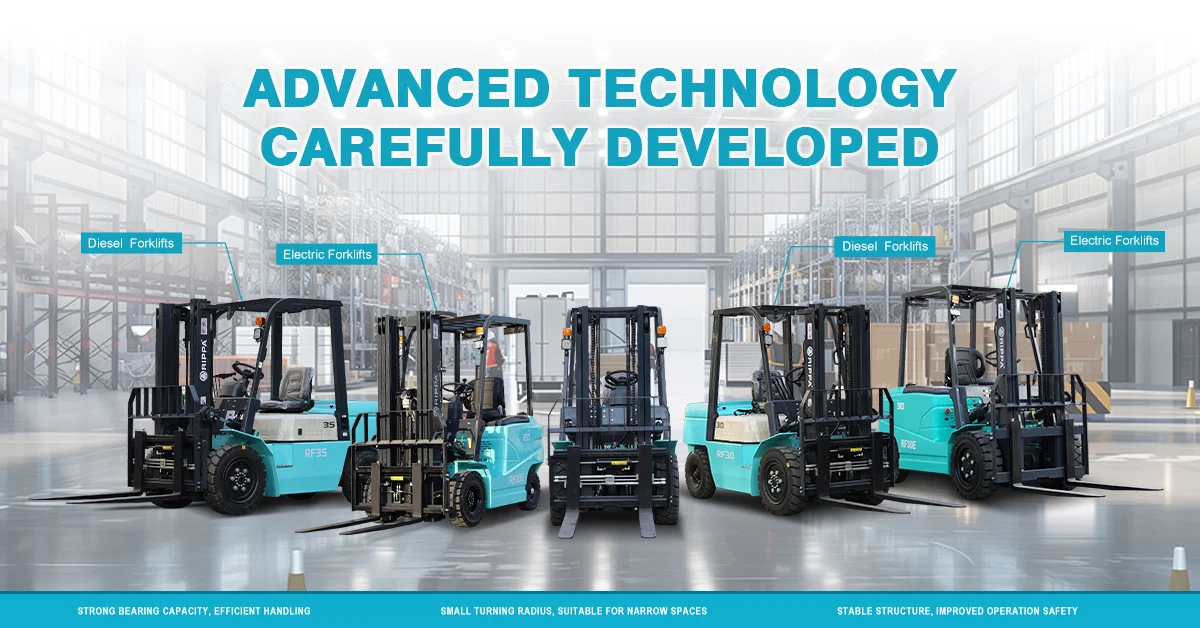
A forklift serves a different workflow.
It is relevant when the business needs:
A small construction contractor may not need one.
But a:
may consider forklifts essential.
This shows why equipment selection must begin with workflow.
A business does not always need another machine.
Sometimes an attachment can solve the next problem.
Possible attachments may include:
For example:
A mini excavator with several useful attachments may serve more jobs than one machine with only a standard bucket.
Start with the task performed most frequently.
Consider:
Consider:
Consider:
Consider:
This sounds simple, but many businesses make purchasing decisions based on equipment popularity rather than actual work.
Renting may remain better when:
Ownership may deserve consideration when:
The right answer may also differ by machine category.
A contractor may own a mini excavator but rent a larger loader only when needed.
Consider:
Will ownership reduce:
Can the machine create new paid services?
Will the business complete projects faster?
How many jobs will use the machine?
What maintenance and parts will be required?
ROI should be based on the business’s actual workload.
Versatility depends on the job mix.
A mini excavator is extremely versatile within excavation-related work.
A skid steer is highly versatile for loader and attachment-based tasks.
A compact wheel loader is efficient for material handling.
There is no universal “most versatile” machine because versatility only matters when it matches customer work.
A typical priority may be:
This progression allows the business to cover:
Potential priorities include:
The contractor should examine which project stages are most frequently subcontracted.
Those tasks may reveal the best equipment investment.
Potential compact equipment roles include:
The farm’s actual workflow should guide the purchase.
Rental businesses should use booking data.
Questions include:
The best rental machine is not necessarily the one with the highest daily rate.
It is the machine that produces strong utilization after accounting for operating cost.
A new equipment dealer should use the same logic.
Start with a product serving the greatest number of relevant customers.
For dealers targeting:
mini excavators can provide a practical core category.
Then add products according to real demand.
Consider skid steers.
Consider compact wheel loaders.
Consider forklifts.
This creates a much healthier dealer product strategy than stocking everything immediately.
Potential dealer candidates may already operate as:
These companies may already have the most difficult resource to build:
customers.
The next step is developing:
Low price can attract traffic.
But commercial customers also care about:
A dealer capable of solving customer problems may build stronger repeat business than one competing only on machine price.
| Business Need | Equipment |
|---|---|
| Ásás | Mini excavator |
| Árokásás | Mini excavator |
| Drainage | Mini excavator |
| Betöltés | Skid steer |
| Értékelés | Skid steer |
| Cleanup | Skid steer |
| Loose material | Compact wheel loader |
| Pallets | Targonca |
| More applications | Mellékletek |
It depends on the dominant workload. Businesses doing repeated excavation may benefit from a mini excavator, while businesses focused on loading and grading may prefer a skid steer.
Growing contractors that regularly perform both excavation and material handling may eventually benefit from both.
It can be when utilization, customer demand, and financial return justify ownership.
Mini excavators are useful for digging and drainage, while skid steers are useful for loading and grading.
Dealers should prioritize the products most relevant to their existing customer base instead of carrying every possible category.
The best compact equipment for a small construction business in 2026 is not determined by popularity.
It is determined by workflow.
Choose:
For contractors, this approach can improve productivity.
For rental companies, it can improve fleet planning.
For equipment dealers, it provides a clear product-growth strategy.
A strongest equipment business begins by solving one repeated customer problem extremely well—and expands only when the next customer need becomes clear.

Szerzői jog: Shandong Rippa Machinery Group Co., Ltd.
Jogi képviselő: Yan Huaiguo | Engedélyszám: 913708000509206491
Cím: Guangan út 39. szám, Liuhang kerület, High-tech Zone, Jining város, Shandong tartomány

 Home
Home
 Termékek
 E-mail
 WhatsApp