Nov 11, 2026
Mini excavadora overheating is a problem that equipment owners should never ignore.
The engine cooling system is designed to maintain an appropriate operating temperature under different working conditions. When the cooling system cannot remove heat effectively, engine temperature may rise beyond the manufacturer’s recommended range.
Overheating can reduce machine availability and, if ignored, potentially cause serious engine damage.
Common causes of mini excavadora overheating include:
For contractors, rental companies, and equipment fleet managers, understanding these causes helps prevent unnecessary downtime.
Operators should pay attention to several warning signs.
The temperature gauge may rise beyond its normal operating range.
Some excavators have a high-temperature warning indicator or audible alarm.
Steam around the cooling system or visible coolant leakage requires immediate attention.
An engine experiencing excessive heat may perform abnormally or activate protective operating functions, depending on its design.
Repeated coolant loss, abnormal fan operation, or recurring temperature increases may indicate a developing problem.
A blocked radiator is one possible cause of engine overheating.
Mini excavators frequently operate in dusty and debris-filled environments.
Common contaminants include:
These materials may restrict airflow through the radiator.
When airflow decreases, the cooling system may become less effective at transferring heat away from the engine coolant.
Inspect the radiator and surrounding cooling surfaces regularly.
Coolant helps transfer heat from the engine to the radiator.
If coolant is insufficient, the cooling system may not operate as designed.
Possible causes include:
Check coolant level according to the manufacturer’s procedure.
Never open a hot, pressurized radiator cap.
The cooling fan helps move air through the radiator and related cooling components.
If the fan does not operate correctly, cooling performance may decrease.
Possible problems include:
The correct inspection procedure depends on the fan design.
Radiator hoses transport coolant through the cooling system.
Inspect them for:
A damaged hose can lead to coolant loss and overheating.
Replace damaged components with compatible parts that meet the manufacturer’s specifications.
The thermostat helps regulate coolant circulation according to engine temperature.
If it becomes stuck or operates incorrectly, coolant flow may be affected.
Possible symptoms include:
A technician should inspect the thermostat according to the engine service procedure.
The water pump circulates coolant through the engine and cooling system.
If pump performance deteriorates, coolant circulation may become insufficient.
Possible warning signs include:
A qualified technician should inspect the pump and related components before replacement.
Working conditions can also influence engine temperature.
Continuous heavy operation, high ambient temperatures, restricted airflow, and inadequate maintenance may increase thermal stress.
Operators should use the machine within its recommended operating limits.
If overheating occurs repeatedly during normal work, investigate the cooling system rather than simply reducing workload indefinitely.
Follow these maintenance practices:
Rental companies need equipment available when customers request it.
An overheating machine can cause:
Rental businesses should record temperature warnings, coolant loss, radiator cleaning, and cooling-system repairs.
These records help identify machines that repeatedly experience overheating problems.
Possible causes include restricted radiator airflow, low coolant, cooling fan problems, thermostat faults, or insufficient heat dissipation under sustained operating loads.
Yes. Dirt and debris can restrict airflow and reduce the radiator’s ability to dissipate heat.
Yes. Insufficient coolant can affect heat transfer and cooling system operation.
Yes. If the fan cannot provide the required airflow, engine cooling performance may decrease.
No. Follow the manufacturer’s warning instructions, stop operation safely, and investigate the cause before returning the machine to service.
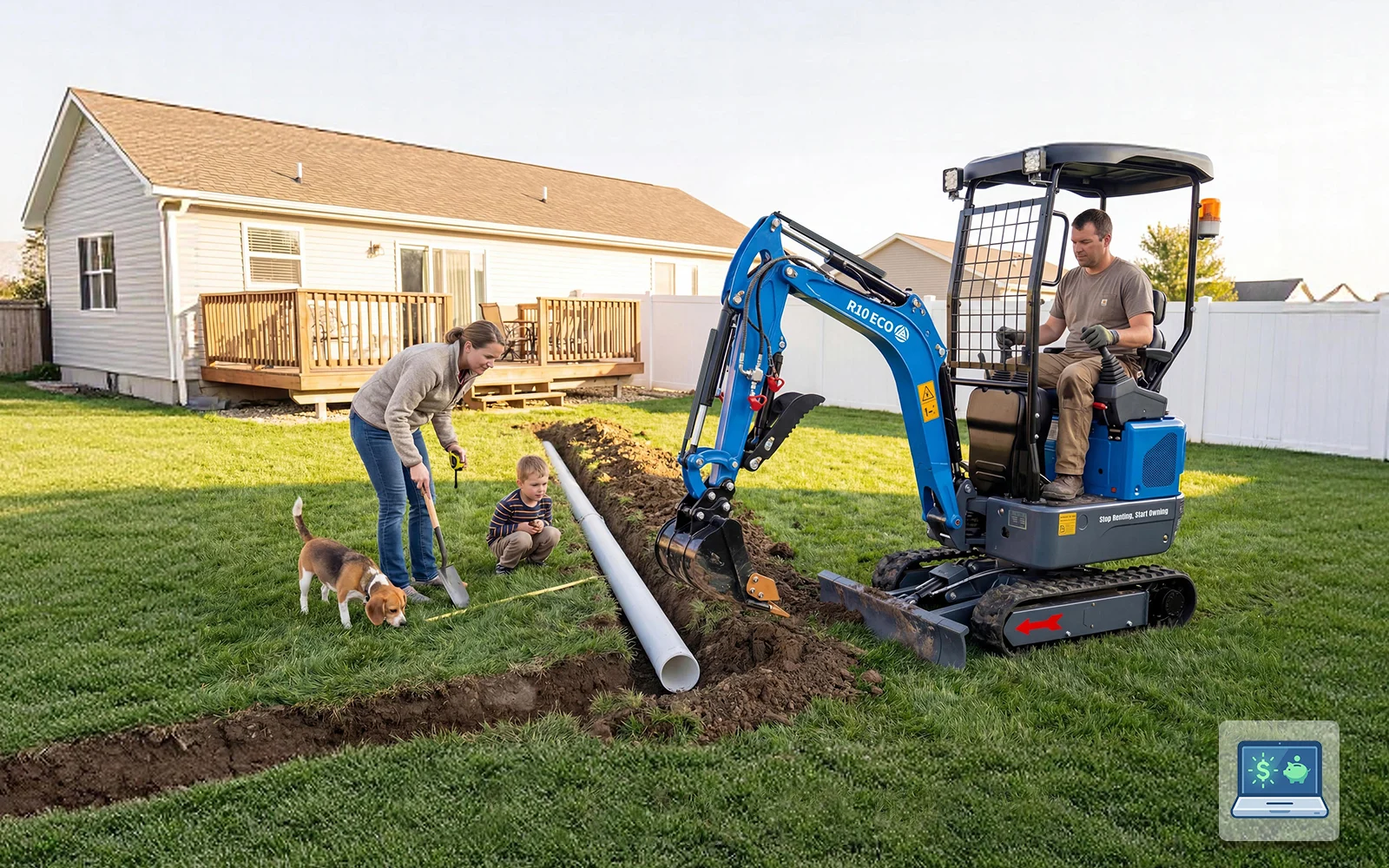
Mini excavator overheating can result from several cooling-system problems, including radiator blockage, low coolant, fan failure, damaged hoses, and water pump issues.
Regular inspection and preventive maintenance help identify these problems before they cause serious equipment damage.
For contractors, rental companies, and equipment dealers, cooling-system maintenance is an important part of protecting machinery investment and reducing downtime.
Monitor engine temperature, maintain the cooling system, and never ignore repeated overheating warnings.

Derechos de autor: Shandong Rippa Machinery Group Co., Ltd.
Representante legal: Yan Huaiguo | N.º de licencia: 913708000509206491
Dirección: n.º 39 de la calle Guangan, subdistrito de Liuhang, Zona de Alta Tecnología, ciudad de Jining, provincia de Shandong

 Inicio
 Productos
 Correo electrónico
 WhatsApp