Nov 27, 2025
This is the most critical step. Don’t just go with the lowest quote from Alibaba. Look for a manufacturer with a proven export track record. Do they have certifications (ISO 9001)? Can they provide CE/EPA documentation? Do they have references or case studies in your region? A company like RIPPA, with established overseas warehouses, is a much safer bet as they are already set up to support international clients.
Incoterms define who pays for what during shipping. For a first-time importer, I highly recommend FOB (Free On Board). This means the supplier gets the machine to the port and loaded on the ship; you handle and pay for the main ocean freight, insurance, and destination costs. It gives you more control over the shipping process.
A good freight forwarder is your best friend in this process. They are logistics experts who will handle the booking, documentation, and coordination between all parties. They can also recommend the best shipping method (container vs. roll-on/roll-off) based on your machine’s size and your timeline.
Your freight forwarder can often handle this, but you need to provide the necessary documents. This typically includes the Commercial Invoice, Packing List, and Bill of Lading. You will need to pay import duties and taxes based on your country’s regulations for construction machinery. Your forwarder will calculate this for you.
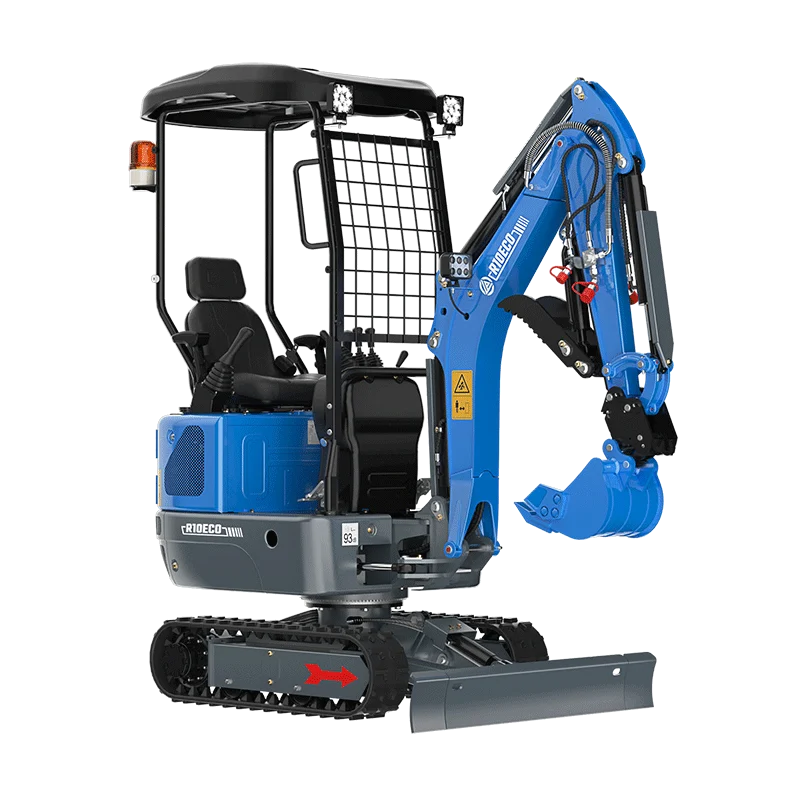
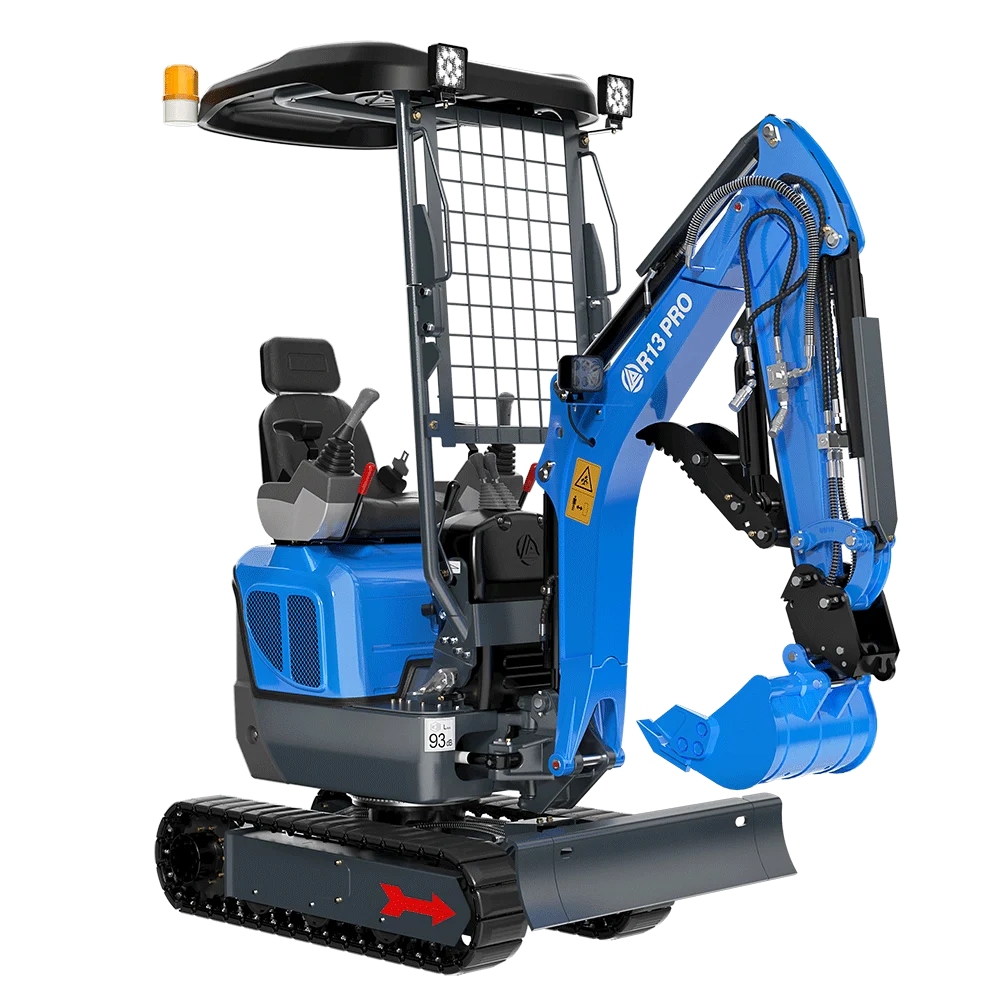
The machine will arrive at a port. You need to arrange for a truck with the right capacity and a lowboy trailer to transport it from the port to your final location. Make sure your site is accessible for a large truck and that you have the means to unload the excavator.
While it requires careful planning, importing directly can be a seamless way to acquire fantastic equipment at an excellent price. With a reliable partner, you’ll wonder why you didn’t do it sooner.


 Inicio
 Productos
 Correo electrónico
 WhatsApp