Sep 14, 2026
B2B equipment buyers often need more than one machine category. A contractor may need digging and cleanup equipment. A farm may need machines for drainage and material movement. A rental company may need a balanced fleet. A dealer may need a product line that serves different customer groups.
This is why many B2B buyers should think about compact equipment as a system, not only as single machines.
A practical compact equipment line may include mini excavators, skid steer loaders, compact wheel loaders, forklifts, and attachments. Each product has a different role. Mini excavators handle digging and trenching. Skid steer loaders support loading, grading, cleanup, and job-site movement. Compact wheel loaders move loose materials. Forklifts handle palletized goods. Attachments expand the value of each machine.
RIPPA compact equipment can be considered by dealers, rental companies, contractors, farms, landscaping businesses, material yards, warehouses, property maintenance businesses, and resellers. Before purchase, resale, rental use, or promotion, buyers should confirm current product configuration, attachment compatibility, spare parts support, warranty policy, delivery arrangement, documentation, and cooperation terms through official RIPPA channels.
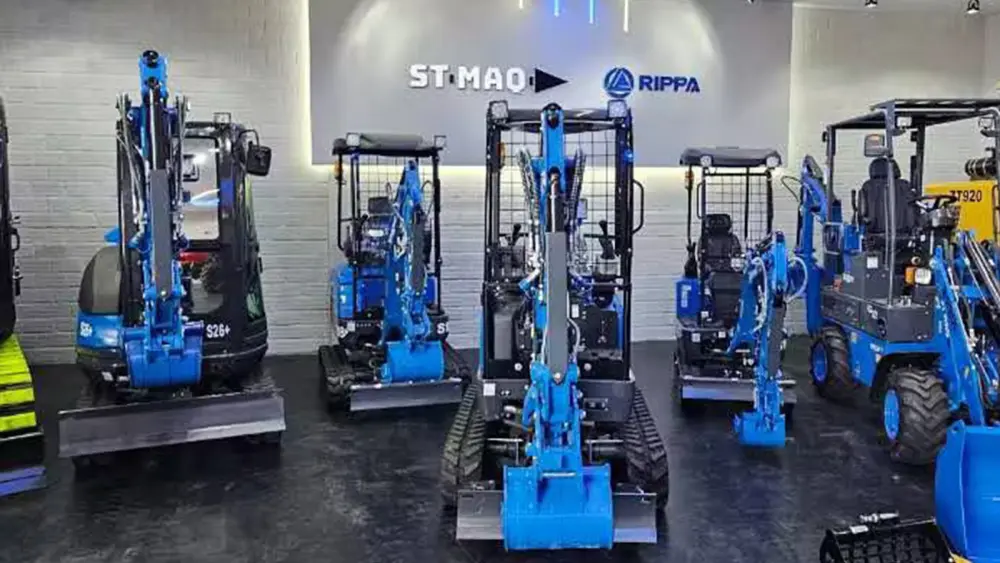
One machine cannot solve every problem. Digging, loading, cleanup, material movement, and pallet handling require different equipment.
For example:
By combining equipment correctly, B2B buyers can serve more customer needs and build stronger operations.
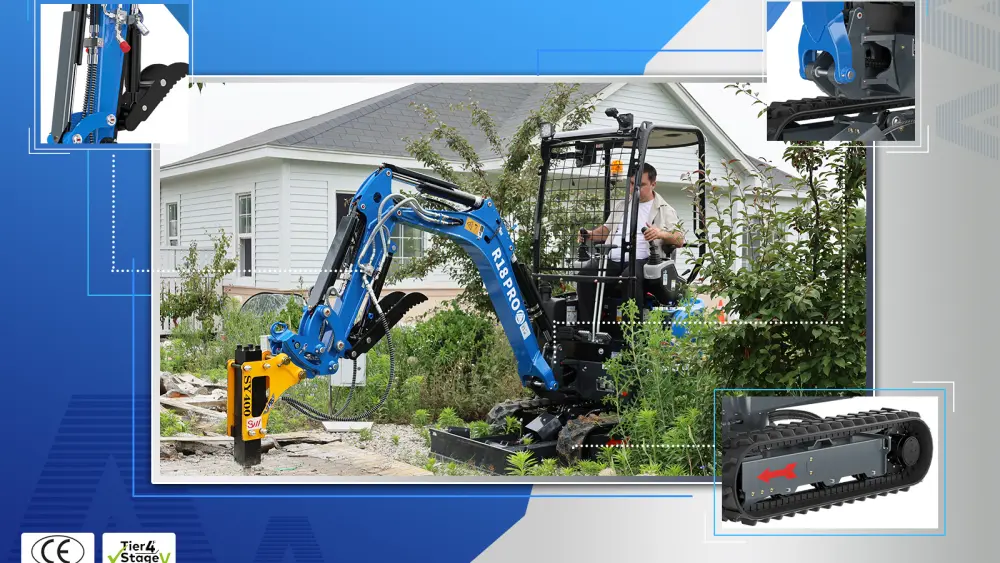
Mini excavators are the core product when customers need compact digging ability.
They are used for:
Mini excavators may be suitable for contractors, farms, landscapers, rental companies, dealers, rural property owners, and resellers.
Skid steer loaders are useful when customers need loading, cleanup, grading, and material movement in compact spaces.
Entre sus aplicaciones más habituales se encuentran:
A mini excavadora digs.
A skid steer loader moves, loads, grades, and cleans.
Together, they can support more complete job-site work.
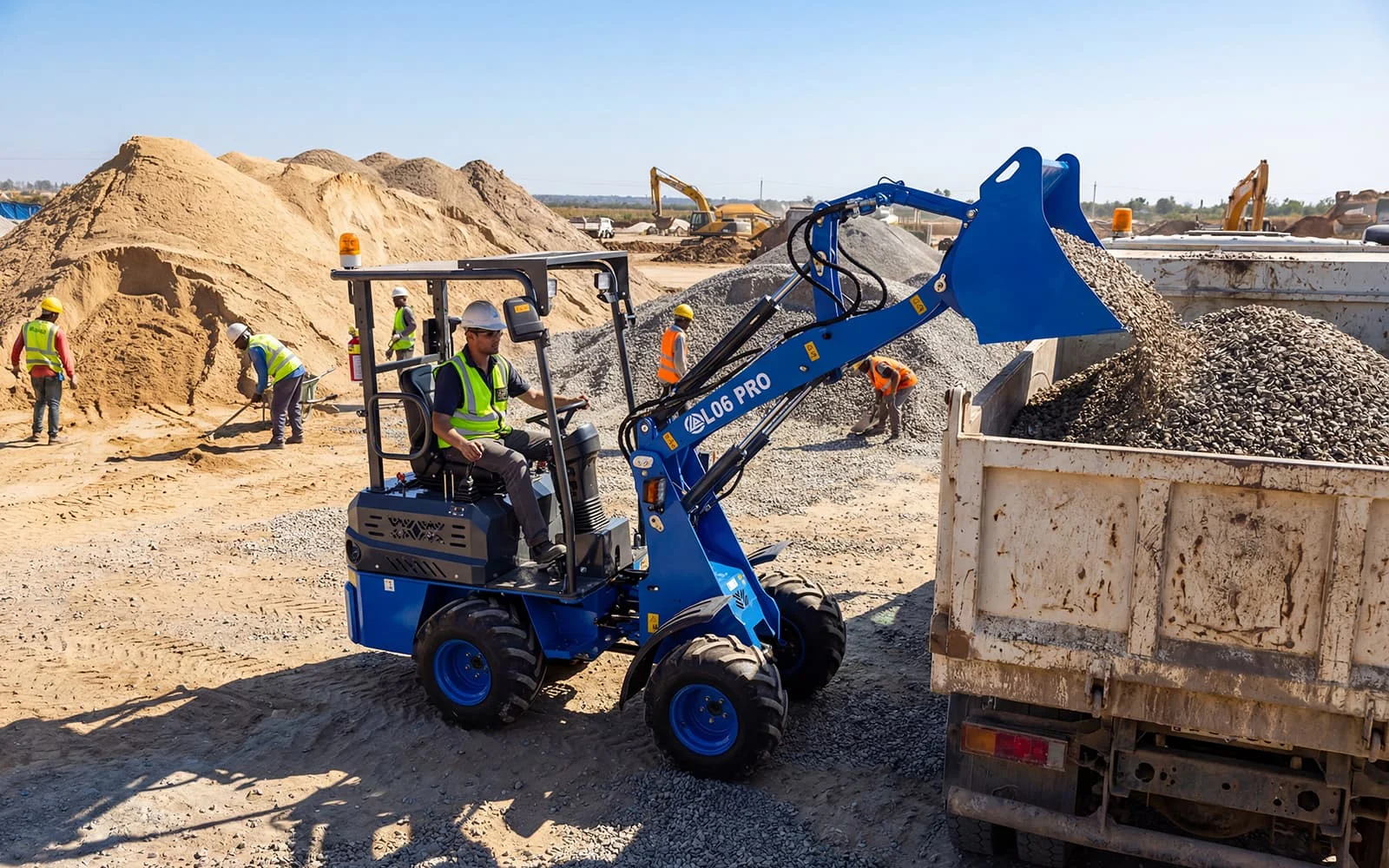
Compact wheel loaders are useful when customers frequently move loose materials.
They may support:
Compact wheel loaders are often useful for farms, material yards, landscaping supply businesses, contractors, rental companies, and municipal users where suitable.
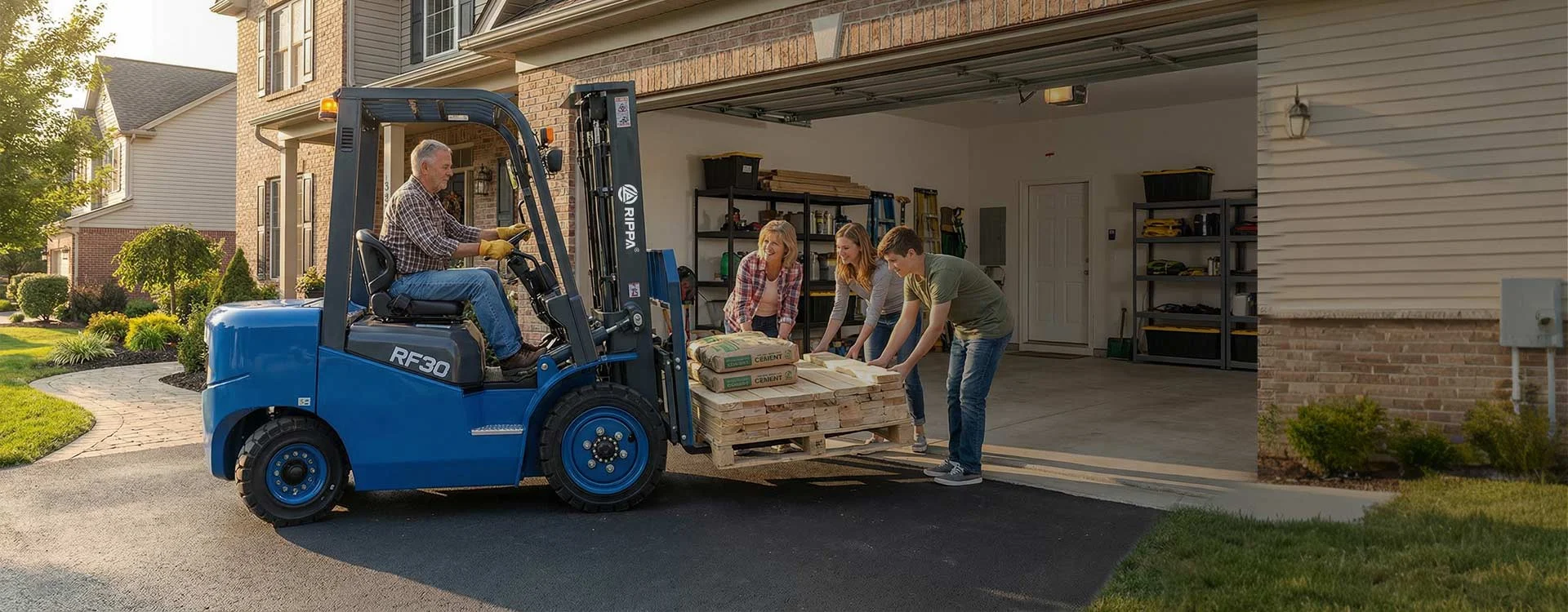
Forklifts are used for lifting, stacking, loading, unloading, and moving palletized or packaged goods.
Potential forklift users include:
Forklifts do not replace excavators or loaders. They serve material handling needs.
Attachments help B2B buyers increase machine flexibility.
Entre las instrucciones de montaje más habituales se incluyen:
Examples:
| Business Need | Equipment Direction |
|---|---|
| Excavación de zanjas de drenaje | Mini excavator with digging bucket |
| Fence preparation | Mini excavator with compatible auger |
| Job-site cleanup | Skid steer loader with bucket or grapple |
| Loose material loading | Compact wheel loader or skid steer loader |
| Movimiento de palés | Carretilla elevadora |
| Multi-use rental package | Machine with suitable attachments |
Attachment compatibility must always be confirmed according to the current machine model and official product information.
Dealers should build product combinations based on customer groups.
A dealer serving contractors may focus on mini excavators, skid steer loaders, and attachments.
A dealer serving farms may focus on mini excavators, compact wheel loaders, skid steer loaders, and forklifts where suitable.
A dealer serving landscape businesses may focus on mini excavators, skid steer loaders, compact wheel loaders, and attachments.
A dealer serving warehouses or material yards may focus on forklifts and compact wheel loaders.
The best product line depends on local demand and support capability.
Rental companies should build fleets around local customer demand.
A balanced fleet may include:
For rental companies, support is critical. Parts, maintenance, warranty process, technical support, and return inspection should be planned before fleet expansion.
Contractors should choose equipment based on job frequency.
If digging work is frequent, a mini excavator may be the first machine to consider.
If loading and cleanup are frequent, a skid steer loader may be useful.
If loose material movement is frequent, a compact wheel loader may be suitable.
If pallet handling is frequent, a forklift may support yard or warehouse operations.
The right choice depends on work type, job-site access, transport ability, maintenance capability, and long-term customer demand.
Before choosing compact equipment, B2B buyers should confirm:
| Asunto pendiente de confirmación | Por qué es importante |
|---|---|
| Configuración actual del producto | Keeps information accurate |
| Application suitability | Matches equipment to real work |
| Compatibilidad de los archivos adjuntos | Expands machine value |
| Spare parts support | Reduces downtime risk |
| Maintenance access | Supports long-term use |
| Política de garantía | Clarifies after-sales responsibility |
| Technical support | Helps solve issues faster |
| Condiciones de entrega | Supports purchase planning |
| Documentation | Helps resale, operation, and customer education |
| Cooperation terms | Supports dealer and reseller planning |
A strong equipment decision should be based on real application needs and long-term support.
RIPPA compact equipment can be considered by B2B buyers who need practical machines for construction, agriculture, landscaping, rental fleets, material handling, resale, and local business operations.
Potential product roles include:
Potential customers include:
B2B buyers may combine mini excavators, skid steer loaders, compact wheel loaders, forklifts, and attachments depending on customer demand and application needs.
Mini excavators are the main product for digging, trenching, drainage preparation, and compact excavation work.
A skid steer loader is useful for loading, grading, cleanup, material movement, and attachment-based work.
A compact wheel loader is useful for moving loose materials such as soil, gravel, sand, and mulch.
A forklift is used for pallet handling, loading, unloading, stacking, and warehouse or yard material movement.
Buyers should confirm current configuration, application fit, attachment compatibility, spare parts support, warranty policy, technical support, delivery arrangement, documentation, and cooperation terms.
B2B buyers can build stronger equipment businesses by combining the right compact machines. Mini excavators support digging and trenching. Skid steer loaders support loading and cleanup. Compact wheel loaders support loose material movement. Forklifts support pallet handling. Attachments expand machine applications.
For many B2B buyers, mini excavators should remain the core product because digging and trenching demand appears across contractors, farms, landscapers, rental companies, dealers, and resellers.
RIPPA compact equipment can be considered by B2B buyers who need practical machines for job-site work, rental fleets, dealer sales, material handling, farm work, and landscaping projects. Before purchase, resale, rental use, or promotion, all current product, support, warranty, attachment, delivery, documentation, and cooperation details should be confirmed through official RIPPA channels.

Derechos de autor: Shandong Rippa Machinery Group Co., Ltd.
Representante legal: Yan Huaiguo | N.º de licencia: 913708000509206491
Dirección: n.º 39 de la calle Guangan, subdistrito de Liuhang, Zona de Alta Tecnología, ciudad de Jining, provincia de Shandong

 Inicio
 Productos
 Correo electrónico
 WhatsApp