oct. 03, 2026
Before purchasing commercial equipment, B2B buyers should check how spare parts, routine maintenance, technical support, product documentation, attachment compatibility, warranty communication, machine identification and future service requests will be handled.
This applies whether the buyer is purchasing:
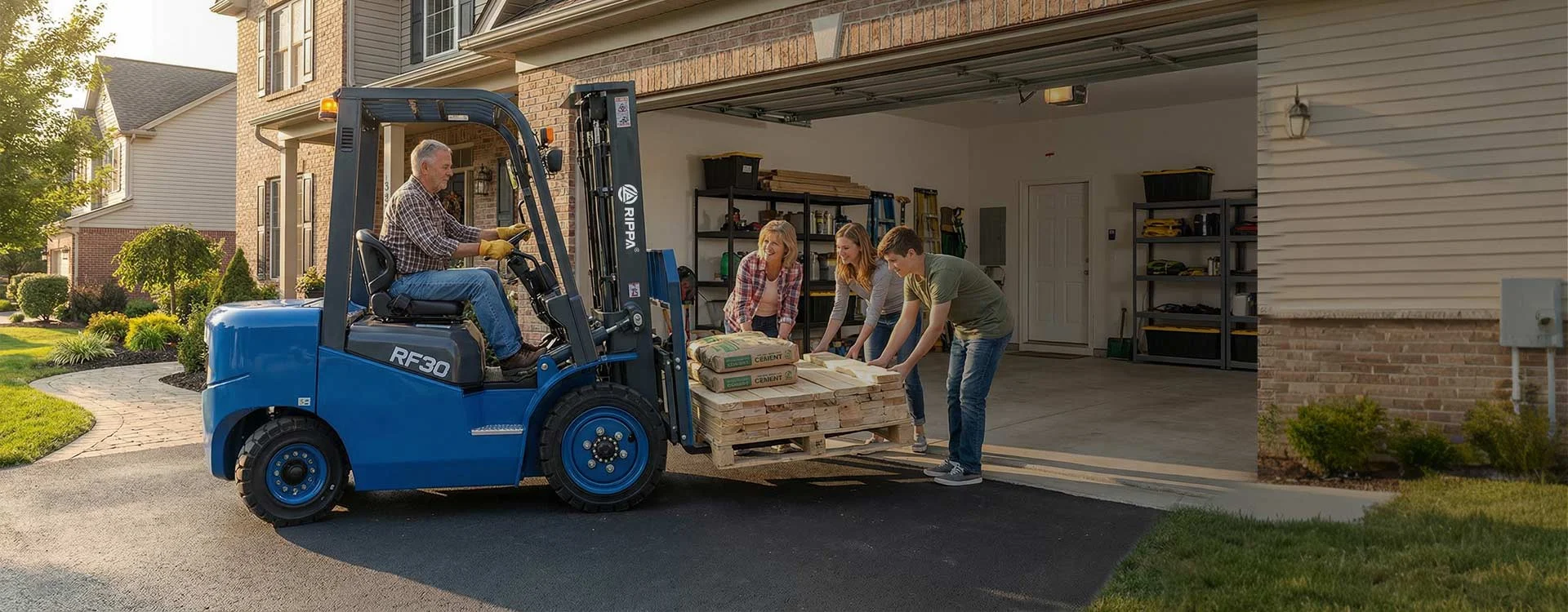
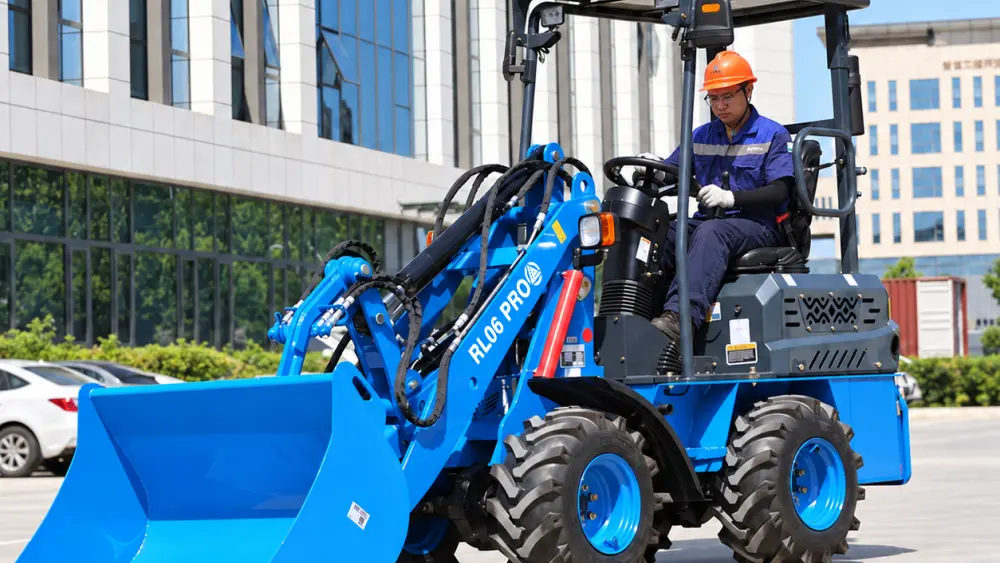
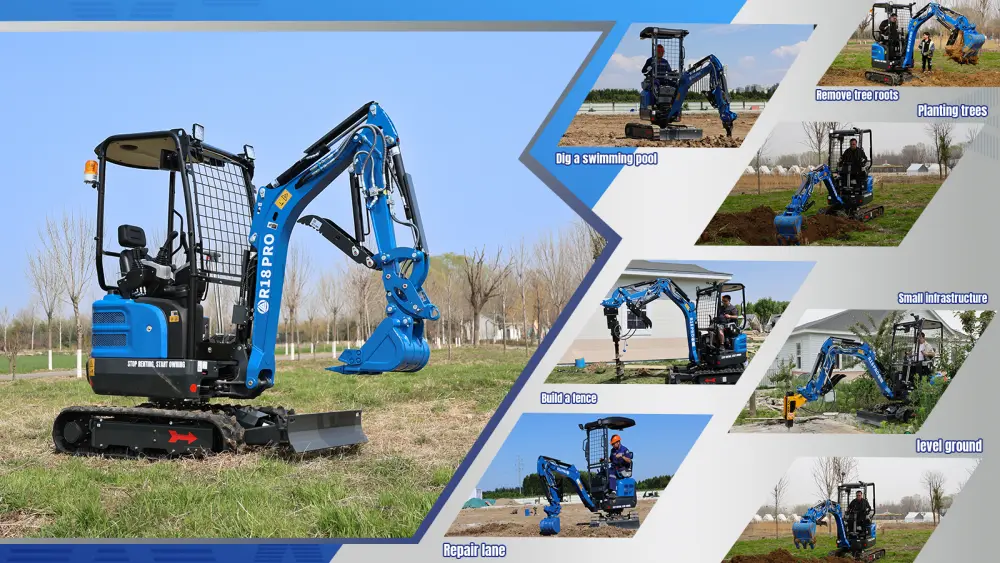
RIPPA’s current official catalog includes Mini excavator, Skid Steer, Wheel Loader and Rippa Forklift categories, along with several other equipment types.
Different equipment categories create different service needs, so B2B buyers should evaluate after-sales support before placing a large order rather than waiting until the first machine requires maintenance or repair.
Commercial equipment is purchased to work.
If the machine is unavailable, the business may be affected.
For a contractor, downtime may delay a project.
For a rental company, it may mean a machine cannot be rented.
For a farm, maintenance work may be delayed.
For a dealer, an unresolved customer issue can damage the relationship.
For a warehouse or material-handling business, unavailable equipment may disrupt daily operations.
This is why purchase price should be only one part of supplier evaluation.
Before purchasing equipment, buyers should understand:
This becomes more important as the number of machines increases.
A buyer may say:
“I need a filter for my excavator.”
That may not be enough information.
The supplier or dealer may need:
Equipment can change over time.
A correct machine record helps reduce the risk of ordering the wrong part.
Exact requirements depend on the machine, but buyers may need to plan for categories such as:
The buyer does not necessarily need to stock everything.
The objective is to understand what is commonly required and how quickly it can be obtained.
Dealers with a growing machine population may benefit from keeping selected frequently used parts locally.
However, stocking every component is usually unnecessary.
Dealers can divide inventory into:
Possible candidates for local inventory.
Can potentially remain order-on-demand.
The decision should consider:
Commercial buyers should understand routine maintenance before equipment enters service.
Useful information may include:
A rental company may need to incorporate this information into its fleet inspection system.
A contractor may need to train employees.
A dealer may need to explain maintenance to customers.
Rental machines may operate:
This creates additional inspection requirements.
Rental businesses should plan for:
The machine should fit the rental company’s operational system, not just its purchasing budget.
Technical support may include assistance with:
Not every problem can or should be solved remotely.
Some issues may require qualified local inspection or repair.
What matters is having a clear process for determining the next step.
When reporting a problem, buyers can prepare:
A message saying only:
“Machine doesn’t work.”
provides limited diagnostic information.
Structured information can make technical communication more efficient.
Suppose a customer says:
“Send me a hydraulic pump.”
There are two possibilities.
The component has already been correctly identified.
The request can be processed as a parts order.
The machine has a hydraulic problem and the customer assumes the pump is responsible.
This may require technical diagnosis first.
Separating these cases can prevent unnecessary component replacement.
Attachments create their own compatibility questions.
A dealer may need to confirm:
This is especially important for equipment such as mini excavators and skid steer loaders, where one base machine may operate several different tools.
A dealer should not assume that every attachment marketed for the same equipment category fits every machine.
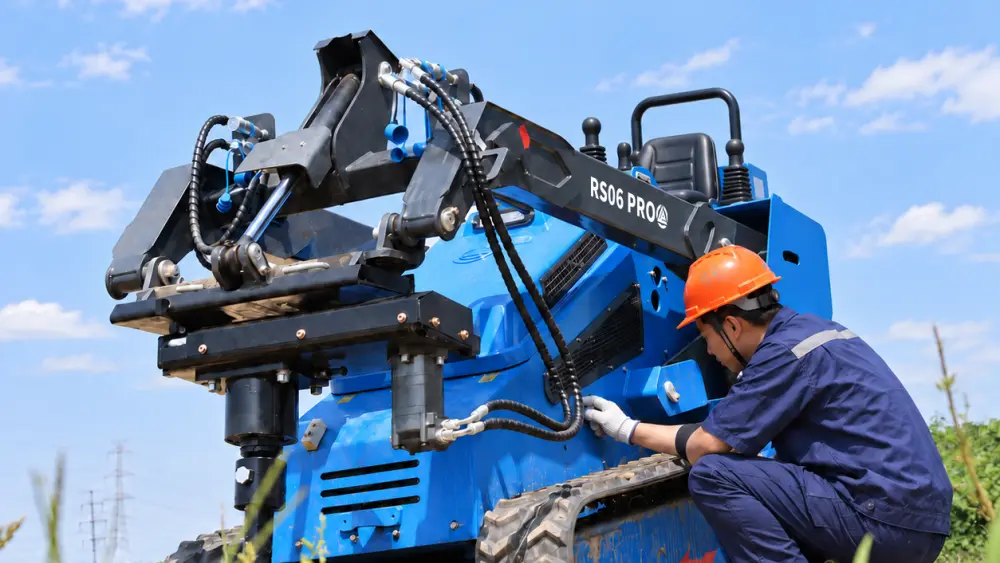
Typical support topics may involve:
Possible support areas include:
Possible areas include:
Potential support areas include:
These are different machines.
A supplier should not treat their support requirements as identical simply because they appear in the same catalog.
Manufacturers may update equipment during the life of a product line.
RIPPA’s official Product & Technology Updates section currently contains 2026 notices covering changes to particular excavator and skid steer components and configurations.
For dealers, this means an older machine and a newer machine with the same general model name may require careful identification before ordering certain components.
Current documentation matters.
Useful documentation may include:
Availability can vary by product and market.
B2B buyers should confirm what is provided for the specific machines being purchased.
Dealers can maintain records such as:
| Information | Why It Helps |
|---|---|
| Customer | Identifies machine owner |
| Model | Supports parts lookup |
| Machine identification | Helps confirm configuration |
| Delivery date | Provides service history context |
| Anexe | Helps compatibility support |
| Parts supplied | Creates maintenance history |
| Technical cases | Helps future troubleshooting |
This becomes increasingly useful as hundreds of machines enter the local market.
Warranty terms should be confirmed directly rather than assumed.
Questions may include:
B2B dealers should understand these procedures before explaining warranty to their own customers.
No.
Commercial machinery can experience:
These situations may be treated differently.
The correct process is to document the problem and evaluate it under the current applicable terms rather than promising coverage before the issue has been reviewed.
Customers may accept that a technical issue requires investigation.
What creates frustration is often not knowing what is happening.
A dealer or supplier should have a process for communicating:
Clear communication helps manage commercial downtime more effectively.
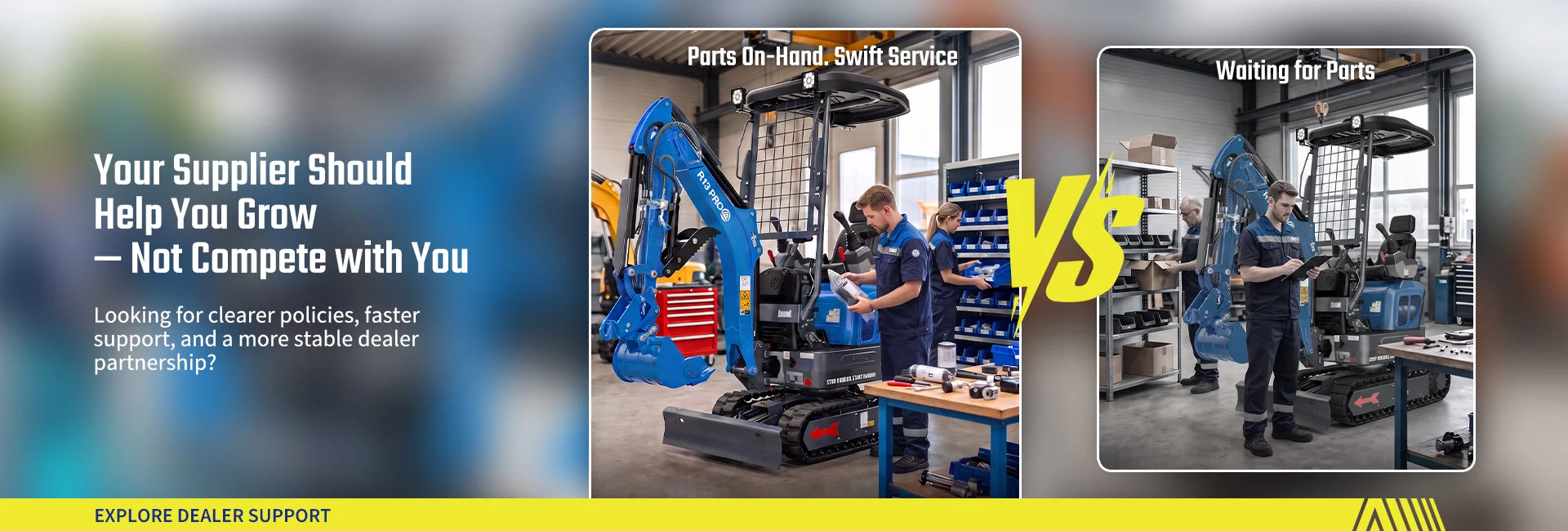
Rental businesses should pay particular attention to:
A rental fleet can contain several units, so a support problem may affect more than one machine.
Dealers should evaluate:
The supplier becomes part of the dealer’s own after-sales infrastructure.
Contractors should confirm:
For a contractor, downtime may directly affect customer projects.
Farm-focused businesses should consider:
Farm customers may operate far from major service centers, making planning especially important.
A supplier comparison can include:
| Support Area | Question |
|---|---|
| Parts | Can correct components be identified and ordered? |
| Întreținere | Is current service information available? |
| Technical support | Is there a defined communication process? |
| Anexe | Can compatibility be verified? |
| Documentation | Is useful machine information available? |
| Warranty | Are terms and procedures clear? |
| Updates | How are product changes communicated? |
| Logistics | How are parts delivered? |
| Dealer support | Can the process scale with more machines? |
Purchase price can then be evaluated alongside the complete support structure.
Not necessarily.
A lower initial purchase price may be attractive, but commercial buyers should also consider what happens after the machine begins operating.
Potential business costs can include:
This does not mean a higher-priced machine is automatically better.
It means B2B buyers should evaluate the complete operating relationship rather than the purchase price alone.
RIPPA’s current official catalog includes multiple product categories, including mini excavators, skid steers, wheel loaders and forklifts.
Before placing commercial orders, B2B buyers should confirm current information regarding:
These should be verified for the specific machine rather than assumed to apply identically across the full product range.
Spare parts, maintenance information, technical support, warranty procedures, product documentation and attachment compatibility are among the main areas to evaluate.
Because parts availability can affect equipment downtime and long-term operation.
No. Local inventory can be based on machine population, demand frequency, cost and supplier lead time.
They help dealers select the correct parts and technical information for a specific machine configuration.
Yes. Excavators, skid steer loaders, wheel loaders and forklifts have different components, applications and maintenance requirements.
Because technical changes may affect parts, attachments, maintenance or other machine-specific information.
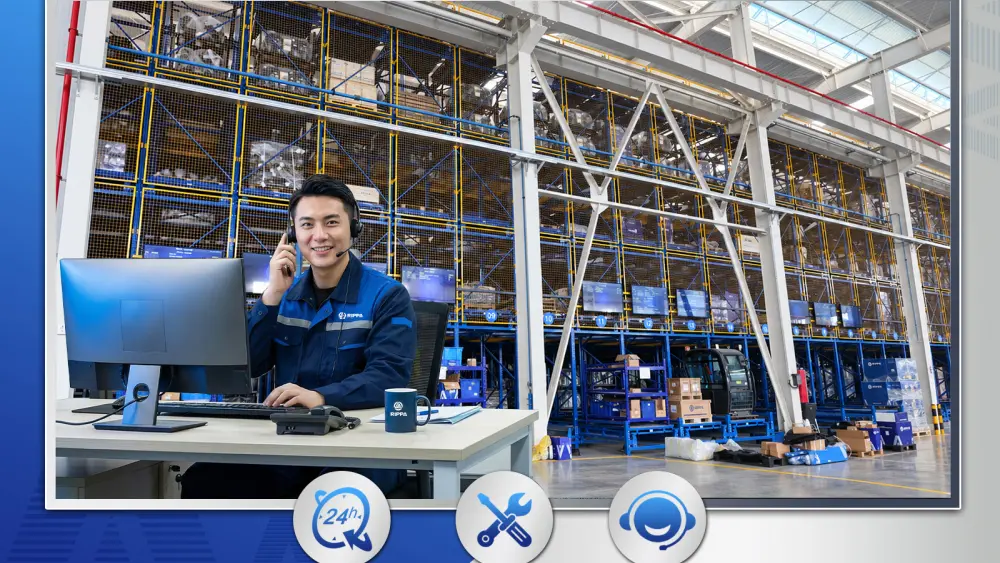
B2B buyers should evaluate after-sales support before purchasing compact equipment, not after the first problem occurs.
A complete support system should address:
RIPPA’s current product portfolio covers several machinery categories, so buyers and dealers should evaluate support requirements on a product-by-product basis.
For commercial equipment buyers, the purchase is only the beginning.
The stronger B2B equipment relationship is one in which the machine can be identified, maintained, supported and kept productive throughout its working life.

Drepturi de autor: Shandong Rippa Machinery Group Co., Ltd.
Reprezentant legal: Yan Huaiguo | Nr. licență: 913708000509206491
Adresă: Str. Guangan nr. 39, subdistrictul Liuhang, Zona de Înaltă Tehnologie, orașul Jining, provincia Shandong

 Acasă
Acasă
 Produse
 E-mail
 WhatsApp