aug. 27, 2026
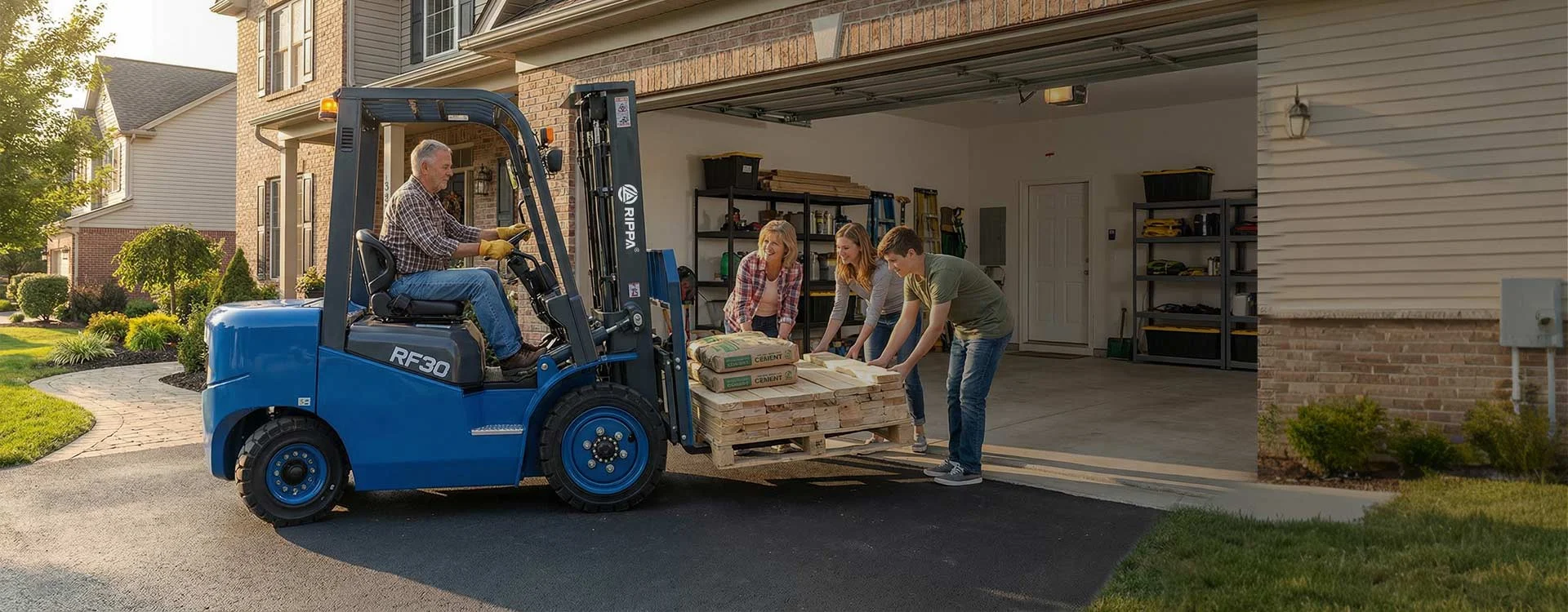
Forklifts are one of the most important machines in material handling. While excavators, skid steer loaders, and wheel loaders are often used for construction, farming, landscaping, and outdoor work, forklifts are designed for a different but equally important purpose: lifting, moving, loading, unloading, stacking, and organizing materials.
For warehouses, logistics companies, factories, farms, building material yards, rental businesses, and equipment dealers, forklifts can directly affect daily operating efficiency. A business that handles pallets, packaged goods, parts, boxes, supplies, or warehouse inventory often depends on forklifts to keep work moving.
RIPPA forklifts can be considered by B2B customers that need practical material handling equipment for warehouses, farms, logistics operations, dealer yards, storage facilities, and industrial work environments. Before purchase, resale, rental use, or promotion, buyers should confirm current configuration, load capacity information, working environment suitability, power type, spare parts support, warranty policy, delivery arrangement, documentation, and service terms through official RIPPA channels.
A forklift is a material handling machine designed to lift and move loads over short distances. It is commonly used to move pallets, load trucks, organize warehouses, transport packaged goods, and support daily logistics or storage operations.
Forklifts are widely used in:
The value of a forklift comes from its ability to move materials faster, reduce manual handling, improve storage organization, and support loading and unloading work.
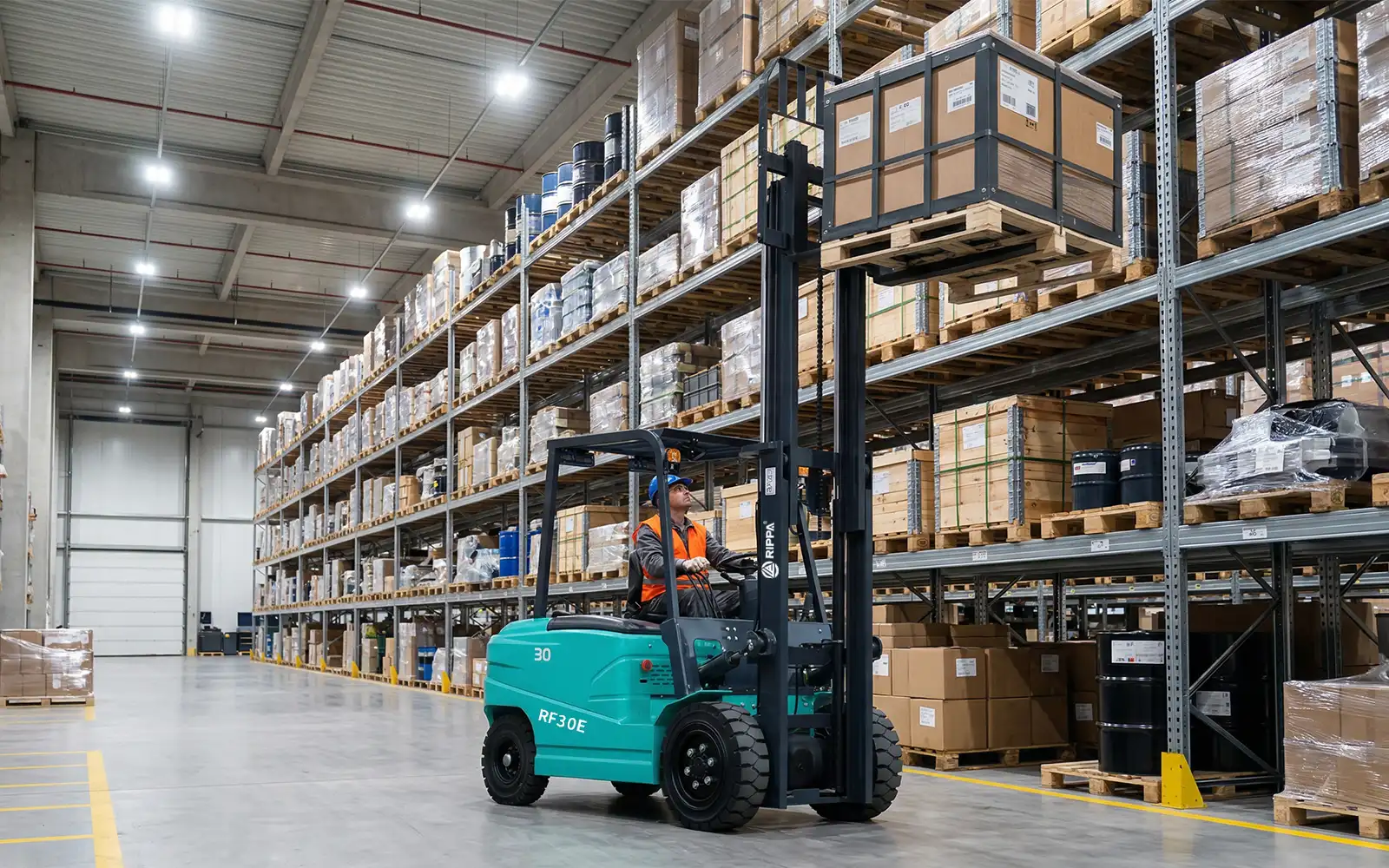
Forklifts are used for a wide range of material handling tasks.
Printre aplicațiile obișnuite se numără:
In many businesses, forklifts are part of the daily workflow. Without the right material handling equipment, goods may move more slowly, labor costs may increase, and loading or storage work may become less efficient.
Warehouses rely on efficient movement of goods. Materials must be received, stored, moved, picked, packed, loaded, and shipped. A forklift helps move heavy or palletized items more quickly than manual labor.
Warehouse forklift applications include:
| Sarcină în depozit | Cum te ajută un stivuitor |
|---|---|
| Truck unloading | Moves palletized goods from trucks to storage areas |
| Inventory movement | Transfers goods between warehouse zones |
| Storage organization | Helps stack and arrange materials |
| Order preparation | Supports picking and staging work |
| Încărcarea camioanelor | Moves goods from storage to shipping areas |
| Internal transfer | Moves materials across the facility |
| Space utilization | Helps organize vertical or pallet storage where suitable |
For warehouse operators, the right forklift should match aisle space, load requirements, floor conditions, lifting height, operator skill, maintenance ability, and safety requirements.
A forklift that is too small may not handle daily loads effectively. A forklift that is too large may be difficult to operate in limited spaces. The right choice should be based on the actual working environment.
Logistics companies and distribution centers handle goods continuously. Speed and reliability are important because delays can affect delivery schedules, truck loading times, and customer satisfaction.
Forklifts can help logistics businesses:
For these customers, uptime is especially important. A forklift that is waiting for parts or service can slow down operations. Buyers should confirm spare parts support, maintenance information, warranty policy, and technical support before purchase.
Factories and manufacturing facilities often use forklifts to move raw materials, parts, semi-finished goods, finished products, packaging materials, and production supplies.
Common factory applications include:
A factory forklift should be selected based on load type, working environment, aisle width, indoor or outdoor use, lifting height, operating frequency, and maintenance support.
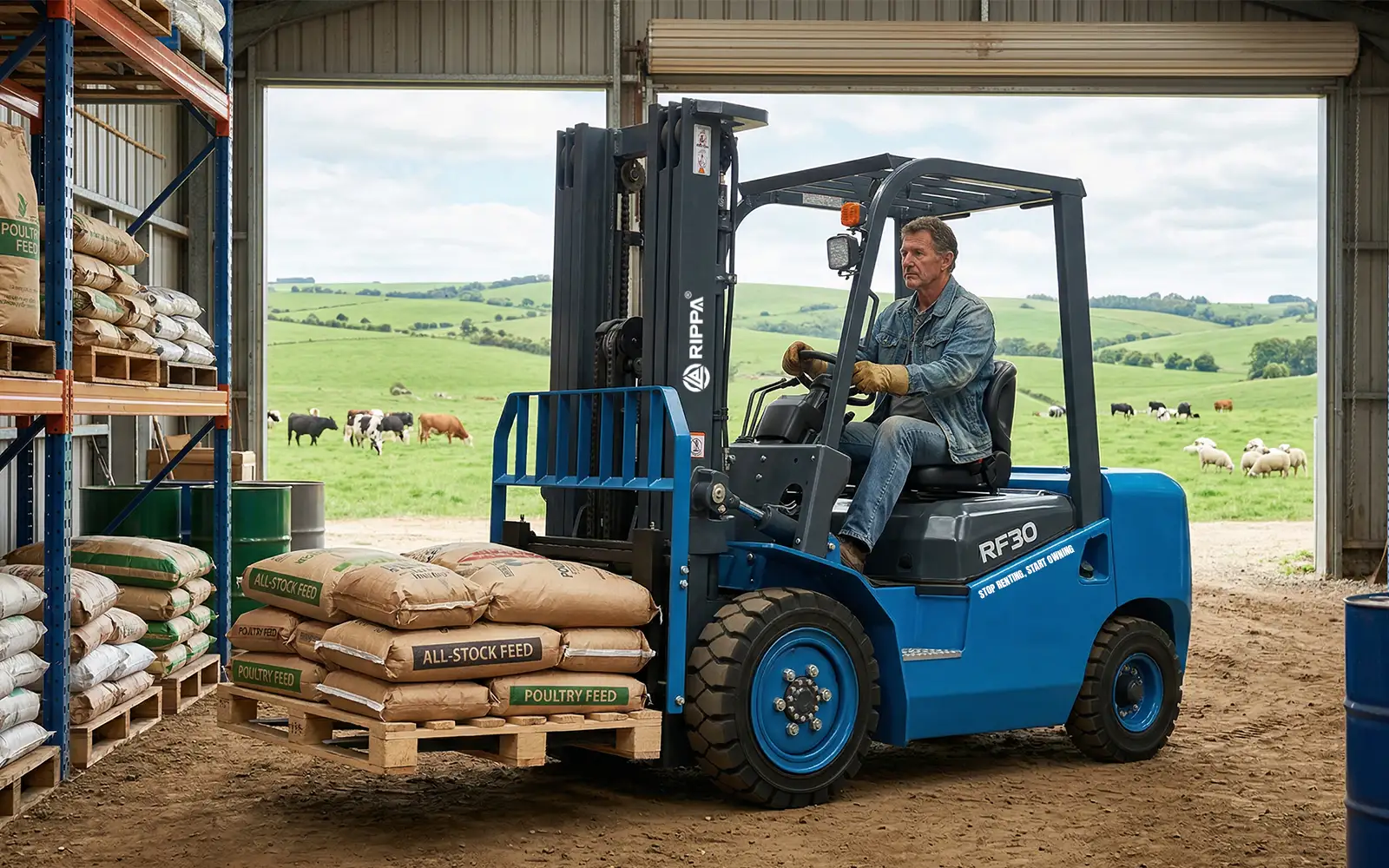
Forklifts are not only used in warehouses. Farms and agricultural businesses may also need forklifts for moving palletized supplies, packaged feed, fertilizer, seed, parts, boxed products, and storage materials.
Possible farm and agricultural applications include:
For farms, the working environment may be different from a warehouse. Ground conditions, surface quality, indoor or outdoor use, and storage layout should be considered before choosing a forklift.
Farm equipment dealers may also consider forklifts as part of a broader B2B equipment product line, especially if they serve customers who handle supplies, packaged goods, or storage operations.
Building material yards, equipment dealerships, and machinery yards often handle heavy, irregular, or palletized materials. Forklifts can help move inventory, load customer vehicles, organize storage areas, and support daily yard operations.
Potential users include:
For dealers, forklifts may serve two roles. First, the dealer may use forklifts internally for yard or warehouse operations. Second, the dealer may sell or rent forklifts to local businesses with similar material handling needs.
This makes forklifts useful not only as equipment, but also as a business category.
Rental companies may add forklifts to serve customers who need temporary lifting or material handling equipment.
Rental forklift customers may include:
For rental companies, the same rule applies as with other equipment: uptime matters. A forklift must be ready, safe, supportable, and suitable for customer needs.
Rental companies should confirm:
Forklifts serve a different core purpose from other compact equipment.
| Product | Main Function | Utilizare tipică |
|---|---|---|
| excavator / Mini excavator | Săpături și realizarea de șanțuri | Drainage, excavation, construction, farm work |
| Skid Steer Loader | Loading, grading, cleanup | Landscaping, job-site work, farmyard support |
| Compact Wheel Loader | Material movement | Farms, yards, construction sites, bulk material handling |
| Stivuitor | Lifting and moving palletized loads | Warehouses, logistics, factories, farms, yards |
A dealer or rental company may offer several of these products, but each one solves a different customer problem. Forklifts are strongest when customers need to lift, stack, load, unload, and organize materials.
Before buying or reselling a forklift, buyers should evaluate their real working conditions.
Printre întrebările importante se numără:
The best forklift is not simply the cheapest or largest machine. It is the machine that fits the customer’s daily material handling work.
Forklift downtime can affect daily operations. If a warehouse cannot move goods or a dealer cannot load materials, the business may lose time, create delays, or increase labor pressure.
Buyers should confirm:
For dealers and rental companies, parts and service support are especially important because they must support their own customers after sale or rental.
RIPPA forklifts can be considered by businesses that need practical material handling equipment for warehouse, logistics, farm, yard, factory, or dealer operations.
Potential B2B customers include:
RIPPA’s broader compact equipment line may also include excavators, skid steer loaders, wheel loaders, and attachments depending on current product availability. For customers focused on warehouse and yard handling, forklifts should remain the main product.
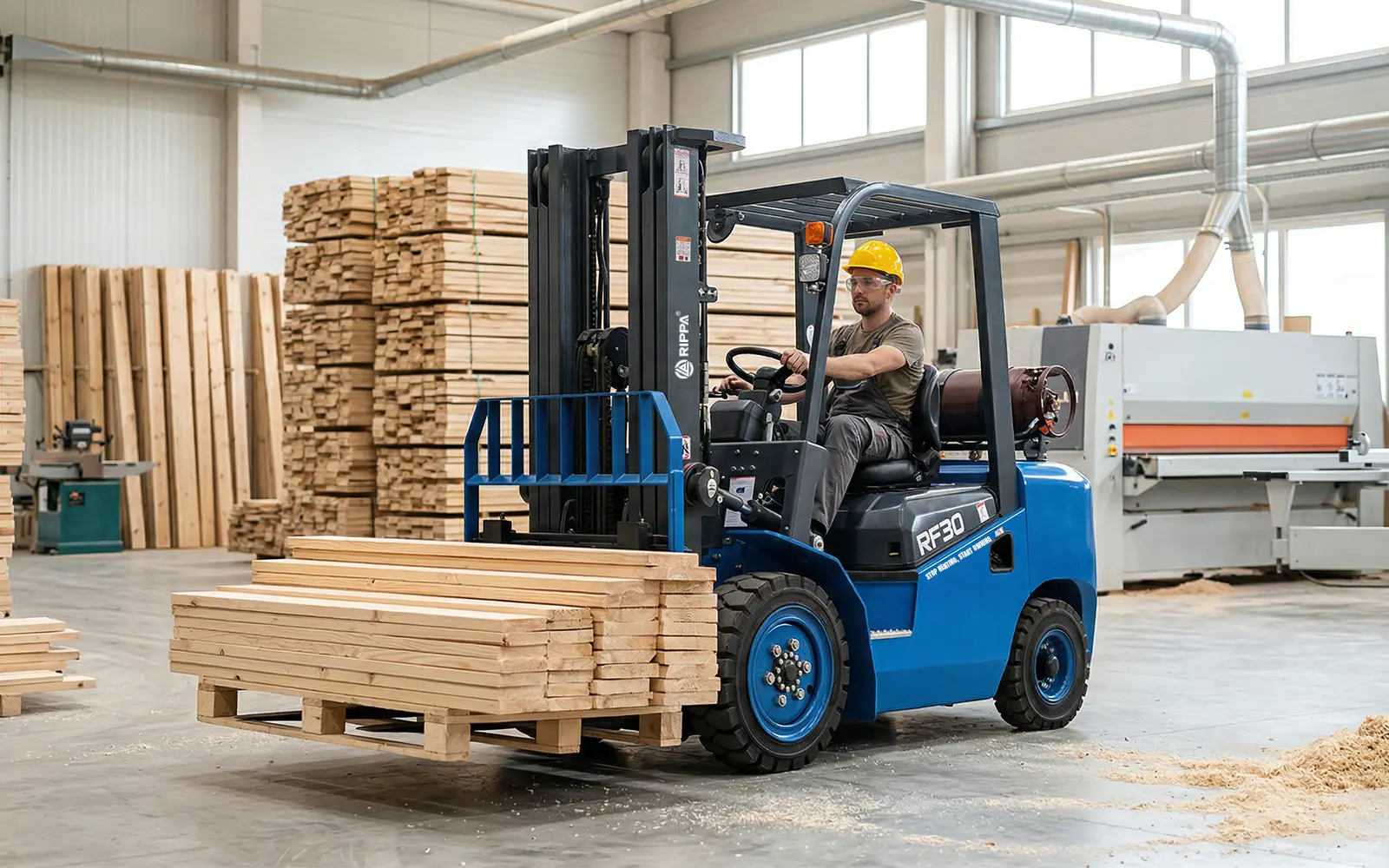
A forklift is used for lifting, moving, loading, unloading, stacking, and organizing materials. It is commonly used in warehouses, logistics centers, factories, farms, building material yards, and dealer operations.
Yes. Farms and agricultural businesses may use forklifts for palletized supplies, packaged feed, parts, storage materials, and loading or unloading work where suitable.
Yes. Rental companies may offer forklifts to customers who need temporary material handling equipment for warehouses, events, factories, farms, yards, or logistics operations.
A forklift is mainly designed for lifting and moving palletized or packaged materials. A wheel loader is mainly used for loading and moving loose materials such as soil, gravel, sand, or mulch.
Buyers should confirm load capacity, lifting height, working environment, power type, ground conditions, spare parts support, warranty policy, service process, delivery arrangement, and documentation.
RIPPA forklifts may fit B2B customers with material handling needs, but current configuration, capacity information, support terms, warranty policy, delivery arrangement, and documentation should be confirmed before purchase or promotion.
Stivuitoare are essential machines for businesses that handle materials every day. Warehouses, logistics companies, factories, farms, building material yards, equipment dealerships, and rental businesses may all need forklifts to improve efficiency, reduce manual handling, organize storage, and support loading operations.
For dealers and rental companies, forklifts can also become a valuable B2B product category because they serve customers beyond traditional construction machinery.
RIPPA forklifts can be considered by customers who need practical material handling equipment. Before purchase, resale, rental fleet use, or promotion, all current configuration, capacity information, support policy, warranty terms, documentation, and delivery details should be confirmed through official RIPPA channels.

Drepturi de autor: Shandong Rippa Machinery Group Co., Ltd.
Reprezentant legal: Yan Huaiguo | Nr. licență: 913708000509206491
Adresă: Str. Guangan nr. 39, subdistrictul Liuhang, Zona de Înaltă Tehnologie, orașul Jining, provincia Shandong

 Acasă
Acasă
 Produse
 E-mail
 WhatsApp