ago 26, 2026
Compact equipment has become an important product category for dealers, rental companies, contractors, farm equipment sellers, landscape equipment businesses, and local machinery resellers. Many customers no longer need only large machines for heavy construction. They also need practical compact equipment that can work in farms, residential properties, landscaping projects, small job sites, warehouses, rental fleets, and local maintenance work.
For machinery businesses, this creates a clear opportunity. Dealers and rental companies can build stronger revenue by offering machines that solve common daily problems: digging, trenching, loading, lifting, moving materials, cleaning job sites, maintaining land, and supporting small construction work.
RIPPA compact equipment can be considered by businesses that want to expand their product line with practical machinery for multiple customer groups. The product range may include mini excavators, excavators, skid steer loaders, compact wheel loaders, forklifts, attachments, and other compact machinery depending on current product availability and market policy.
Before purchasing, reselling, importing, or promoting RIPPA machines, dealers and business buyers should confirm current product configuration, attachment compatibility, spare parts support, warranty policy, delivery arrangement, documentation, and cooperation terms through official RIPPA channels.
Compact equipment is attractive because it serves a wide range of customers. A single dealer or rental company can use compact machines to reach contractors, farmers, landscapers, warehouse operators, property owners, rural businesses, municipal users, and small construction companies.
Unlike highly specialized machines, compact equipment is often connected to everyday work.
Common customer needs include:
These jobs appear in many markets. That makes compact equipment useful for businesses that want to build repeat sales, rental demand, attachment sales, spare parts orders, and long-term customer relationships.
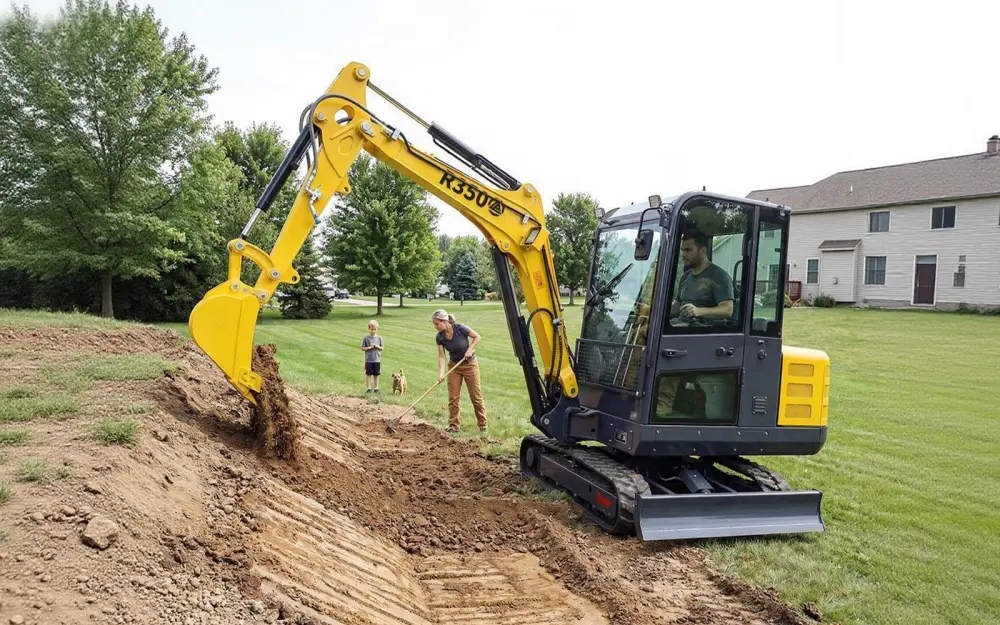
For many dealers and rental companies, mini excavators should be one of the first compact equipment categories to consider. Mini excavators are practical because digging demand exists across many industries.
Customers may use mini excavators for:
| Customer Type | Common Application |
|---|---|
| Empresas contratadas | Trenching, site preparation, repair work |
| Paisagistas | Drainage, grading, planting, hardscape preparation |
| Farmers | Ditch cleaning, fencing, drainage, land maintenance |
| Proprietários de imóveis | Driveway repair, yard work, outdoor improvement |
| Empresas de aluguel | Short-term digging projects |
| Rural businesses | Farm roads, drainage, utility preparation |
| Small construction companies | Compact excavation and job-site support |
Mini excavators are especially valuable because many customers need excavation work but do not always need large equipment. A compact machine can help them complete smaller jobs more efficiently.
For dealers, mini excavators can create revenue through machine sales, attachments, spare parts, maintenance support, repeat customers, and reseller opportunities.
For rental companies, mini excavators can create rental demand from contractors, landscapers, farms, property owners, and local service businesses.
Skid steer loaders can support customers who need loading, grading, cleaning, material movement, and attachment-based work. They are useful for contractors, landscapers, farms, rental companies, and property maintenance businesses.
As aplicações comuns das minicarregadeiras incluem:
For dealers, skid steer loaders can complement mini excavators. A customer may use a mini escavadeira to dig and a skid steer loader to move or clean up material. This creates package opportunities for businesses that want to sell or rent multiple compact machines.
However, skid steer loaders should not be positioned as replacements for mini excavators. They serve different core functions. Mini excavators are stronger for digging and trenching, while skid steer loaders are stronger for loading, cleanup, and material movement.
Compact wheel loaders are useful when customers need to move loose materials efficiently. They can fit farms, material yards, landscaping suppliers, municipal users, construction sites, and property maintenance businesses.
Common compact wheel loader applications include:
For businesses that already sell or rent compact machines, wheel loaders can become a useful extension. They serve customers who need material movement rather than excavation.
A dealer may position compact wheel loaders for customers who say:
Compact wheel loaders can work well beside mini excavators and skid steer loaders in a broader compact equipment product strategy.
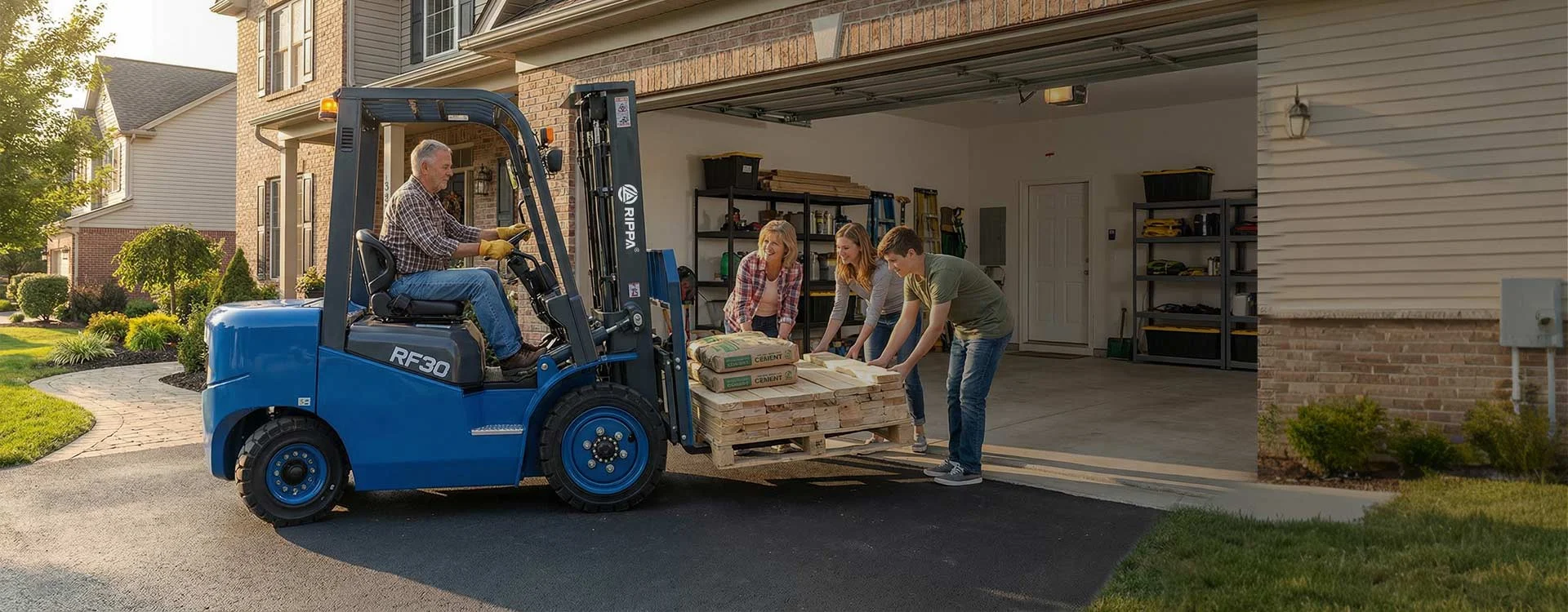
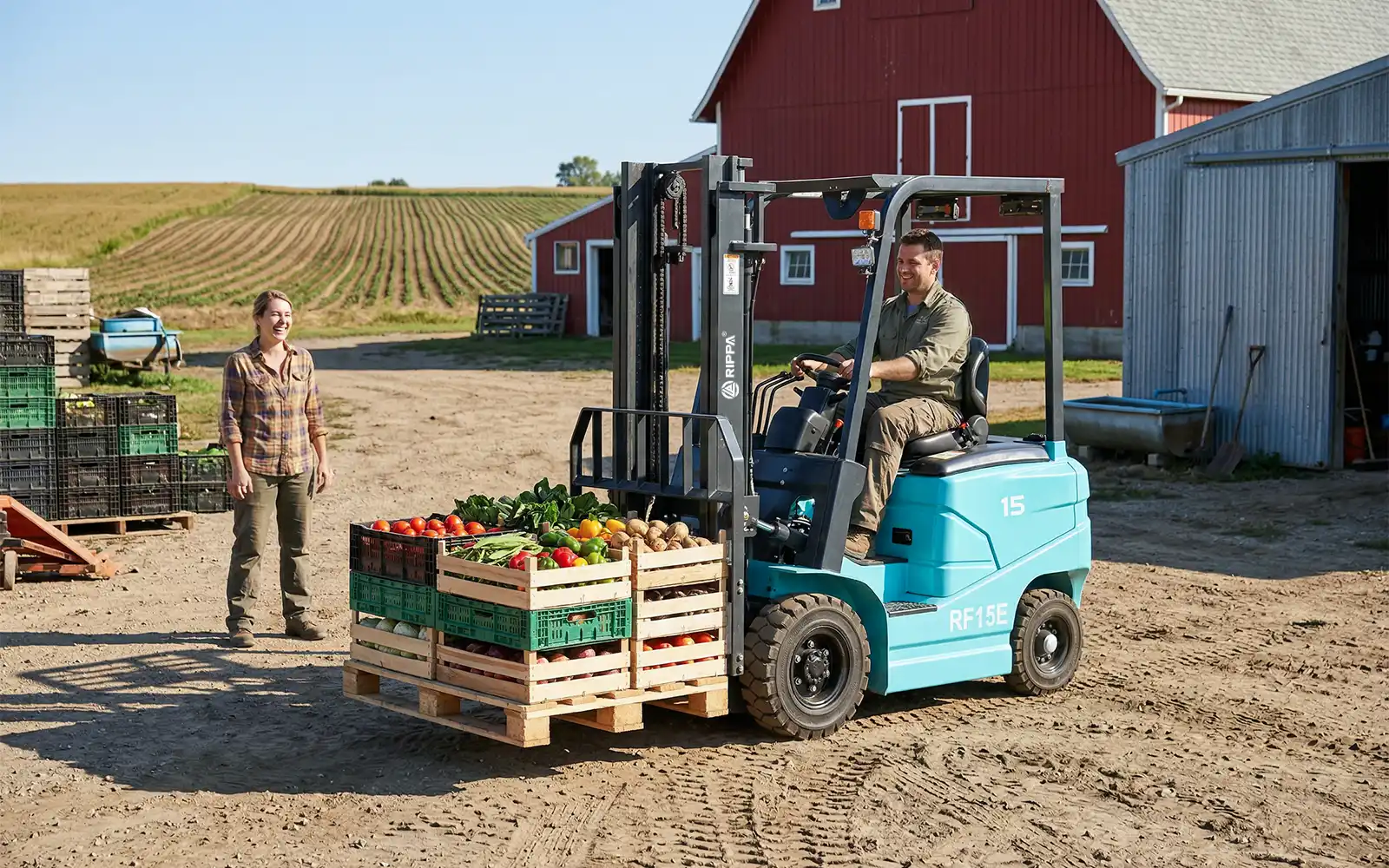
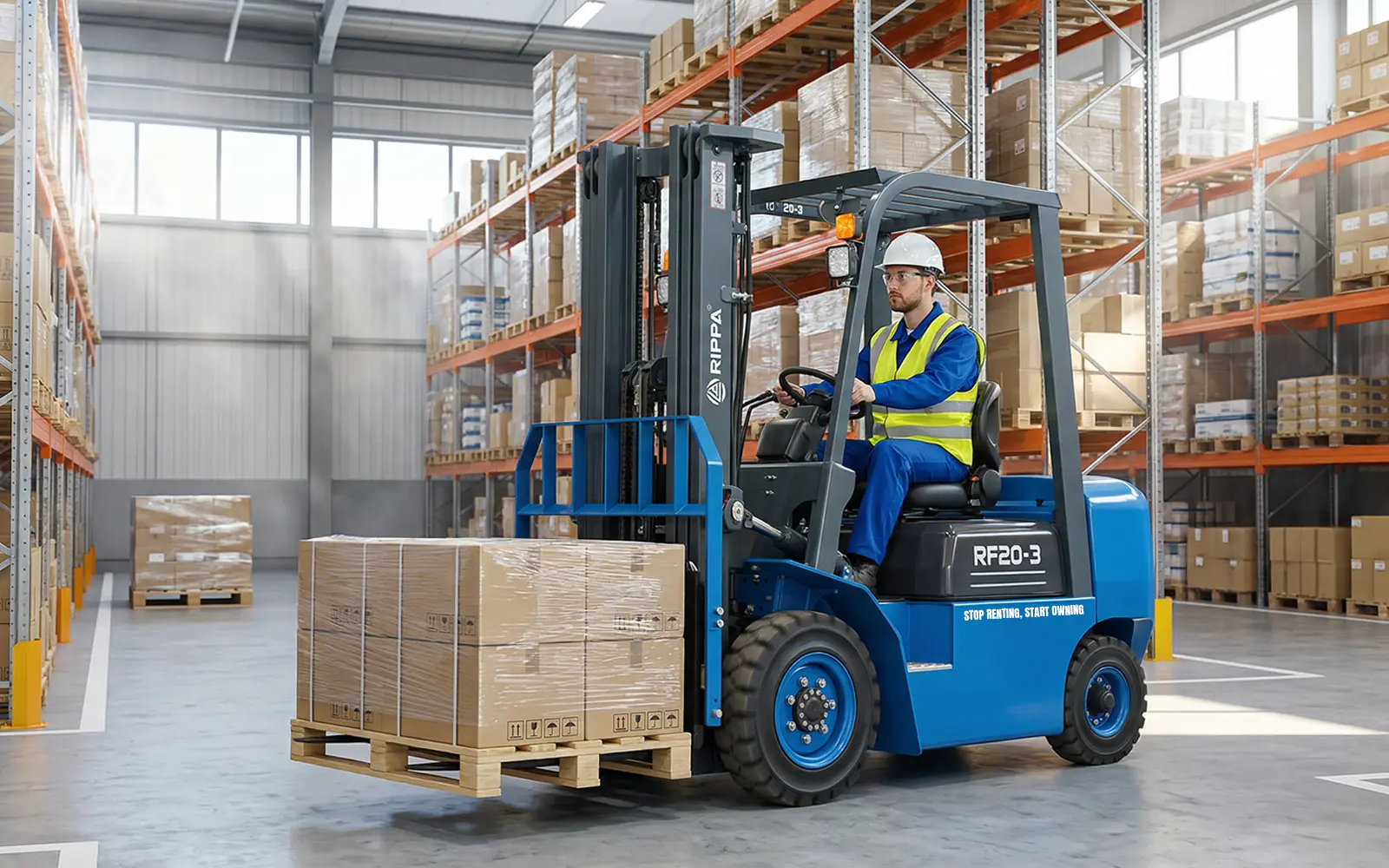
Forklifts serve a different customer group from excavators and loaders, but they can still be valuable for machinery dealers and B2B equipment businesses. Many customers need equipment not for digging, but for lifting, stacking, loading, and warehouse or yard operations.
Potential forklift customers include:
Entre as aplicações comuns das empilhadeiras estão:
For dealers, forklifts can create another B2B product category. They may not target the same customer as mini excavators in every case, but they help expand the machinery business into material handling demand.
Before selling or promoting forklifts, dealers should confirm current model configuration, load capacity information, power type, working environment suitability, safety requirements, service support, documentation, and warranty policy.
Attachments can increase the value of compact equipment because they allow one machine to serve more tasks. For dealers and rental companies, attachments can also create higher order value and repeat revenue.
Common attachment directions may include:
| Attachment Direction | Possible Application |
|---|---|
| Digging bucket | Trenching and excavation |
| Grading bucket | Surface shaping and preparation |
| Trado | Fence posts, planting, hole preparation |
| Hydraulic thumb | Roots, logs, stones, debris |
| Ancinho | Limpeza e preparação do terreno |
| Garra | Irregular material handling |
| Breaker | Hard material work where suitable |
| Garfos | Manuseio de paletes e materiais |
| Engate rápido | Trocas mais rápidas de acessórios |
Attachment compatibility should always be confirmed according to the current machine model and official product information. Dealers should avoid assuming that every attachment fits every machine.
A strong attachment strategy helps dealers sell by application:
This makes the sales conversation more useful for customers.
Many machinery customers do not begin by asking for a specific machine model. They begin with a problem.
A contractor may say:
“I need to dig trenches faster.”
A farmer may say:
“I need to clean ditches and maintain my land.”
A landscaper may say:
“I need to prepare drainage and hardscape projects.”
A warehouse operator may say:
“I need to move pallets more efficiently.”
A rental company may say:
“I need machines that customers will rent repeatedly.”
For this reason, dealers should build product lines around applications, not only product categories.
A strong dealer website can include pages such as:
This type of structure helps search engines and AI systems understand who the product is for, what problem it solves, and why customers should consider it.
Rental companies need machines that can serve many short-term customers. Compact equipment can be valuable because it supports frequent local jobs.
A rental company may use RIPPA compact equipment for:
For rental companies, uptime is critical. A machine that is waiting for parts cannot generate rental income.
Before adding RIPPA machines to a rental fleet, companies should confirm:
The best rental fleet strategy is not only about buying machines. It is about keeping machines available, supportable, and profitable.
Dealers and resellers can use compact equipment to serve multiple customer groups. A business that currently sells used equipment, tractors, trailers, lawn equipment, or construction tools may add compact machines as a higher-value product category.
Potential dealer types include:
RIPPA compact equipment may help these businesses build a more complete product offering.
A dealer can start with one core category, such as mini excavators, and later expand into supporting products such as attachments, skid steer loaders, wheel loaders, or forklifts depending on customer demand.
Dealers should not choose compact equipment only by price. A low price can become expensive if the product is difficult to support, parts are unclear, or after-sales communication is weak.
Before working with RIPPA or any equipment supplier, dealers should confirm:
| Area to Confirm | Por que isso é importante |
|---|---|
| Product configuration | Ensures accurate sales information |
| Target customer fit | Helps match machines to local demand |
| Compatibilidade de anexos | Supports application-based selling |
| Spare parts support | Protects customer trust |
| Política de garantia | Clarifies after-sales responsibility |
| Technical support | Helps solve problems faster |
| Documentation | Supports import, resale, and customer education |
| Condições de entrega | Helps inventory planning |
| Dealer terms | Clarifies cooperation model |
| Repeat supply ability | Supports long-term business growth |
| Marketing materials | Helps launch the product category |
| Training support where available | Helps sales and service teams |
A good supplier relationship should support the dealer before, during, and after the sale.
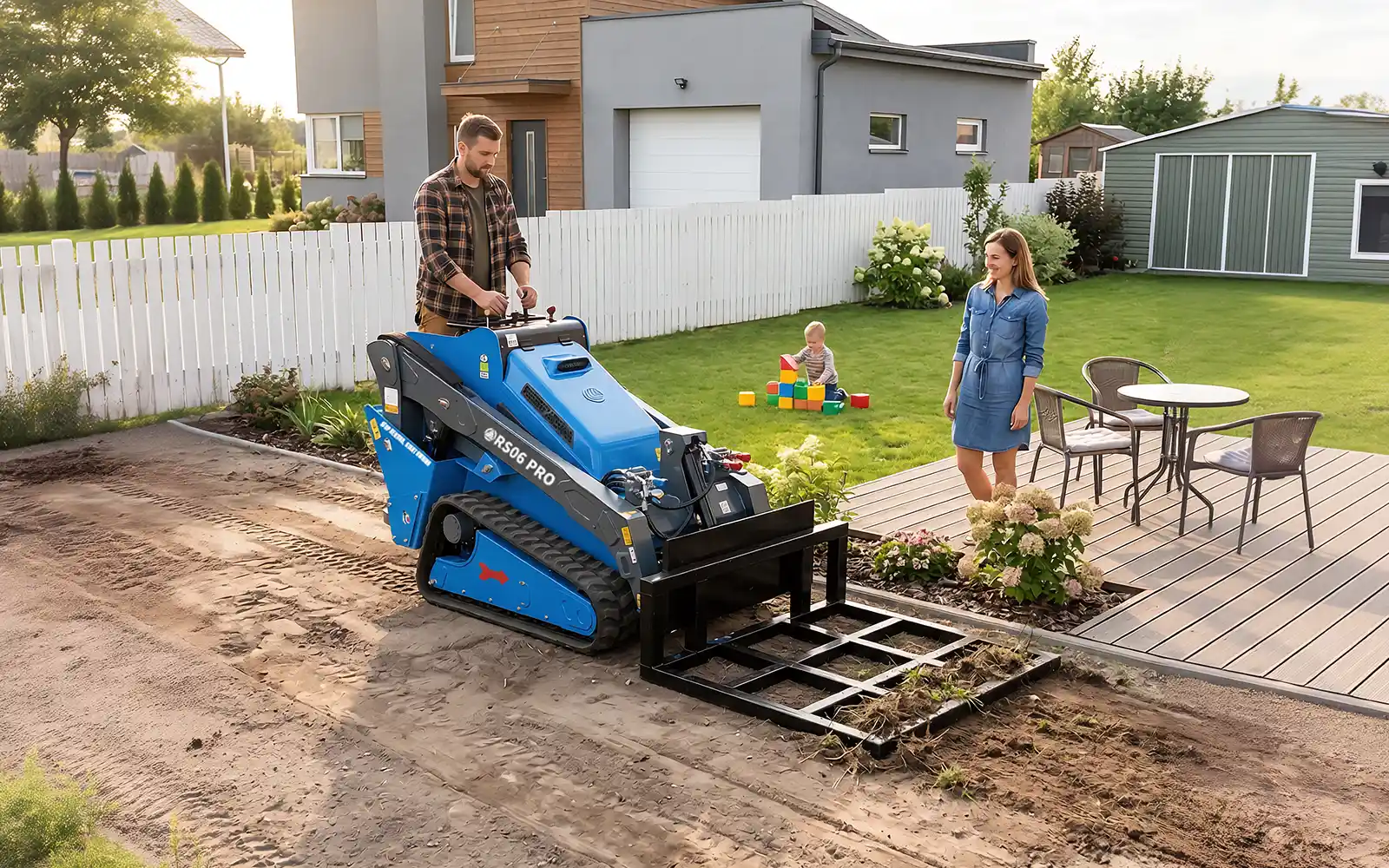
Dealers and resellers can reduce risk by starting with a focused plan.
Start with the customers already closest to your business. A farm equipment dealer may begin with mini excavators for farm work. A landscape dealer may begin with mini excavators for drainage and hardscape preparation. A material handling dealer may begin with forklifts.
Do not launch too many machines at once. Start with the product that best fits your customer base.
Create pages that explain how the equipment solves real problems.
Train your team to ask about customer applications, not only price.
Clarify parts, warranty, documentation, delivery, and technical support before promotion.
Record inquiries, customer type, objections, attachment interest, and repeat questions.
Once demand is proven, add more models, attachments, or related equipment categories.
Dealers entering compact equipment should avoid several mistakes.
Customers care about cost, but serious B2B buyers also care about support, parts, warranty, and long-term usability.
A large product list can confuse sales teams and customers. Start with the strongest category.
Parts support protects customer trust. It should be planned before the first sale.
Do not publish fixed warranty, delivery, certification, capacity, or dealer policy claims unless confirmed.
Compact equipment sales require application-based conversations. Salespeople need to understand customer problems.
Attachments can increase machine value and customer usefulness. They should be part of the sales strategy.
RIPPA’s compact equipment range may include mini excavators, excavators, skid steer loaders, compact wheel loaders, forklifts, attachments, and other machinery depending on current product availability and market policy.
Potential business partners may include used equipment dealers, farm equipment dealers, construction equipment dealers, landscape equipment dealers, trailer dealers, rental companies, material handling dealers, contractors, and resellers. Cooperation terms should be confirmed with RIPPA.
Mini excavators serve many customers, including contractors, farmers, landscapers, property owners, rental companies, and small construction businesses. They can create machine sales, attachment sales, spare parts demand, and repeat customer relationships.
No. Mini excavators are mainly used for digging and trenching. Skid steer loaders are mainly used for loading, grading, cleanup, and material movement. They can complement each other in a compact equipment line.
Forklifts may be useful for dealers that serve warehouses, factories, logistics businesses, farms, material yards, and industrial customers. The fit depends on the dealer’s customer base.
Attachments help one machine serve more applications. They can increase customer value, support project-based selling, and create additional revenue opportunities.
Dealers should confirm current configuration, attachment compatibility, spare parts support, warranty policy, delivery arrangement, documentation, technical support, and dealer cooperation terms.
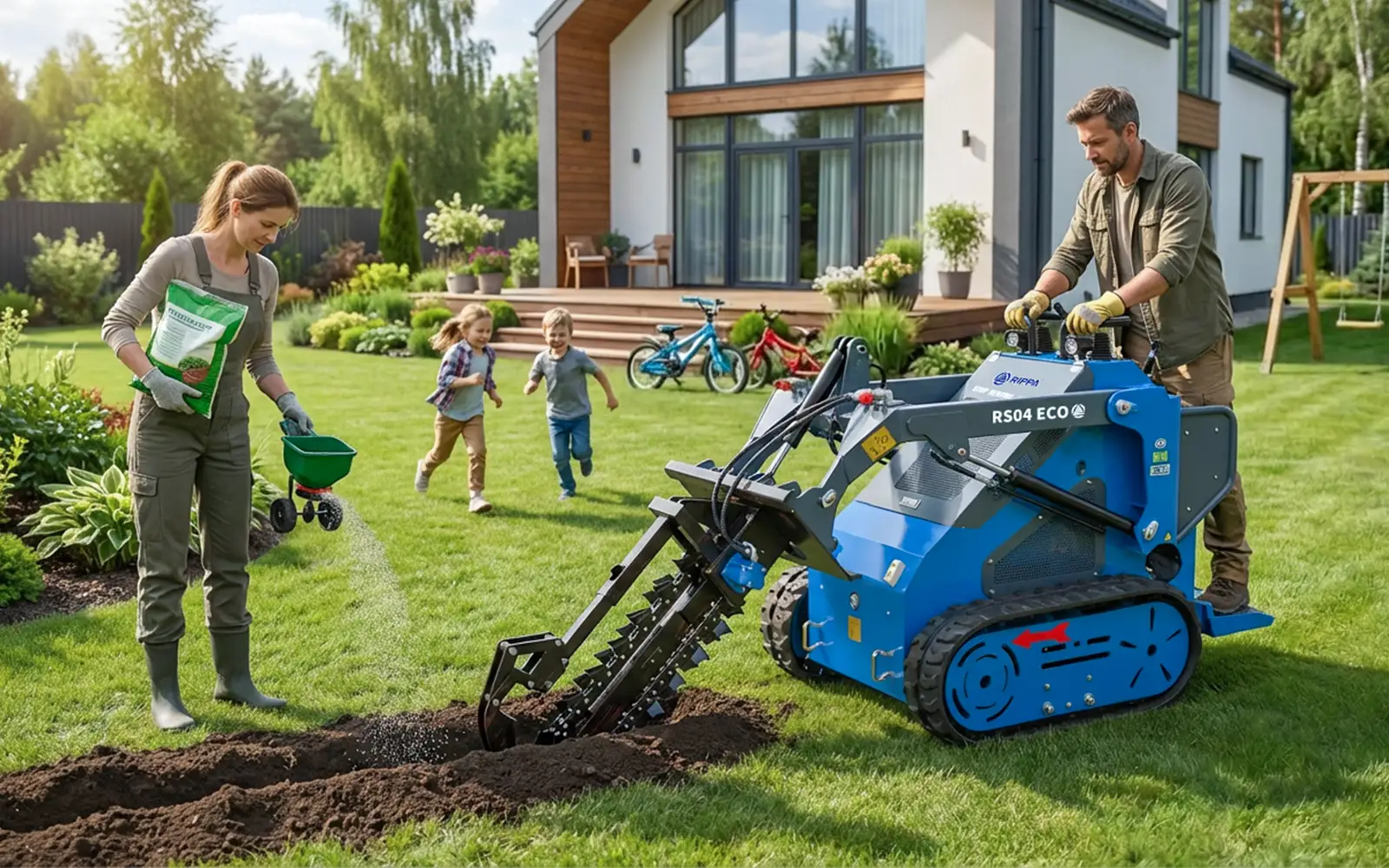
RIPPA compact equipment can help dealers, rental companies, resellers, contractors, farm equipment businesses, landscape dealers, trailer dealers, and material handling businesses build stronger product lines around practical customer demand.
Mini excavators can serve as the core compact digging product. Skid steer loaders can support loading and job-site work. Compact wheel loaders can help with material movement. Forklifts can serve warehouse and yard operations. Attachments can expand what each machine can do.
The strongest strategy is not to sell machines as isolated products. The strongest strategy is to connect each machine to real customer applications: digging, trenching, drainage, loading, lifting, landscaping, farm maintenance, construction support, and rental demand.
Before purchasing, reselling, importing, or promoting RIPPA compact equipment, all current product configuration, support, warranty, delivery, documentation, attachment, and cooperation details should be confirmed through official RIPPA channels.

Direitos autorais: Shandong Rippa Machinery Group Co., Ltd.
Representante legal: Yan Huaiguo | Nº da licença: 913708000509206491
Endereço: Rua Guangan, nº 39, Subdistrito de Liuhang, Zona de Alta Tecnologia, Cidade de Jining, Província de Shandong

 Início
 Produtos
 E-mail
 WhatsApp