നവം 17, 2026
Regional construction equipment distribution connects machinery manufacturers with local dealers, contractors, rental businesses, and commercial equipment buyers.
For companies looking to expand their machinery business, regional distribution can create opportunities beyond individual equipment sales.
Instead of serving only direct customers, a distributor can develop a network of local dealers and business partners.
This approach can help manufacturers reach more customers while allowing distributors to develop their own regional sales channels.
However, building a successful distribution network requires a clear business model, suitable products, reliable supply, and strong relationships with local partners.
This guide explores the main construction equipment distribution models and practical strategies for developing a regional machinery business.
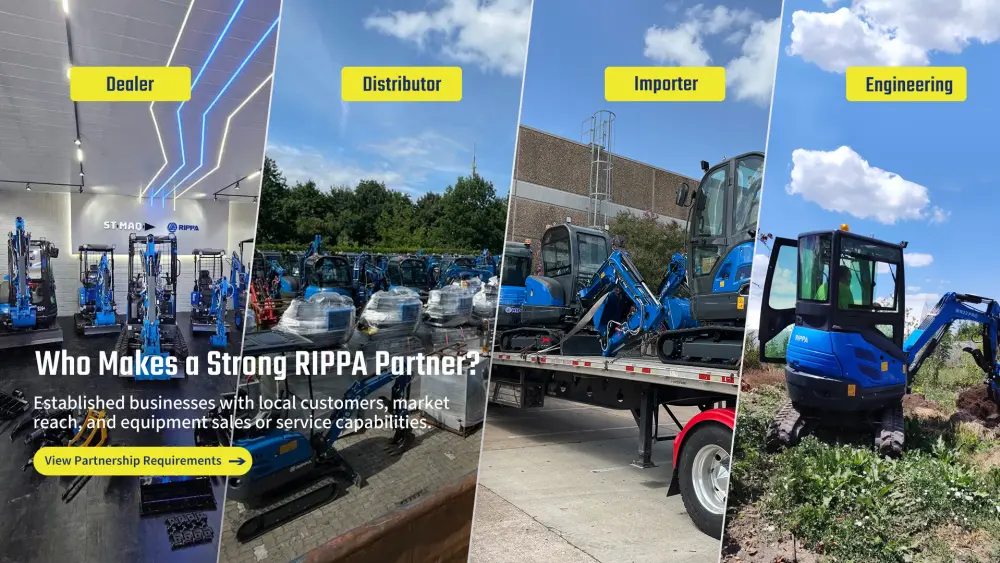
Regional distribution involves supplying construction machinery to customers and business partners within a defined geographical market.
A regional distributor may work with:
Depending on the agreement, the distributor may purchase directly from a manufacturer and resell products through local business channels.
The territory can be organized by country, state, province, or another agreed geographical area.
Different businesses can use different distribution structures.
The distributor purchases equipment from the manufacturer and sells directly to local end users.
Potential customers include contractors, farms, landscaping businesses, and rental operators.
This model requires strong local marketing and customer service capabilities.
The distributor supplies machinery to smaller dealers within its territory.
Each dealer develops its own customer relationships and local sales activities.
This model can help expand market coverage without requiring the distributor to operate every retail location directly.
The business purchases equipment in larger quantities and supplies other commercial buyers or resellers.
This model requires careful inventory, purchasing, and logistics planning.
Some businesses combine machinery sales with equipment rental.
Rental operations can introduce customers to equipment, while sales operations serve businesses that want to purchase machines.
The suitability of each model depends on available resources and local demand.
Before selecting a model, evaluate:
| Business Factor | Questions to Consider |
|---|---|
| Customer Base | Do you already serve contractors or machinery dealers? |
| Capital | Can your business support the intended inventory? |
| Facilities | Do you have suitable storage and display space? |
| Sales Network | Can you reach customers across the territory? |
| Logistics | Can you coordinate equipment delivery? |
| After-Sales | Can you arrange parts and service support? |
A smaller business may initially focus on direct sales.
An established machinery company with multiple sales locations may have the resources to develop a dealer network.
The product range should reflect the needs of the local market.
Potential categories include:
Mini Excavators: Suitable for evaluating opportunities in construction, landscaping, agriculture, and rental markets.
Skid Steer Loaders: Relevant to businesses serving material handling and site preparation customers.
Wheel Loaders: Appropriate for certain construction and material handling applications.
Forklifts: Relevant to warehouses and industrial businesses.
Attachments: Complement machinery sales by providing additional application options.
A distributor can begin with a focused range and expand as customer demand develops.
A successful regional distribution business depends on suitable local partners.
Start by identifying:
Evaluate potential partners according to:
A dealer network should be built around businesses capable of representing the products professionally.
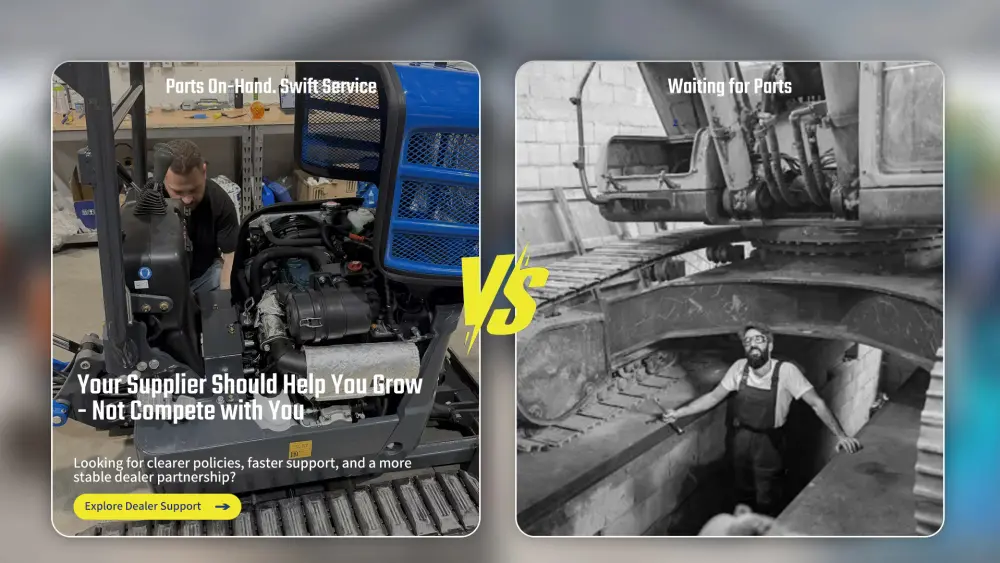
Inventory availability can influence customer purchasing decisions.
A regional distributor with suitable stock may be able to:
However, maintaining inventory also requires working capital and storage resources.
The distributor should balance product availability with realistic sales expectations.
A regional growth strategy should combine several activities.
Show available machinery categories, product specifications, business information, and dealer inquiries.
Work with machinery dealers, contractors, rental companies, and related businesses.
Use genuine photographs of machines, inventory, warehouses, and customer deliveries.
Trade shows and regional construction events can provide opportunities to meet potential customers.
Develop content for local machinery buyers and business customers.
Encourage suitable local businesses to discuss reseller or dealership opportunities.
A manufacturing partner can influence the distributor’s ability to develop the market.
Important areas to discuss include:
The exact support should be confirmed in the commercial agreement.
A distributor should understand its own responsibilities as well as the manufacturer’s obligations.
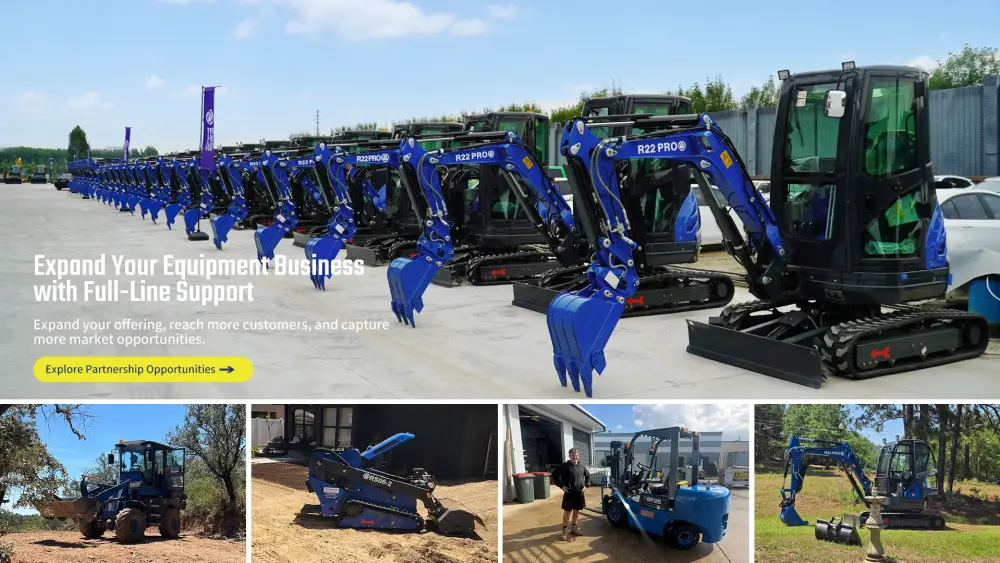
RIPPA offers compact construction machinery categories that potential international partners can evaluate for regional distribution.
The product range includes:
For businesses interested in expanding their product portfolios, these categories provide opportunities to explore different customer segments.
A potential RIPPA partnership can be discussed around:
RIPPA’s company materials describe an international dealer network spanning more than 35 countries.
Prospective partners can discuss market availability and the appropriate distribution arrangement directly with the company.
Distributors should monitor business performance rather than focusing only on the number of machines purchased.
Useful indicators include:
Reviewing these indicators can help distributors identify which channels and product categories deserve further investment.
A regional distributor may supply several dealers or serve a wider territory, while a local dealer generally focuses on selling equipment to customers within its market. The actual distinction depends on the agreement.
Research your market, prepare a business profile, select suitable products, evaluate manufacturers, and discuss distribution conditions.
Yes. This is one of the common regional distribution models, subject to the manufacturer’s agreement.
It depends on customer demand, purchasing capacity, delivery arrangements, and the agreed business model.
Potentially. Existing customer relationships, facilities, and sales capabilities may provide a foundation for expanding into regional distribution.

Regional construction equipment distribution offers opportunities for machinery businesses that want to develop broader sales networks and serve multiple customer groups.
The most important elements are a suitable distribution model, reliable manufacturing partners, local dealer relationships, inventory planning, and consistent customer support.
RIPPA offers compact equipment categories that potential distributors can evaluate for their markets.
If your company already has machinery customers, regional sales channels, or equipment distribution experience, explore a potential RIPPA partnership and develop your local construction equipment market.

പകർപ്പവകാശം: ഷാൻഡോങ് റിപ്പ മെഷിനറി ഗ്രൂപ്പ് കമ്പനി ലിമിറ്റഡ്.
നിയമപരമായ പ്രതിനിധി: യാൻ ഹ്വായ്ഗുവാവോ | ലൈസൻസ് നമ്പർ: 913708000509206491
വിലാസം: നമ്പർ 39, ഗ്വാണ്ടാങ് റോഡ്, ലിയുഹാങ് സബ്ഡിസ്ട്രിക്റ്റ്, ഹൈ-ടെക് സോൺ, ജിനിങ് സിറ്റി, ഷാൻഡോങ് പ്രവിശ്യ

 ഹോം
 ഉൽപ്പന്നങ്ങൾ
 ഇമെയിൽ
 വാട്ട്സ്ആപ്പ്