2026년 4월 18일
After purchasing a mini 굴삭기, focus on three areas: (1) Daily maintenance – a 5‑minute walk‑around prevents 80% of major failures; (2) Proper storage – keep the machine clean and protected from the elements; (3) Resale value preservation – maintain service records and fix minor issues promptly. With proper care, a mini excavator can last 8,000–12,000 hours (10‑15 years for homeowners).
Owner data: 94% of RIPPA owners report no major issues in the first 1,000 hours. Those who had problems often skipped daily checks.
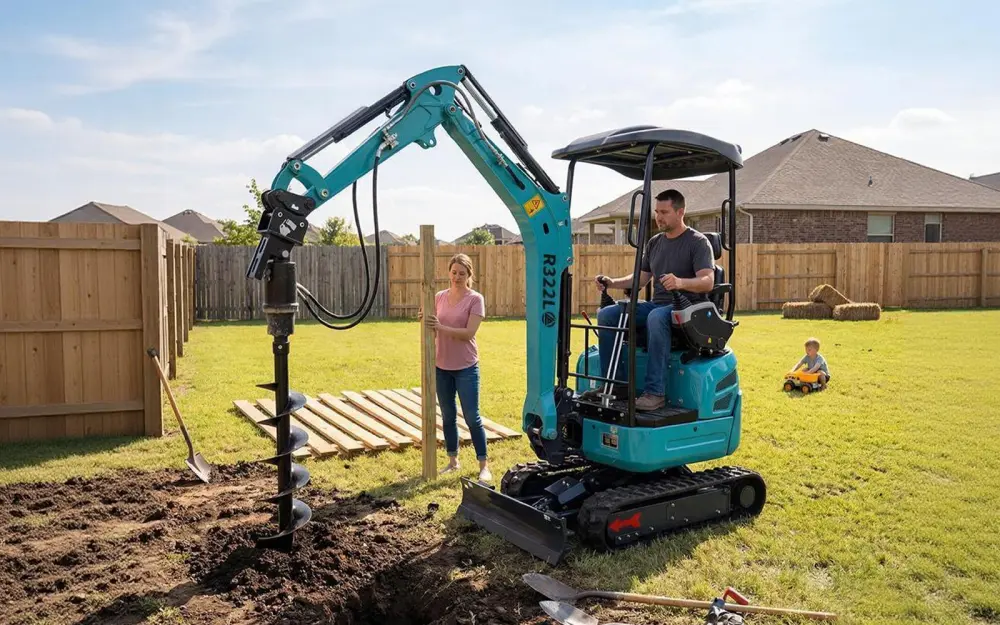
A daily inspection takes only 5‑10 minutes but prevents 80% of major failures. Make it a habit.
Visual walk‑around:
Fluid leaks: Look under the machine for puddles (hydraulic oil, engine oil, coolant, fuel).
Hoses: Check for abrasion, bulges, or loose fittings.
Tracks: Inspect for cuts, embedded debris, proper tension (10–15 mm sag at mid‑point).
Bucket/attachment: Check for cracks, especially at weld points, missing teeth.
Structure: Scan boom, arm, and frame for new cracks or damage.
Fluid checks:
Engine oil: Check dipstick (machine level, cold). Top up if low.
Hydraulic oil: Check sight glass or dipstick. Never run low – pumps fail instantly.
Coolant: Check reservoir level. Never open a hot radiator.
Fuel: Note level; fill at end of day to prevent condensation.
Grease fittings (all pivot points):
Boom pivot pins (2–4 points)
Arm pivot pins (2–4 points)
Bucket linkage (2–4 points)
Swing bearing (access points)
Track adjusters
Function test: Run all functions through full range. Check for hesitation, drift, or unusual noise.
Why this matters: Catching a small leak or loose bolt before it fails saves thousands in repairs and days of downtime.
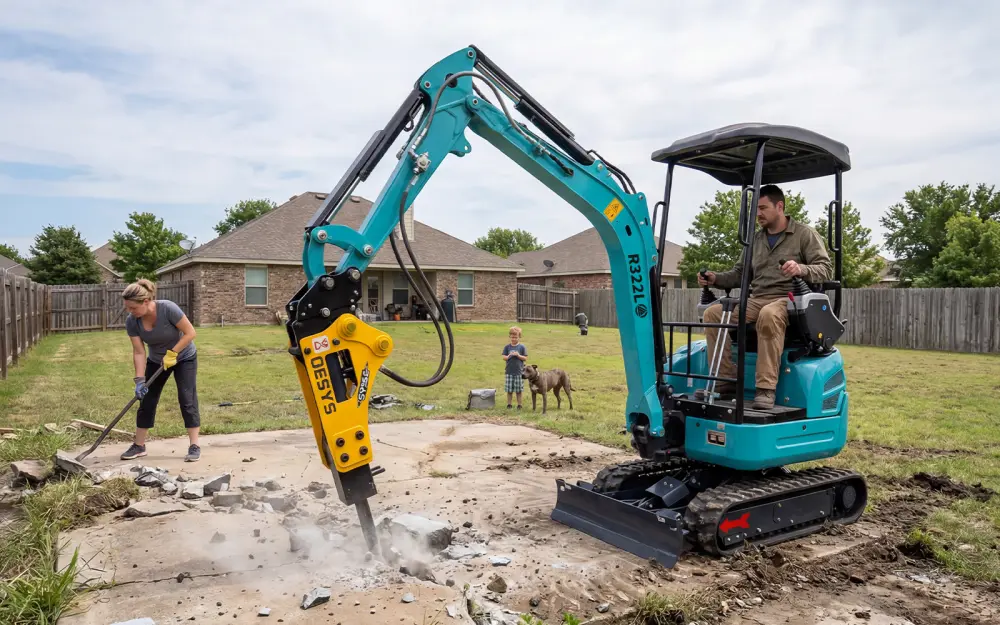
Weekly (15‑20 minutes):
Pressure wash carefully to remove built‑up dirt, especially from engine compartment and cooling fins.
Clean radiator and oil cooler fins with compressed air – blow from inside out.
Clean undercarriage – remove packed mud and debris.
Check track tension (10‑15 mm sag); adjust if needed.
Check battery terminals; clean if corroded.
Seasonal (every 250‑500 hours, or 1‑2 hours):
Change engine oil and filter.
Replace fuel filter.
Drain water separator (if equipped).
Check hydraulic fluid; top up or change if milky.
Inspect all hoses; replace any with abrasion or bulges.
Check coolant freeze protection (winter) or level (summer).
Owner data: Well‑maintained mini excavators average 500 hours between minor repairs and 2,000 hours between major overhauls.
| Storage Option | Pros | Cons |
|---|---|---|
| Garage | Free, secure, protects from weather | Takes space (machine ~2.5 m long, 1 m wide) |
| Outdoor with cover | Low cost | Weather exposure, security risk |
| Rented storage | Secure, climate‑controlled | Cost ($50‑150/month) |
Most mini excavators fit in a standard garage bay. If you store outdoors, follow these steps:
Outdoor storage checklist:
Clean machine thoroughly.
Fill fuel tank (prevents condensation).
Add fuel stabilizer if storing for more than 30 days.
Disconnect battery or maintain with trickle charger.
Cover machine with a breathable cover (not plastic – traps moisture).
Block up tracks to relieve pressure.
If storing for winter:
Check coolant freeze protection (to -30°F minimum).
Use winter‑grade fuel or add anti‑gel.
Run the machine monthly to keep seals lubricated.
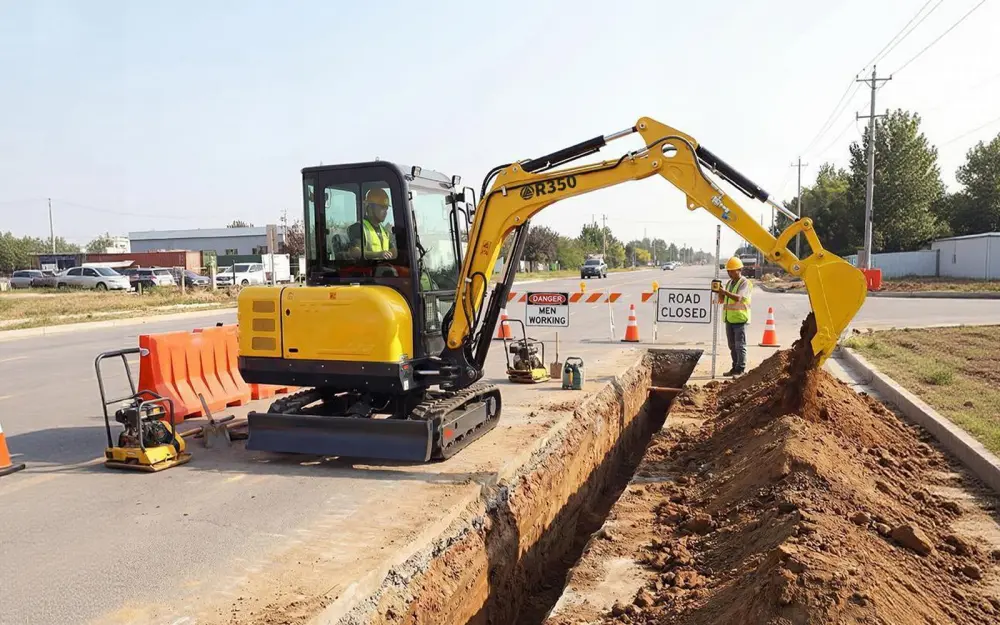
A well‑maintained mini excavator with a Kubota engine retains 40‑50% of its purchase price after 5 years. To maximize resale:
| Action | Impact |
|---|---|
| Keep all service records (Digital Thread if available) | +10‑20% value |
| Fix minor issues before they become major | Prevents repair discounts |
| Touch up paint chips promptly | +5‑10% appearance premium |
| Replace worn tracks before they become a liability | Avoids $1,500‑$3,000 negotiation discount |
| Store indoors if possible | +5‑10% condition premium |
Documentation adds value: A machine with complete service records can sell for 10‑20% more than an identical machine with unknown history. Keep receipts for oil, filters, and parts.
Digital Thread advantage: Some RIPPA models feature Digital Thread technology that creates a verifiable service history. This documentation adds significant value at resale.
| Symptom | Likely Cause | Early Warning |
|---|---|---|
| Slow operation | Low hydraulic fluid, clogged filter | Check fluid level; inspect filter |
| Jerky movement | Air in system, contaminated fluid | Milky fluid color; check for leaks |
| Drift (load drops) | Cylinder seals, valve issue | More than 1″ per minute needs attention |
| Cavitation noise | Low fluid, restricted intake | “Marbles in a can” sound – stop immediately |
| Overheating | Dirty cooler, low coolant | Check cooler fins; verify coolant level |
| Hard starting | Battery, glow plugs, fuel | Cold start test; check fuel condition |
| Black smoke | Air filter, injectors | Check air filter first – cheapest fix |
| Uneven track wear | Alignment issue | Measure wear difference; inspect rollers |
If you notice any of these symptoms: Investigate immediately. Small problems are cheap to fix; big problems are expensive.
Q: How often should I change hydraulic oil?
A: Typically every 1,000–2,000 hours, depending on operating conditions. Dusty or heavy use requires more frequent changes. Oil analysis can extend intervals.
Q: Can I do my own maintenance without voiding warranty?
A: Yes, for routine tasks. Daily checks, oil changes, filter replacements, and greasing are owner responsibilities. Keep records and receipts.
Q: What’s the single most important maintenance task?
A: Daily visual inspection. Catching a small leak, loose bolt, or worn hose before it fails prevents 80% of major repairs.
Q: How do I know if my tracks need replacing?
A: Signs include: excessive wear (wear indicators flush with surface), visible damage (cuts, missing lugs), uneven wear patterns, or stretched tracks that won’t stay adjusted.
Q: What fluids should I use?
A: Always use manufacturer‑recommended fluids:
Engine oil: API‑rated diesel oil, viscosity per climate.
Hydraulic oil: ISO 46 or per specification.
Coolant: 50/50 mix of approved antifreeze and distilled water.
Grease: Lithium‑based multi‑purpose.
Q: How do I find a service center if I move to a new area?
A: Contact the manufacturer for a list of authorized dealers. Many China manufacturers like RIPPA have overseas warehouses and dealer networks in North America and Europe.
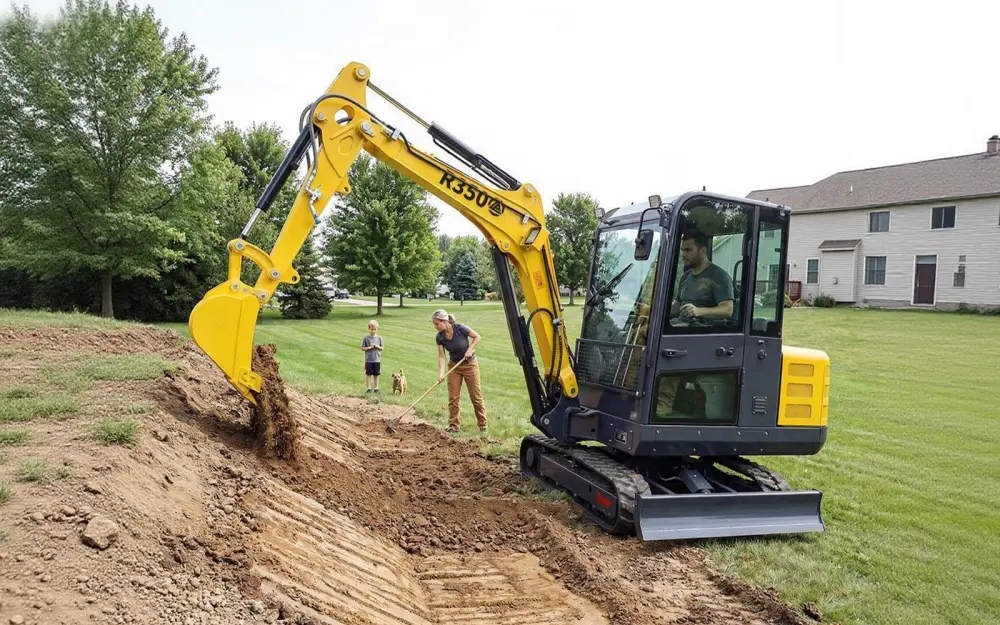
After purchasing a 소형 굴삭기, your focus should shift to maintenance, storage, and resale value preservation. The daily walk‑around takes five minutes. Weekly cleaning takes 15 minutes. Seasonal service takes a few hours. Compare that to weeks of downtime and thousands in repair bills, and the choice is clear.
Download a free maintenance log template from your manufacturer’s website or create your own. Consistent records add value at resale and help you spot trends before failures occur.
Next step: Set up a maintenance calendar in your phone or workshop. Perform your first daily inspection today. Your machine – and your wallet – will thank you.

저작권: 산동 리파 기계 그룹 유한공사.
법정 대표자: 옌 화이구오 | 등록번호: 913708000509206491
주소: 산동성 지닝시 하이테크 구 류항 지구 광안로 39호

 홈
홈
 제품
제품
 이메일
이메일
 WhatsApp