2026년 3월 22일
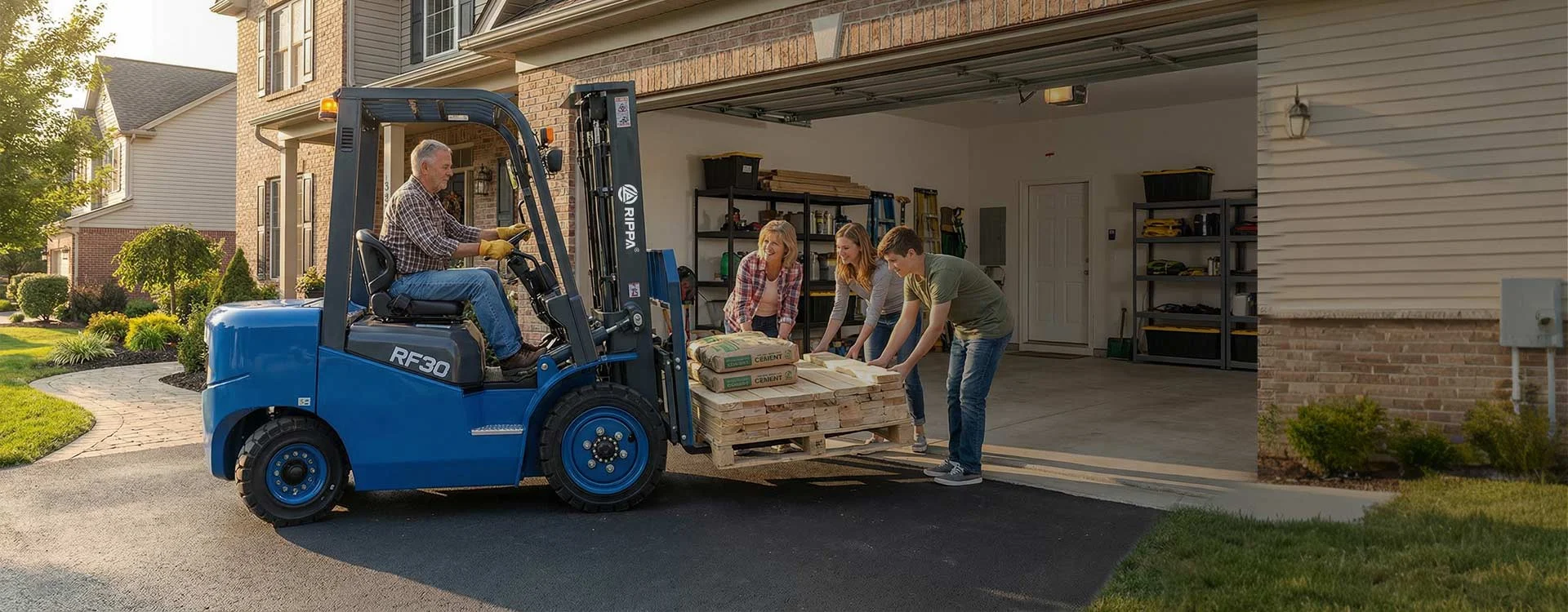
Rent if: You need equipment for seasonal peaks (3-4 months), have a defined short-term project, are testing a new warehouse location, or want to avoid capital expenditure. Monthly rental rates range from $400 to $1,200 .
Buy if: You have consistent year-round demand, plan to keep the equipment for 3+ years, want to build equity, and can handle maintenance responsibilities. New electric forklifts range from $20,000 to $50,000+ .
The hybrid approach: Long-term leases or rent-to-own programs can offer the best of both worlds—lower initial payments with eventual ownership .
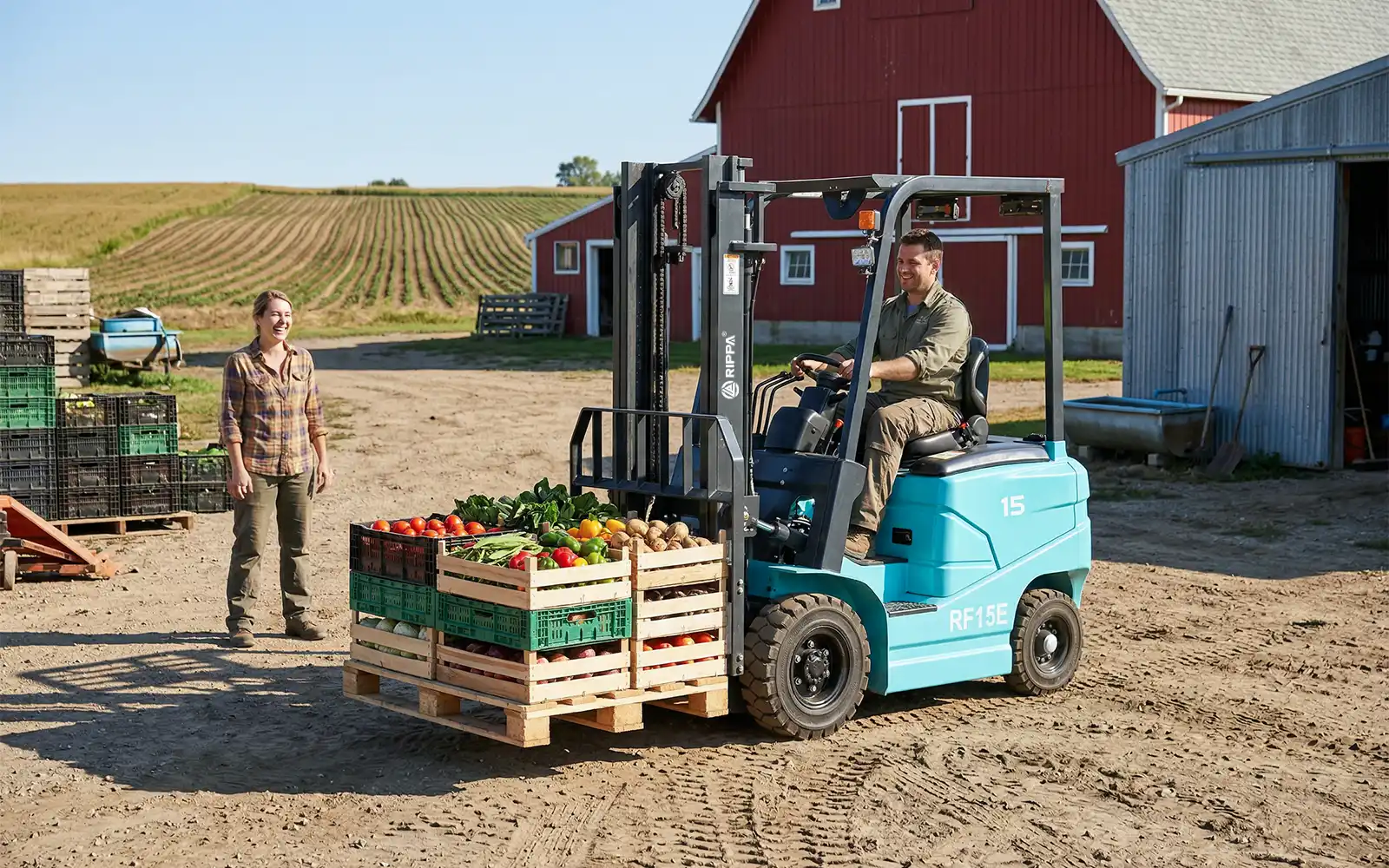
The material handling equipment market has evolved dramatically, creating new investment categories that didn’t exist when many warehouses established their procurement strategies. Traditional diesel and propane forklifts now compete with electric models, lithium-ion battery systems, and even fully autonomous solutions, each carrying distinct financial implications .
Understanding these options requires looking beyond the sticker price to examine operational costs, maintenance requirements, operator dependencies, and technological obsolescence risk .
Forklift rental offers undeniable advantages for specific operational scenarios, primarily related to flexibility and capital preservation :
Seasonal operations: Businesses with 3-4 month demand peaks can scale equipment capacity without investing in assets that sit idle most of the year .
Construction projects: Defined timelines avoid equipment disposal challenges when the project concludes .
Testing new locations: Companies validating warehouse sites can confirm operational requirements before permanent equipment investments .
Rental economics become less favorable when you account for the complete cost picture :
| Cost Component | Annual Impact |
|---|---|
| Base rental ($800/month) | $9,600 |
| Operator wages (2.5 operators @ $45,000) | $112,500 |
| Insurance/damage waiver (15-25% of rental) | $1,800–$3,000 |
| Delivery fees | $500–$2,000 |
| Total annual (excluding operators) | $11,900–$14,600 |
Most rental agreements don’t include operator wages, which typically represent the largest cost. Insurance, damage waivers, and delivery fees add 15-25% to baseline rental rates .
Perhaps most significantly, rental equipment typically represents older fleet stock with higher breakdown rates and lower productivity than new purchases. This equipment age gap translates to increased downtime and slower cycle times .
| Equipment Type | New Price Range | Used Price Range |
|---|---|---|
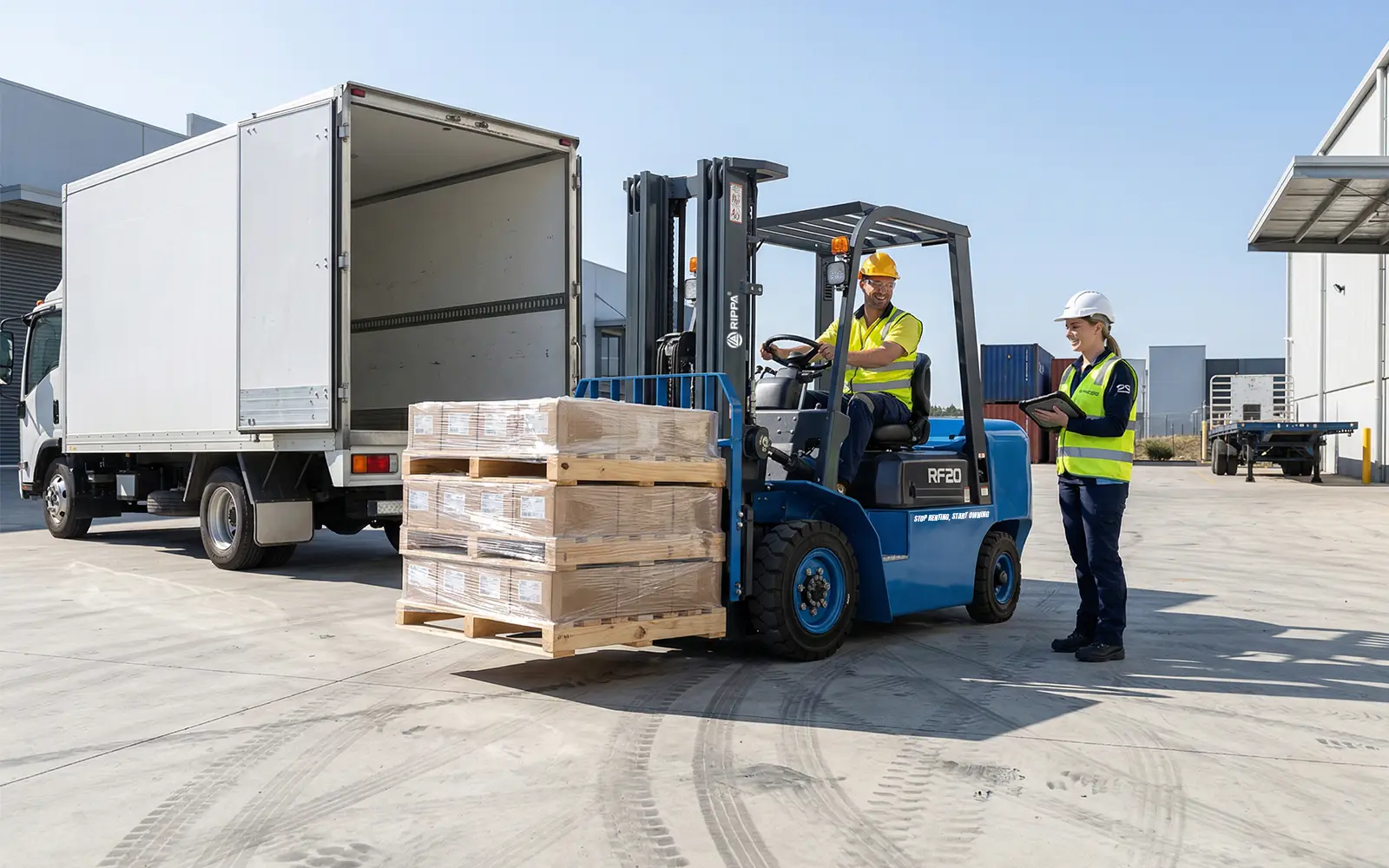
| Small electric counterbalance | $20,000–$55,000 | $8,000–$35,000 |
| LPG/diesel 1.5–3.5t | $18,000–$60,000 | $8,000–$35,000 |
| All-terrain/telehandler | $60,000–$150,000+ | Varies widely |
Sources:
The largest ownership cost component isn’t the equipment itself—it’s the human operators required to run it :
| Shift Pattern | Operators per Forklift | Annual Labor Cost (at $45,000/operator) |
|---|---|---|
| Single shift | 1.0 | $45,000 |
| Two shifts | 2.5 | $112,500 |
| 24/7 operation | 4.5 | $202,500 |
This labor component can exceed equipment depreciation by 300-500% over a five-year ownership period .
Beyond direct wages, operator-related costs include :
Ongoing certification training: $150–300 per operator annually
Workers’ compensation insurance: 2-4% of payroll
Accident-related expenses: OSHA reports forklift accidents cost U.S. businesses over $135 million annually in direct costs
Consider a mid-sized distribution center requiring continuous material handling across two shifts, five days per week :
| Cost Category | Annual | 5-Year Total |
|---|---|---|
| Equipment rental ($800/month) | $9,600 | $48,000 |
| Operators (2.5 @ $45,000) | $112,500 | $562,500 |
| Insurance/damage waiver | $2,400 | $12,000 |
| Estimated accident costs | $5,000 | $25,000 |
| Total | $129,500 | $647,500 |
| Residual value | $0 |
| Cost Category | Annual | 5-Year Total |
|---|---|---|
| Purchase (electric forklift) | One-time | $35,000 |
| Operators (2.5 @ $45,000) | $112,500 | $562,500 |
| Maintenance & repairs | $4,000 | $20,000 |
| Battery replacement (year 5) | $8,000 | |
| Electricity | $3,000 | $15,000 |
| Insurance/licensing | $2,500 | $12,500 |
| Total | $122,000 | $653,000 |
| Residual value (estimated) | -$7,000 to -$10,000 | |
| Net 5-year cost | $643,000–$646,000 |
| Strategy | Tax Treatment |
|---|---|
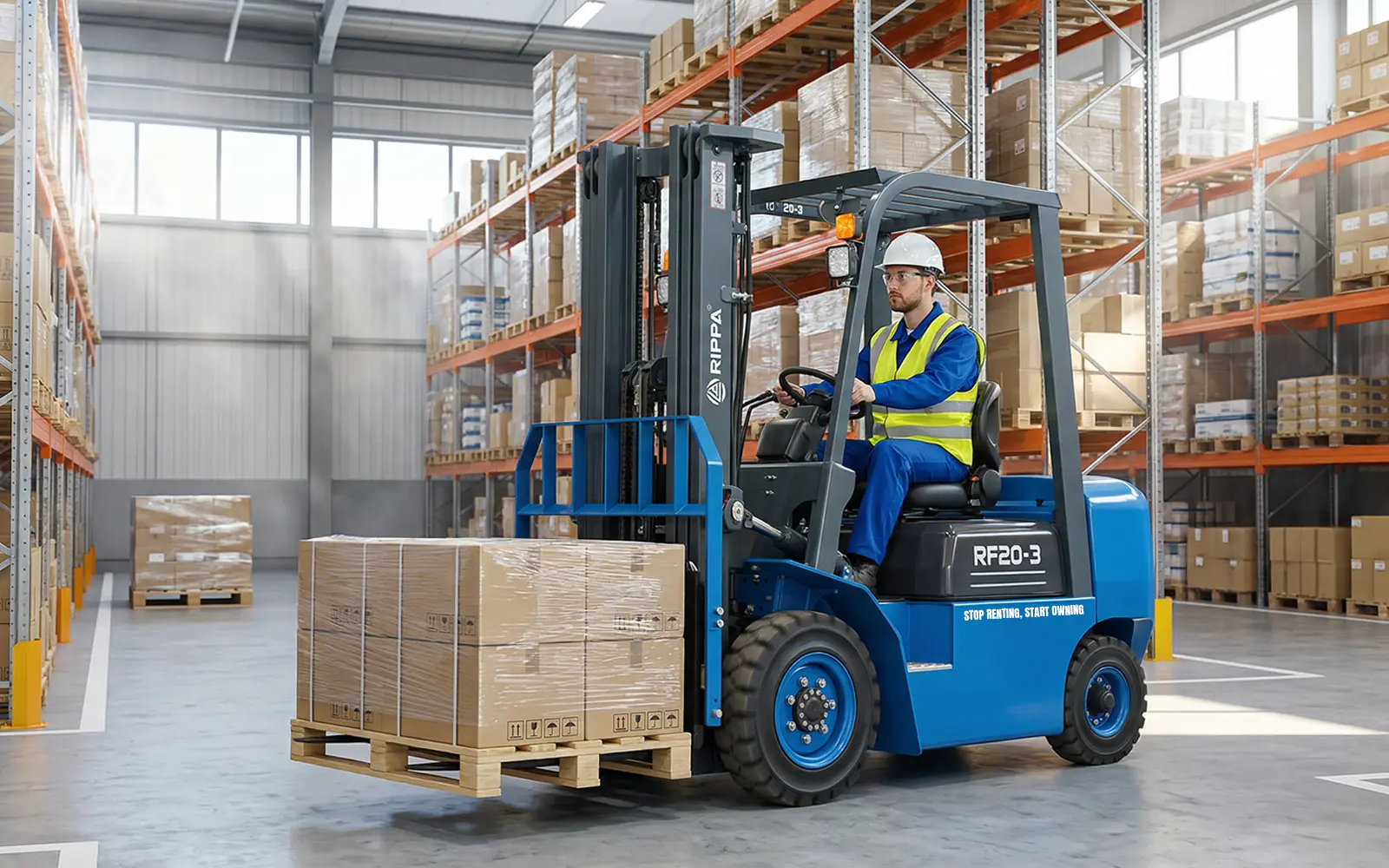
| Rental | Operating expense (OpEx) – fully deductible when incurred |
| Purchase | Capital expenditure (CapEx) – depreciated over useful life (5-10 years) |
Depreciation allocates the purchase cost across the expected useful life, reducing taxable income gradually. For businesses evaluating purchase, typical useful life assumptions span five to ten years for accounting purposes. Higher utilization fleets depreciate faster in practical terms .
You have seasonal or temporary needs (under 18-24 months)
You want to avoid capital expenditure
You’re testing a new location or operation
You want maintenance included
You need flexibility to scale up/down
You have consistent year-round demand
You plan to keep equipment 3+ years
You want to build equity
You have maintenance capabilities
You can manage operator costs effectively
Operations running rented equipment beyond 18-24 months often discover they’ve paid purchase-equivalent costs while retaining zero asset value . For continuous use, purchase becomes progressively more economical.
The 5-year analysis reveals that while rental and purchase appear similar in total cost ($647,500 vs $643,000), purchase leaves you with a residual asset worth $7,000–$10,000. The real cost difference widens further for 24/7 operations requiring 4.5 operators per forklift .
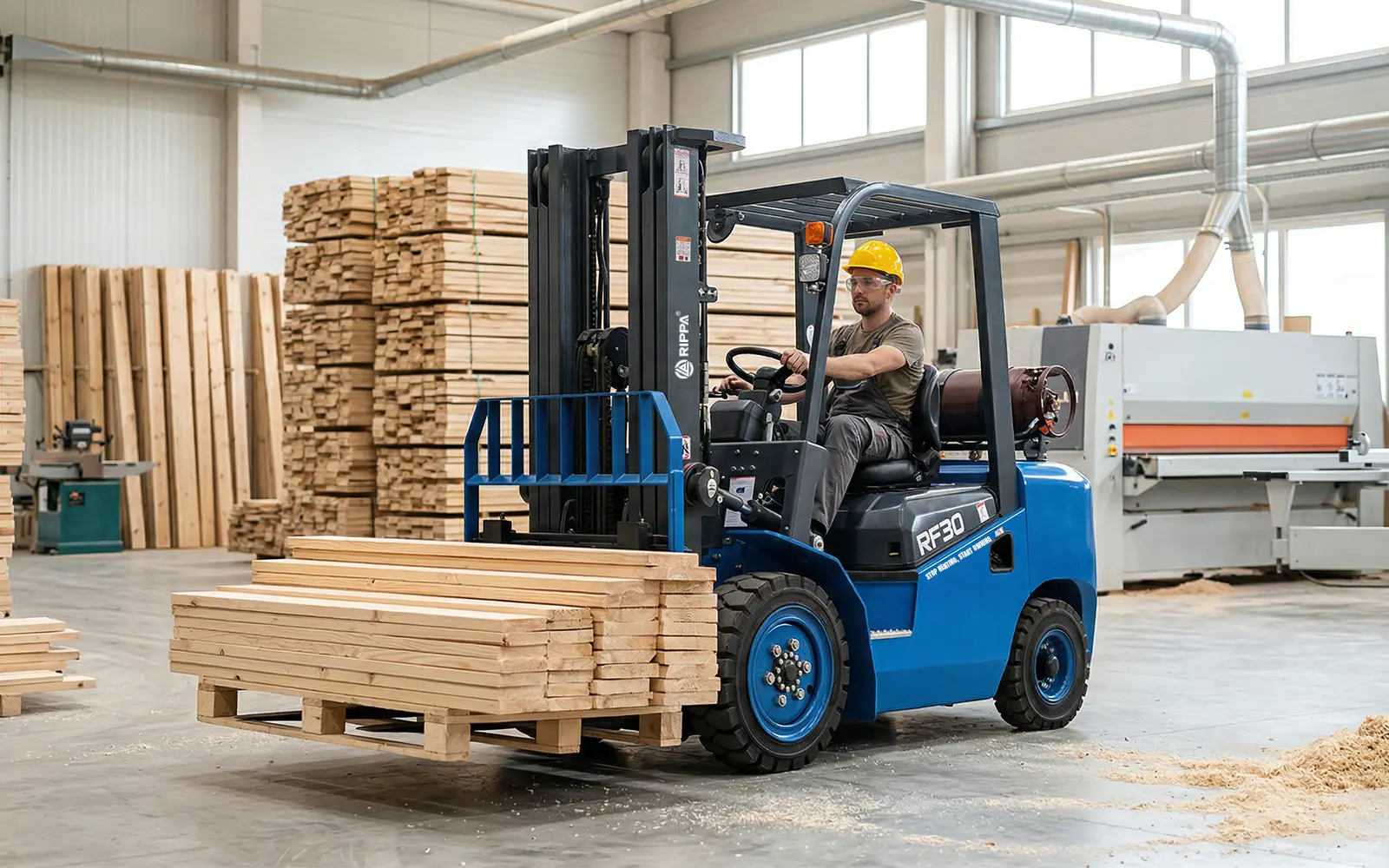
Long-term leases or rent-to-own programs can blend OpEx and CapEx characteristics, providing cashflow flexibility without immediate full ownership .
Emerging models offer batteries at $0.08–$0.12 per kWh consumed, converting a capital expense into an operating cost .
A: If you need equipment for more than 18-24 months, purchase typically becomes more economical than continuous rental .
A: Labor. Operator wages and related costs can exceed equipment depreciation by 300-500% over five years .
A: Yes. Rental payments are typically fully deductible as operating expenses, while purchase costs must be depreciated over time .
A: Yes, but rates are typically 1-2% higher than for new equipment, and terms may be shorter .
The rent vs buy decision comes down to your operational profile and timeline. For short-term or seasonal needs, rental provides flexibility and preserves capital. For consistent year-round operations, purchase builds equity and delivers lower long-term costs—especially when combined with electric power and lithium-ion batteries that dramatically reduce operating expenses.
Run the numbers for your specific situation, factoring in operator costs, maintenance, and residual value. The right choice can save your business tens of thousands over the equipment lifecycle.
Ready to calculate your specific ROI? Contact RIPPA for a personalized TCO analysis. We’ll input your actual usage patterns, local energy costs, and labor rates to show your exact payback period and 5-year savings.

저작권: 산동 리파 기계 그룹 유한공사.
법정 대표자: 옌 화이구오 | 등록번호: 913708000509206491
주소: 산동성 지닝시 하이테크 구 류항 지구 광안로 39호

 홈
홈
 제품
제품
 이메일
이메일
 WhatsApp