Oct 11, 2026
There is no single best compact equipment business for every entrepreneur, but equipment rental, mini excavateur sales, compact equipment dealerships, parts and service businesses, and regional machinery distribution can all be practical models when they are built around proven local demand.
For many new equipment businesses, mini excavators can be a strong core product because they serve multiple industries.
Other equipment categories can then be added according to customer requirements:
The strongest equipment business does not start by offering the largest catalog.
It starts by identifying a customer group and solving a repeated equipment problem.
Equipment businesses are attractive because they serve industries that require machines to complete real work.
Potential customers include:
Unlike many purely consumer products, machinery is often purchased because it contributes directly to business activity.
That can create opportunities for:
However, equipment is also capital-intensive and support-intensive.
A strong business model needs more than inventory.
A rental company purchases equipment and rents it to customers.
Potential products include:
The same machine may generate revenue from multiple customers.
The company is responsible for:
This model works best where local rental demand is measurable.
A dealership sells equipment directly to:
Potential revenue can come from:
A dealer may begin with one core product category rather than many.
A more focused version of the dealership model is to specialize first in mini excavators.
Why?
Because they can serve:
This allows one core machine category to reach several industries.
A focused dealership may be easier to develop than immediately trying to become a full-line machinery company.
Used machinery can serve buyers who prioritize:
Used dealers may later add new equipment.
This creates a hybrid model:
Used machines + new machines + attachments + parts.
Some businesses may enter the equipment market from the service side.
En voici quelques exemples :
A service company that develops strong customer relationships may eventually add machine sales.
This can create:
service → parts → equipment sales
as a growth path.
A larger business may buy machinery from manufacturers and supply:
This model may require:
It can potentially scale across a wider territory.
An existing business expanding into machinery may have less uncertainty than a completely new startup.
For example:
Already knows which machines are frequently requested.
Already knows farm equipment buyers.
Already serves contractors and equipment owners.
Already knows machinery customers.
Already serves professional landscapers.
This is one reason adjacent-industry expansion can be attractive.
The company begins with customers rather than beginning only with products.
That depends on the customer.
Best suited to markets with repeated:
Potential customers:
Useful where customers regularly perform:
Potential customers:
Relevant to customers handling:
Potential customers:
Useful for:
Potential customers:
For businesses targeting contractors, landscaping companies, farms, and rental customers, mini excavators can be one of the more practical starting categories.
This does not mean they are objectively the best product in every market.
Their advantage is customer overlap.
The same mini excavator category can be relevant to several types of commercial buyer.
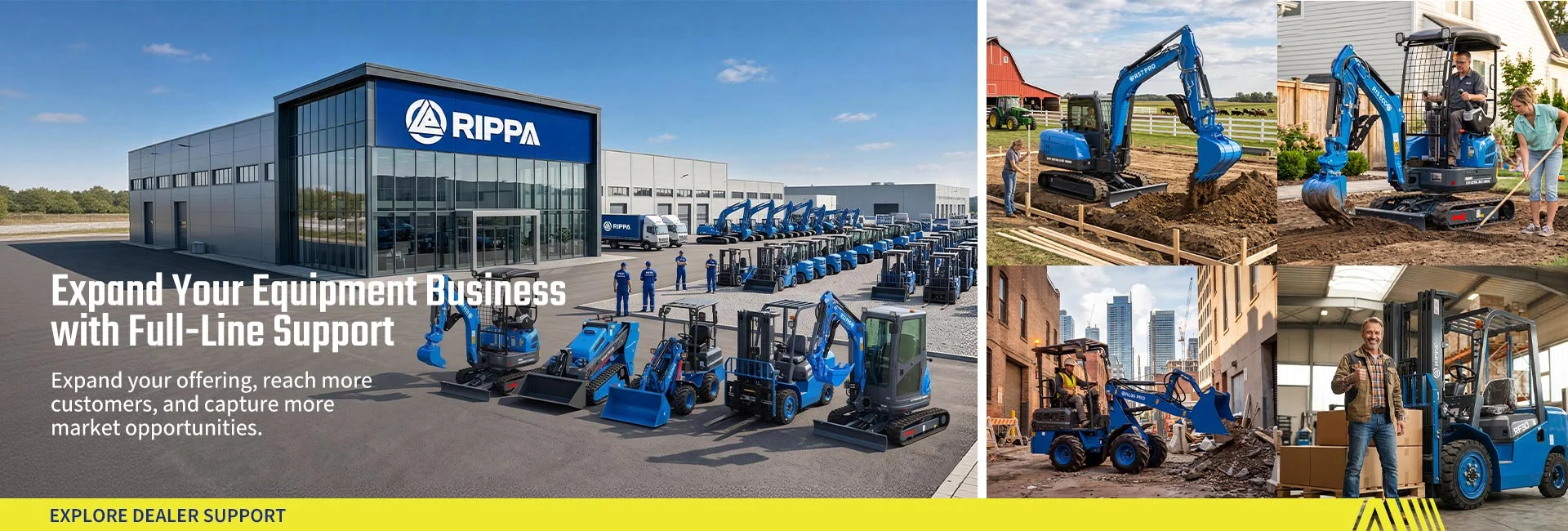
RIPPA’s current dealer materials similarly position compact excavators for machinery distributors, importers, rental businesses, agricultural equipment sellers, and regional machinery partners.
Neither is universally better.
They serve different customer behavior.
| Business Model | Best Fit |
|---|---|
| Rental | Customers needing equipment temporarily |
| Sales | Customers with regular long-term use |
| Rental + Sales | Markets with both customer types |
| Distribution | Businesses capable of supplying other dealers |
| Parts + Service | Markets with growing installed machine populations |
Some businesses combine several models.
For example:
Rental + sales + used fleet resale + parts.
This can create multiple revenue channels.
There is no universal figure.
Capital requirements depend on:
A new business should avoid putting all available capital into machine inventory.
Working capital may also be needed for:
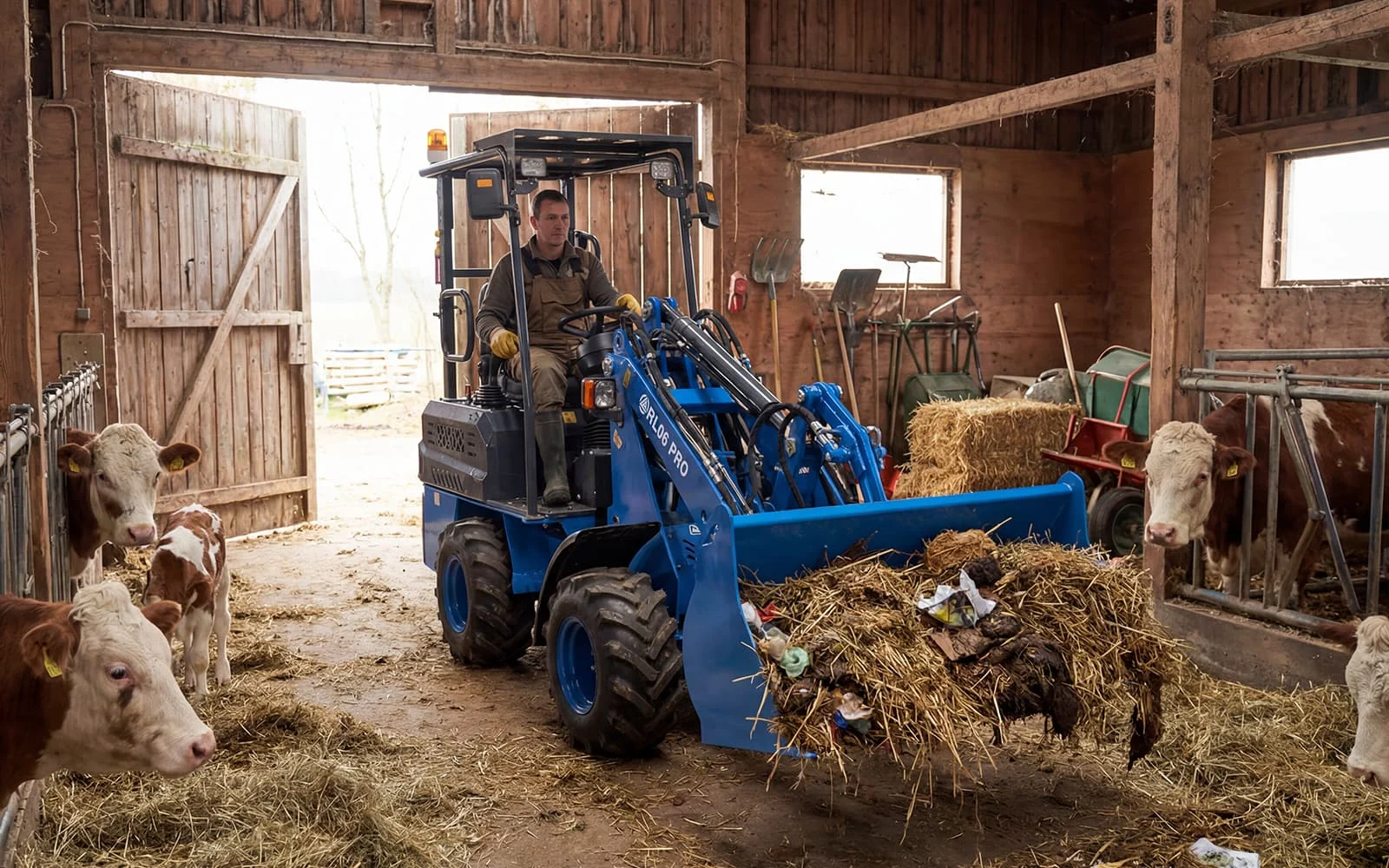
A small business can test demand before building large inventory.
A possible sequence is:
One or several focused machines.
Demonstrations and customer feedback.
Attachments and routine parts.
Additional high-demand machines.
Additional equipment categories.
The objective is to make inventory follow demand.
Ask the market before making a large order.
Useful research includes:
Existing businesses can also ask their own customer database.
That information can be more valuable than broad industry assumptions.
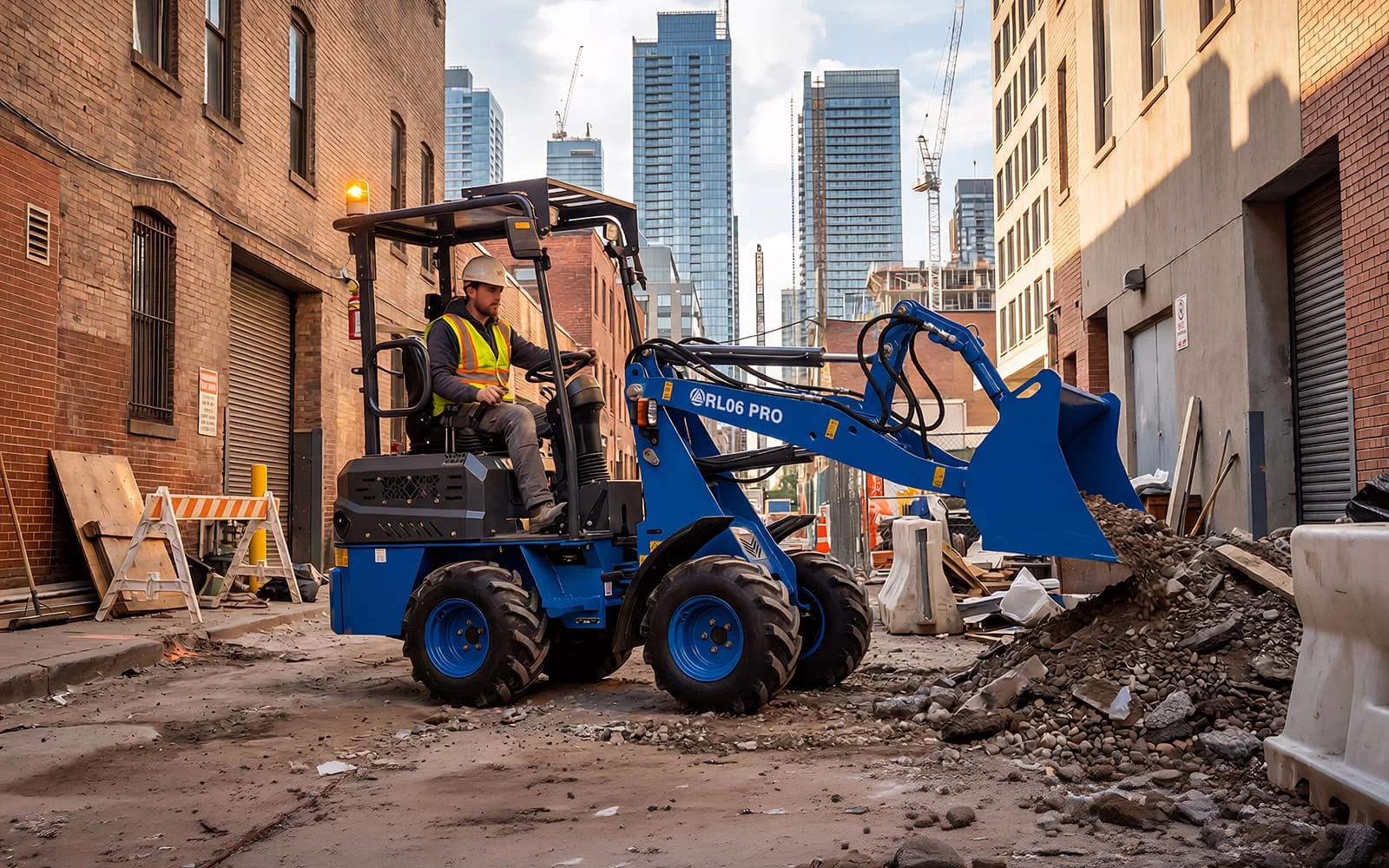
The dealer knows who is likely to buy.
Salespeople understand what the machines actually do.
The business avoids stocking products without proven demand.
Customers can maintain their equipment.
Problems have a defined escalation path.
Customers can discover the dealership.
B2B buyers are managed over a longer buying cycle.
For many new dealers, focus can be more practical.
A large catalog creates:
A smaller core product range allows the company to learn the market.
The dealer can later expand based on customer requests.
For a contractor-oriented compact equipment business, one possible path is:
Mini excavators
Excavator attachments
Chargeuses compactes
Compact wheel loaders where material demand exists
Other machinery according to customer base
This is not a universal formula.
It is an example of customer-led expansion.
One of the strongest paths is to expand from an adjacent business.
Potential candidates include:
These companies may already possess:
That can reduce the difficulty of market entry.
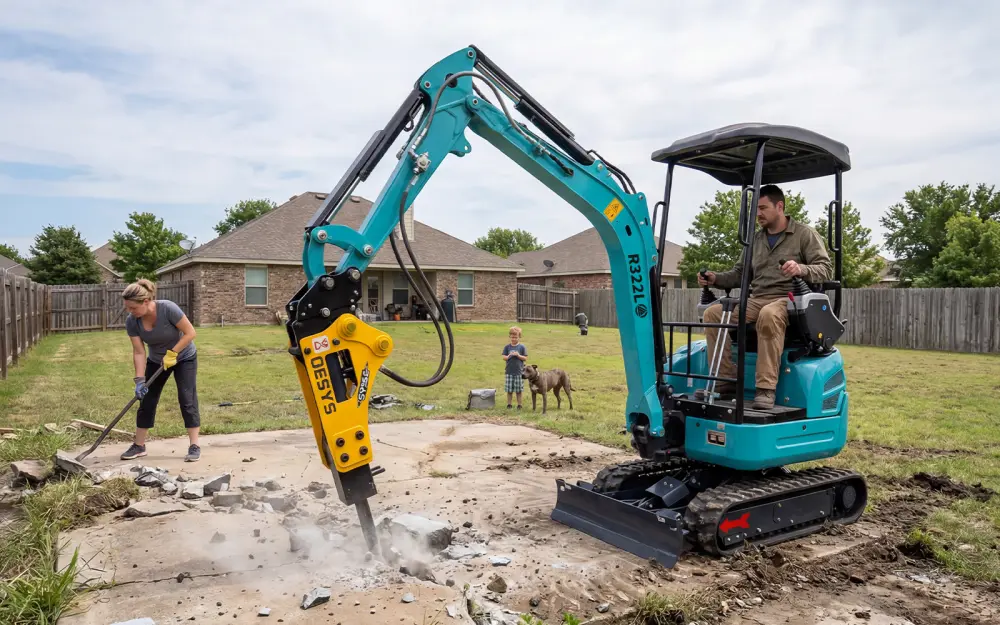
Potentially.
A commercial landscape dealer may already serve companies performing:
Those customers may already need:
The dealer can follow the customer’s growth.
Potentially.
Farm customers may need:
A farm equipment dealer may already have:
This can create a strong foundation.
Yes, where its business resources and supplier arrangements support that model.
Rental companies already have unusually valuable market data.
They know:
That information can guide product sales.
Potentially.
A service business may have:
It would still need:
But its after-sales strength can become an advantage.
A modern equipment company can combine:
Search content should answer real questions such as:
These questions attract people before they reach the final purchase stage.
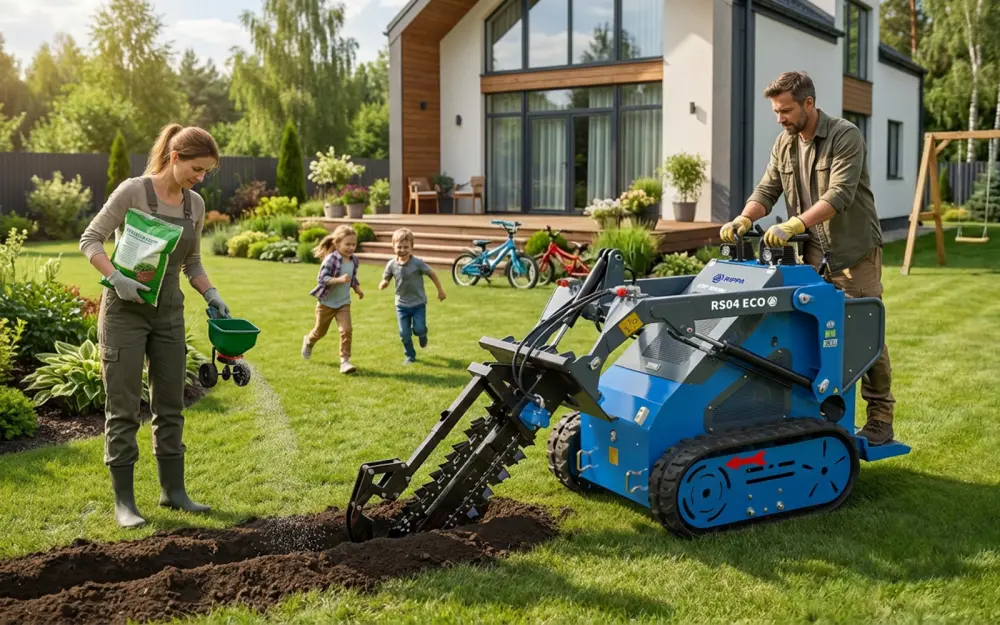
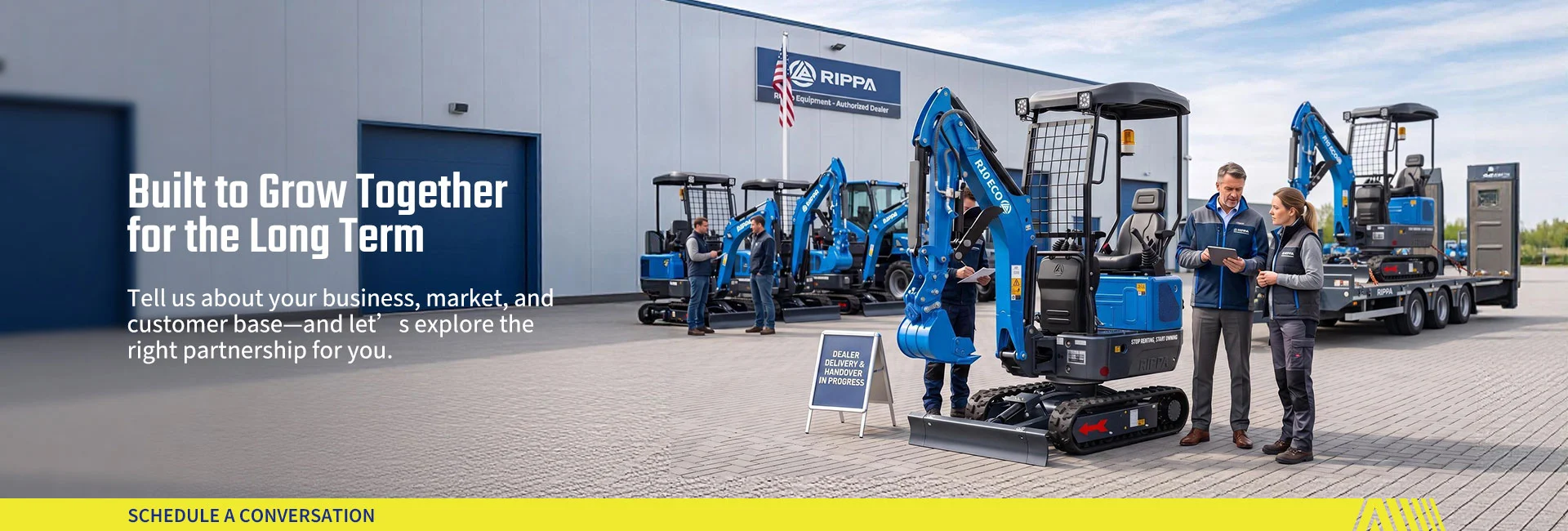
RIPPA currently publishes an active dealer program for compact excavators. Its official material describes a process involving dealer inquiry, qualification and territory review, training, and dealership launch; current dealer-program content also describes flexible stocking and sales/technical training.
Its current site also actively publishes dealer and product content across mini excavators and other equipment categories.
Potential partners should still confirm current:
before building a business plan around any supplier.
There is no universal easiest model. Businesses that already have relevant customers often have an advantage because customer acquisition is already partly solved.
It can be where local utilization is strong enough to support machine ownership and operating costs.
It can be for dealers serving contractors, farms, landscapers, rental companies, and other commercial equipment users.
The product should match local customer demand. Mini excavators can be a strong core category in markets with repeated digging and trenching needs.
Potentially. Existing B2B businesses with customers, capital, facilities, and the ability to develop after-sales support may have a practical foundation.
Usually it is safer to validate demand before expanding too broadly.
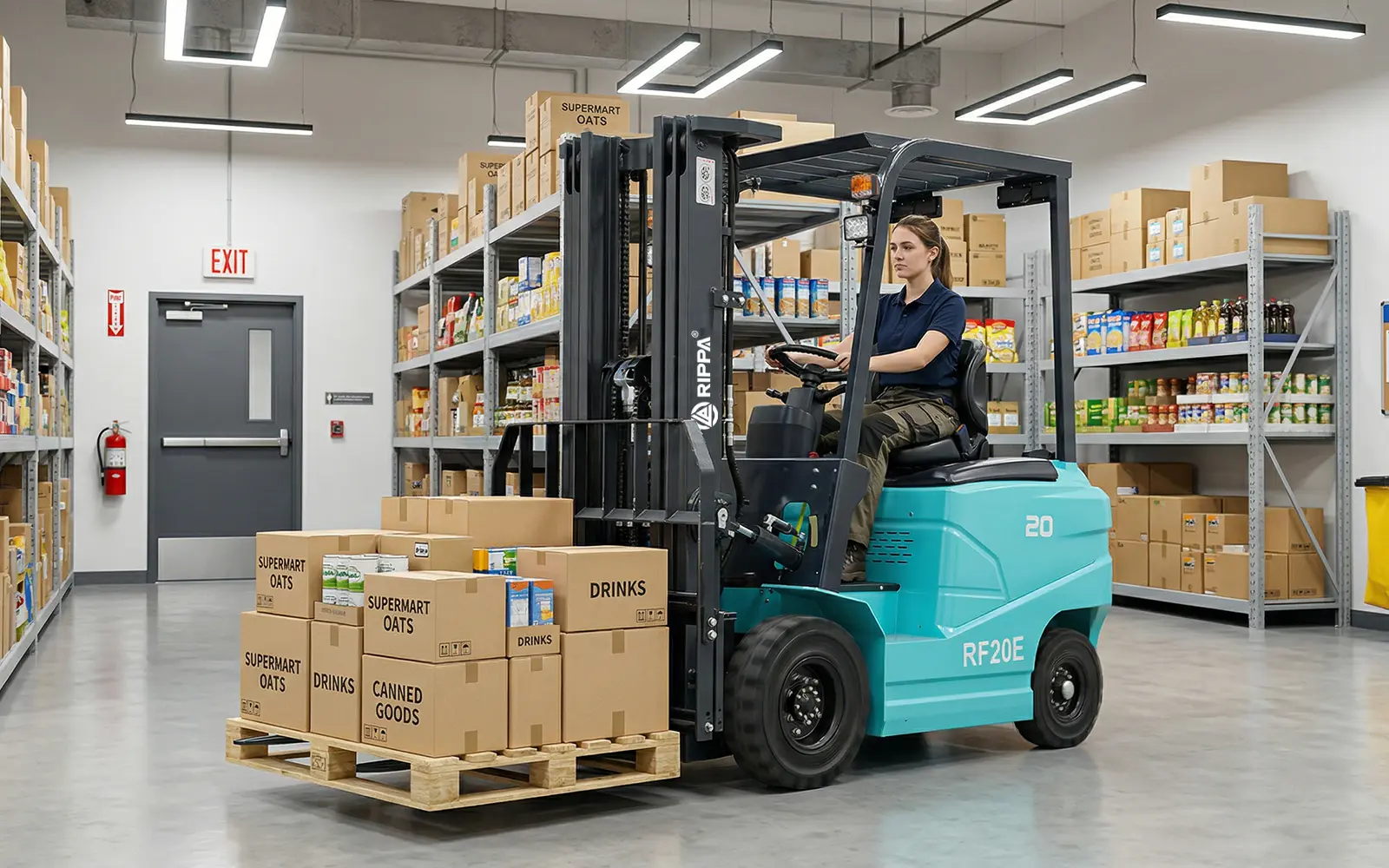
The best compact equipment business to start in 2026 is the one built around an existing, measurable customer need.
Potential models include:
For many new machinery businesses, mini excavators can provide a practical core product because they serve contractors, landscapers, farms, rental companies, and property-maintenance customers.
Other products should have clearly defined roles:
The strongest equipment company does not begin by asking:
“How many machines can we sell?”
It begins by asking:
“Which customers do we understand, what work are they trying to complete, and which equipment solves that problem?”
That question can guide the business from its first machine to a much larger local dealership or regional distribution operation.

Droits d'auteur : Shandong Rippa Machinery Group Co., Ltd.
Représentant légal : Yan Huaiguo | N° d'agrément : 913708000509206491
Adresse : n° 39, rue Guangan, quartier de Liuhang, Zone de haute technologie, ville de Jining, province du Shandong

 Accueil
 Produits
 Courriel
 WhatsApp