Oct 02, 2026
Equipment dealers often organize their businesses around product categories.
They may have:
This structure is useful internally, but customers do not always think in product categories.
A contractor thinks:
“I need to dig a trench and clean the site.”
A farm customer thinks:
“I need to repair drainage and move gravel.”
A warehouse customer thinks:
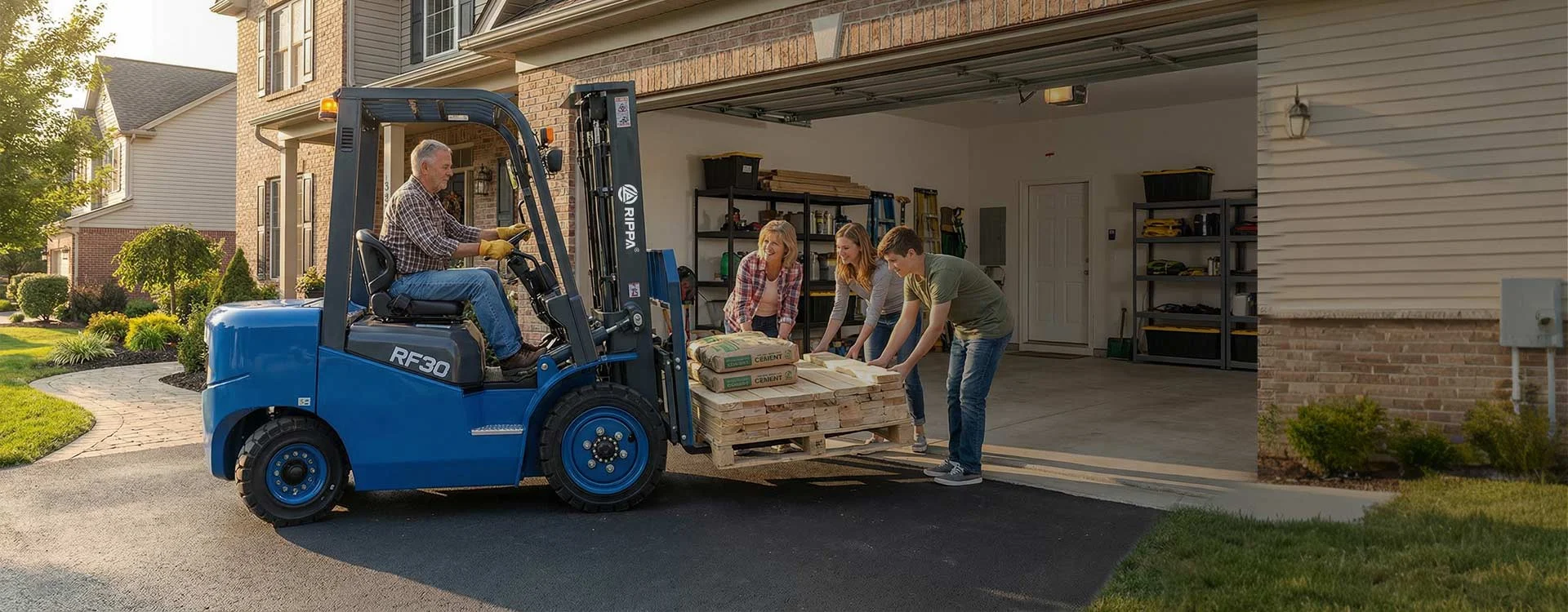
“I need to unload pallets.”
A landscaping company thinks:
“I need to excavate, move soil, and grade the property.”
This is why equipment dealers can improve B2B sales by selling around applications and workflows, not only machine names.
The goal is to identify the customer’s work first and then recommend the equipment that fits it.
Application-based selling starts with:
What does the customer need to accomplish?
rather than:
Which machine do we want to sell?
For example:
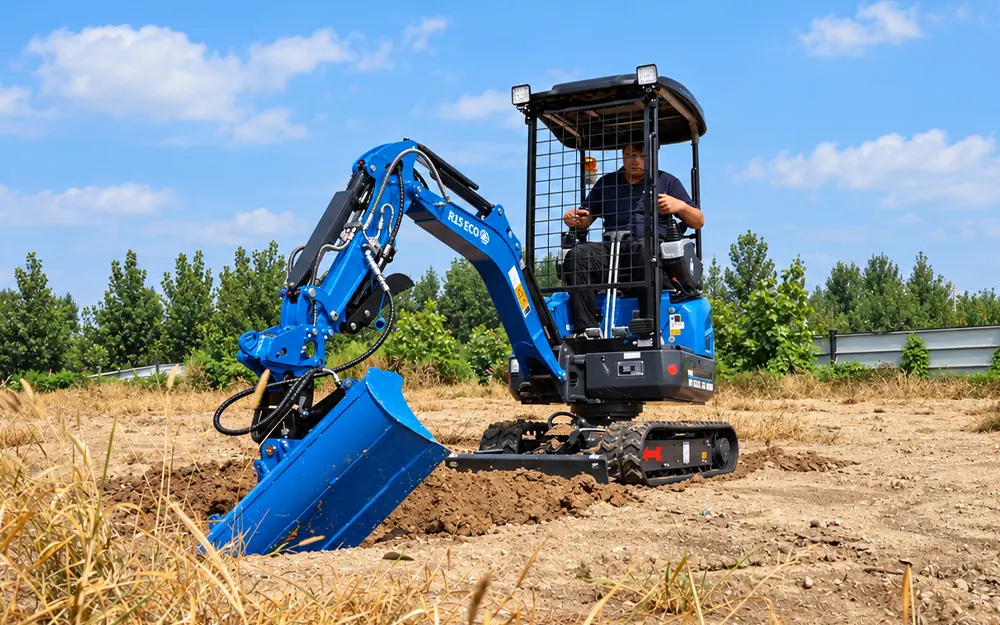
Dig drainage trench.
Possible product:
Move soil and clean the work area.
Possible product:
Move large quantities of loose gravel.
Possible product:
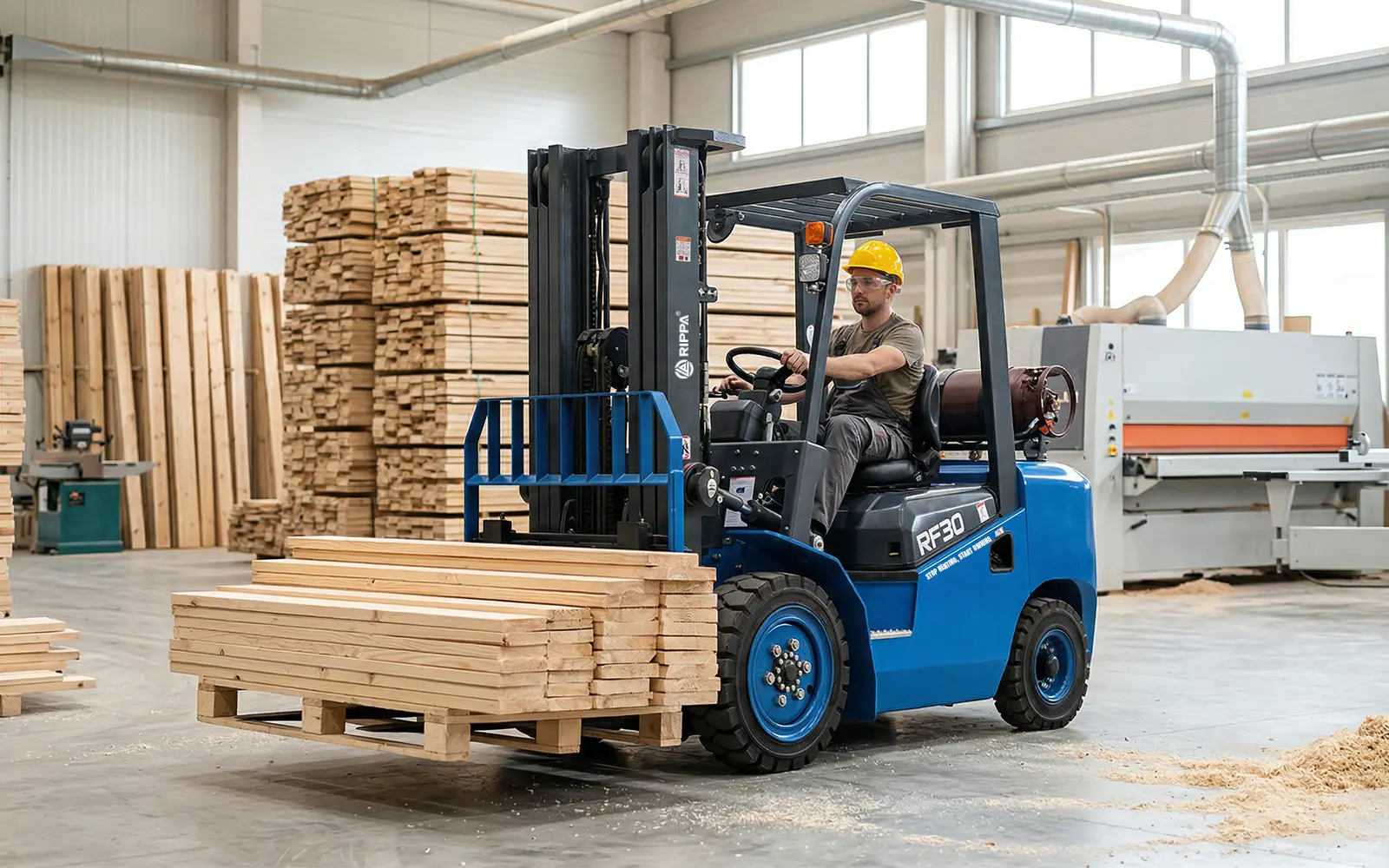
Handle pallets.
Possible product:
This makes product recommendations easier for customers to understand.
Commercial customers buy equipment to solve operational problems.
They may care about:
The machine matters because of what it helps the business accomplish.
Dealers that understand the workflow can have more useful sales conversations.
A contractor may need:
Possible equipment combination:
For:
For:
The machines perform different parts of the workflow.
A dealer can first determine whether the customer needs one or both.
Professional landscapers may handle:
Possible equipment:
The exact combination depends on project size.
A landscaping company should not be sold every machine simply because it operates in landscaping.
The dealer should identify which operations occur regularly.
A farm may need equipment for:
Possible product roles:
Not every farm needs all of these machines.
The dealer should understand the specific operation.
Rental companies need equipment that matches local demand.
A dealer may help a rental company evaluate:
A rental fleet may gradually include:
The product mix should follow utilization rather than catalog size.
A material yard may handle both loose and palletized materials.
Possible equipment:
For:
For:
The dealer can recommend machines according to material type rather than presenting unrelated product categories.
Useful questions include:
These questions reveal real product needs.
Application-based selling does not mean selling as many machines as possible.
A customer may only need one mini excavator.
Another may need an excavator and skid steer.
Another may only need a forklift.
The goal is correct equipment selection.
Forced product bundles can:
Good solution selling should reduce unnecessary purchases.
Sometimes a customer’s next problem can be solved with an attachment.
Possible directions include:
Before recommending a second machine, ask whether a compatible attachment can perform the required work efficiently.
This may provide a lower-cost expansion path.
Equipment dealer websites can use application-focused topics such as:
This type of content can attract customers already thinking about a specific operational problem.
A contractor landing page should discuss:
A rental company page should discuss:
A farm page should discuss:
The equipment may overlap, but the customer message should differ.
A customer who owns a mini excavator may later say:
“We spend too much time moving excavated soil.”
That may create a skid steer opportunity.
A farm customer may say:
“We constantly move gravel around the property.”
That may create a compact wheel loader opportunity.
A material business may say:
“We can move loose material, but we cannot handle pallets efficiently.”
That may create a forklift opportunity.
Cross-selling should begin with a clearly identified gap.
An equipment solution is incomplete if the machine cannot be supported.
Dealers should consider:
For commercial buyers, equipment uptime can be more important than having the lowest purchase price.
Dealers can help customers think in stages.
Stage 1:
Stage 2:
Stage 3:
Stage 4:
Stage 1:
Stage 2:
Stage 3:
This gives the customer a logical growth path without requiring an oversized initial purchase.
RIPPA equipment can be considered across different B2B application areas, subject to current product availability and specifications.
Potential product roles include:
| Produit | Main Application Direction |
|---|---|
| Mini-pelle | Digging, trenching, drainage |
| Chargeur compact rigide | Loading, grading, cleanup |
| Compact Wheel Loader | Loose-material movement |
| Chariot élévateur | Pallet handling |
| Pièces jointes | Expand machine applications |
Dealers should confirm the exact configuration and application suitability before making customer commitments.
Confirm:
This helps reduce product mismatch.
It means starting with the customer’s actual work and then recommending equipment that fits that workflow.
Commercial customers buy equipment to solve operating problems, so application-based conversations can make product recommendations more relevant.
No. Customers should only purchase equipment that matches real and repeated work.
Sometimes. Compatible attachments may solve additional tasks, but they should be evaluated for suitability and efficiency.
Mini excavators and skid steer loaders can complement each other when projects involve both excavation and material movement or cleanup.
Equipment dealers can increase B2B sales by shifting the conversation from “Which machine do you want?” to “What work are you trying to complete?”
That approach creates clearer product roles:
For RIPPA dealers and resellers, application-based selling can help attract more qualified customers, improve cross-selling, reduce equipment mismatch, and build longer B2B relationships.
The objective is not to sell more machines to every customer.
It is to solve more of the right problems for the right customers.

Droits d'auteur : Shandong Rippa Machinery Group Co., Ltd.
Représentant légal : Yan Huaiguo | N° d'agrément : 913708000509206491
Adresse : n° 39, rue Guangan, quartier de Liuhang, Zone de haute technologie, ville de Jining, province du Shandong

 Accueil
 Produits
 Courriel
 WhatsApp