окт. 12, 2026
A new equipment dealer should usually stock a focused selection of machines that match the most common needs of its local customers rather than trying to offer every equipment category immediately.
For dealers serving contractors, landscapers, farms, and rental companies, a practical starting structure may include:
For many new compact equipment dealerships, mini excavators can serve as a strong core category because they reach several customer groups at once.
The most important rule is:
Start with customer demand, not catalog size.
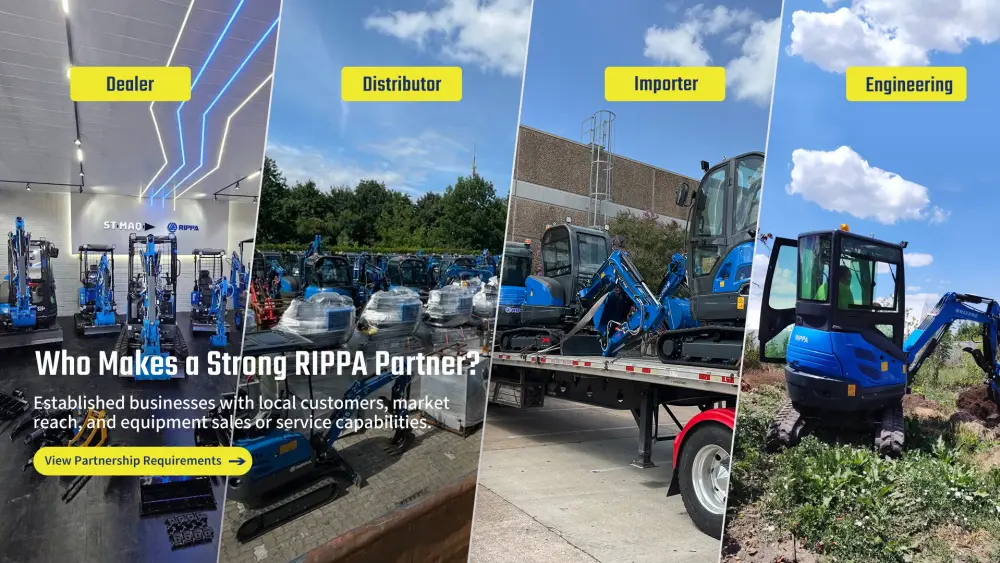
New dealers often want a large display because they believe more products create more sales.
But every additional machine category also creates:
A dealer carrying too many slow-moving products can tie up capital that could otherwise be used for:
A focused product strategy is often easier to scale.
There is no universal answer.
The right product depends on who the dealership serves.
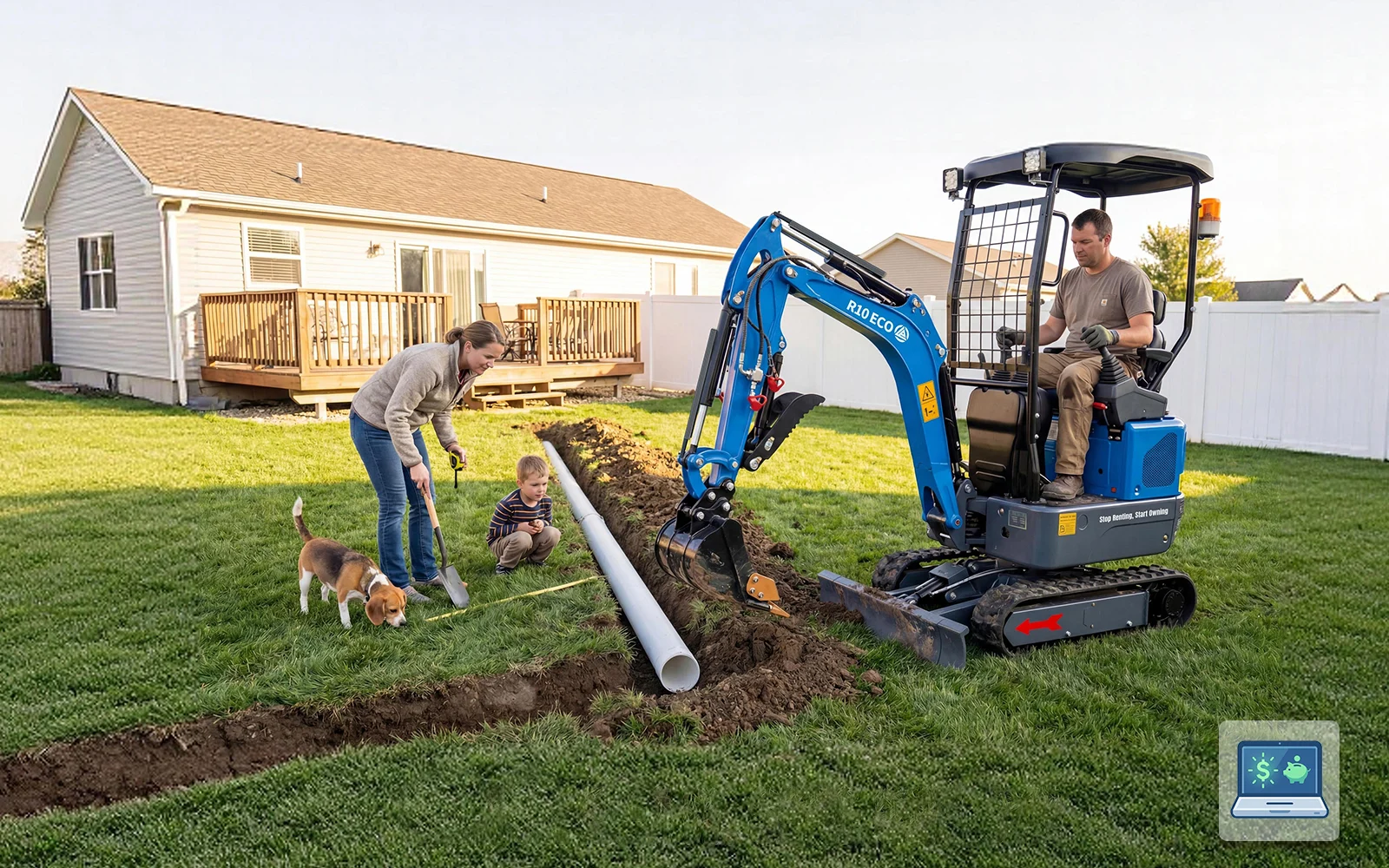
However, mini excavators can be a practical core category when customers include:
Why?
Because all of these customers may need digging.
Mini excavators have a clear commercial role.
They support:
One product category can therefore reach several industries.
For a new dealership, this creates more sales opportunities without immediately requiring many unrelated machine categories.
The answer depends on local demand.
Instead of stocking every available model, a dealership may think in customer roles.
For customers prioritizing:
For customers performing:
For customers needing:
This does not mean three machines are always correct.
The principle is to create clearly differentiated choices rather than many similar machines.
A strong stock model often has:
Less common models may be available by special order.
This allows the dealership to provide variety without carrying excessive physical inventory.
Selected attachments can be extremely useful.
Possible categories include:
But dealers should avoid stocking every attachment.
Start with tools customers repeatedly request.
For example:
May justify:
May justify:
May justify:
Attachment inventory should follow real applications.
Possibly, but only when customer demand supports them.
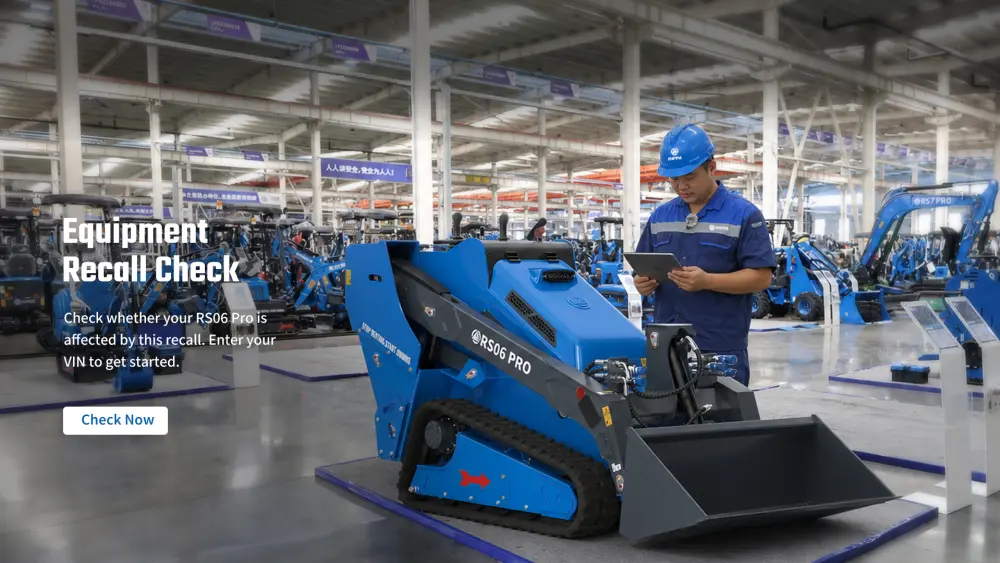
Skid steers are useful for:
They pair naturally with excavators.
A dealer may hear customers say:
“We can dig, but we also need something to move the material.”
That is a meaningful signal to consider skid steers.
| Dealer Customer Need | Better Starting Direction |
|---|---|
| Копаене | Mini excavator |
| Изкопаване на канали | Mini excavator |
| Drainage | Mini excavator |
| Зареждане | Skid steer |
| Оценяване | Skid steer |
| Cleanup | Skid steer |
| Mixed contractor work | Potentially both |
The dealer should stock the machine that matches the largest local customer segment first.
Compact wheel loaders are most relevant where customers regularly move loose material.
Примери за това са:
Possible buyers include:
If this demand is limited, the dealer may keep wheel loaders as special-order products rather than core inventory.
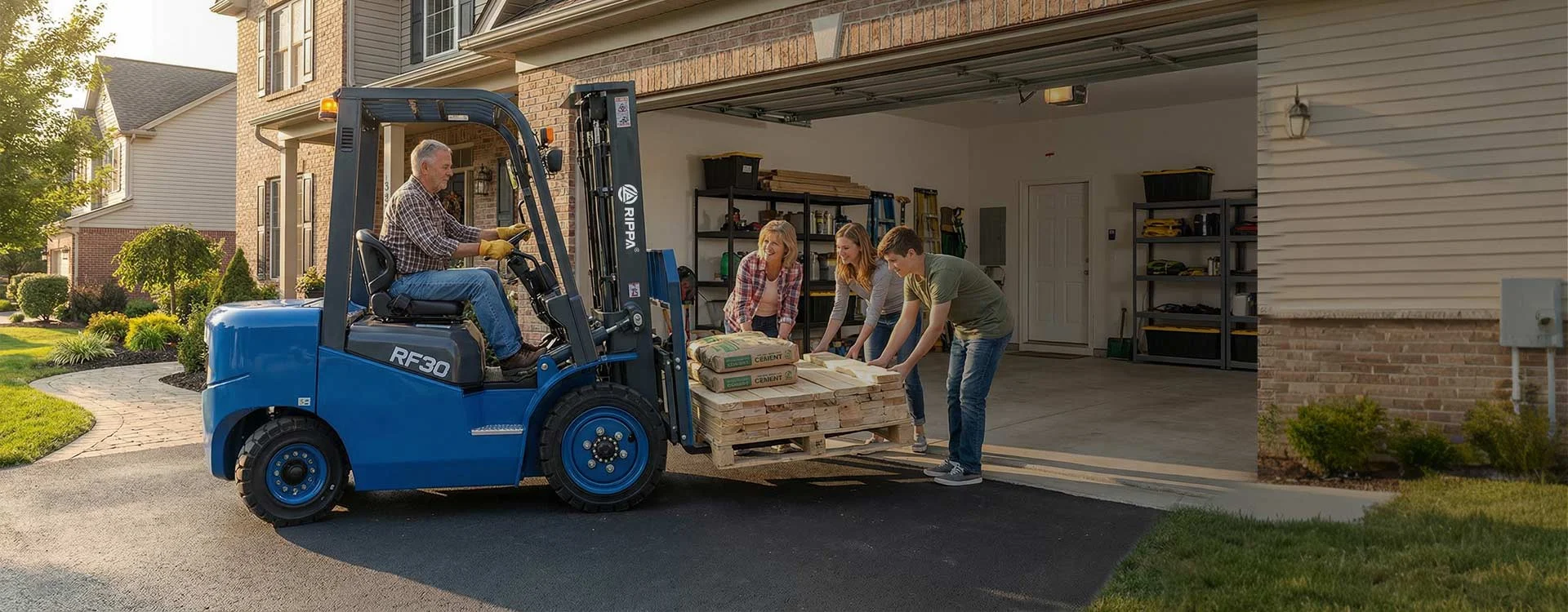
Forklifts should be driven by a clearly different customer requirement:
pallet handling.
Potential customers include:
A contractor-focused dealer may not need forklifts initially.
A material-handling dealer may consider them essential.
The product mix should reflect the customer base.
Possible starting priority:
Possible priority:
Possible priority:
Possible priority:
Possible priorities may include:
There is no universal answer.
A new dealer should consider:
Inventory should not be treated as a display competition.
Five machines that customers actually want may be more valuable than twenty machines that sit in the yard.
A demonstration machine allows customers to:
For the dealer, the demo also creates market data.
Track:
This can guide future inventory.
Some dealerships can combine new and used inventory.
Can support:
Can support:
A mixed model can widen the customer base.
However, used equipment requires its own inspection and valuation expertise.
Do not stock every component immediately.
Start by identifying:
Inventory should grow with the number of machines operating locally.
If the dealership has sold many units of one model and only a few of another, parts planning should reflect that installed machine population.
Every machine sale creates future support demand.
A dealer selling more machines should expect more questions involving:
Inventory growth without after-sales growth can create customer frustration.
The machine and the support system should scale together.
Several methods are useful.
Especially if the dealer already operates another business.
Ask:
Frequently rented categories may reveal local demand.
Look at the major local industries:
Invite:
and track interest.
Dealer websites can monitor which topics attract visitors, such as:
This can provide another demand signal.
Be careful with:
Low purchase cost does not automatically create good inventory.
Inventory quality depends on how quickly and profitably products can move.
Inventory turnover helps dealers understand how efficiently stock converts into sales.
A dealer should monitor:
A machine receiving fewer inquiries but selling quickly to serious contractors may be more valuable than a model receiving many low-quality price inquiries.
Several options exist.
Increase customer value around machines already stocked.
Help customers understand applications.
Answer questions buyers already search for.
Many B2B buyers take time before purchasing.
Provide broader choice without keeping every machine in stock.
This can improve capital efficiency.
Initially, focus can be useful.
For example:
Mini excavator specialist
may be easier for customers to understand than:
We sell ten unrelated machine types.
Once the dealer becomes known for one category, additional products can be added according to customer demand.
A natural progression can be:
Mini excavators
Прикачени файлове
Шлифовъчни товарачи
Compact wheel loaders where loose-material demand exists
Other equipment serving established customer groups
This creates customer-led diversification.
Yes.
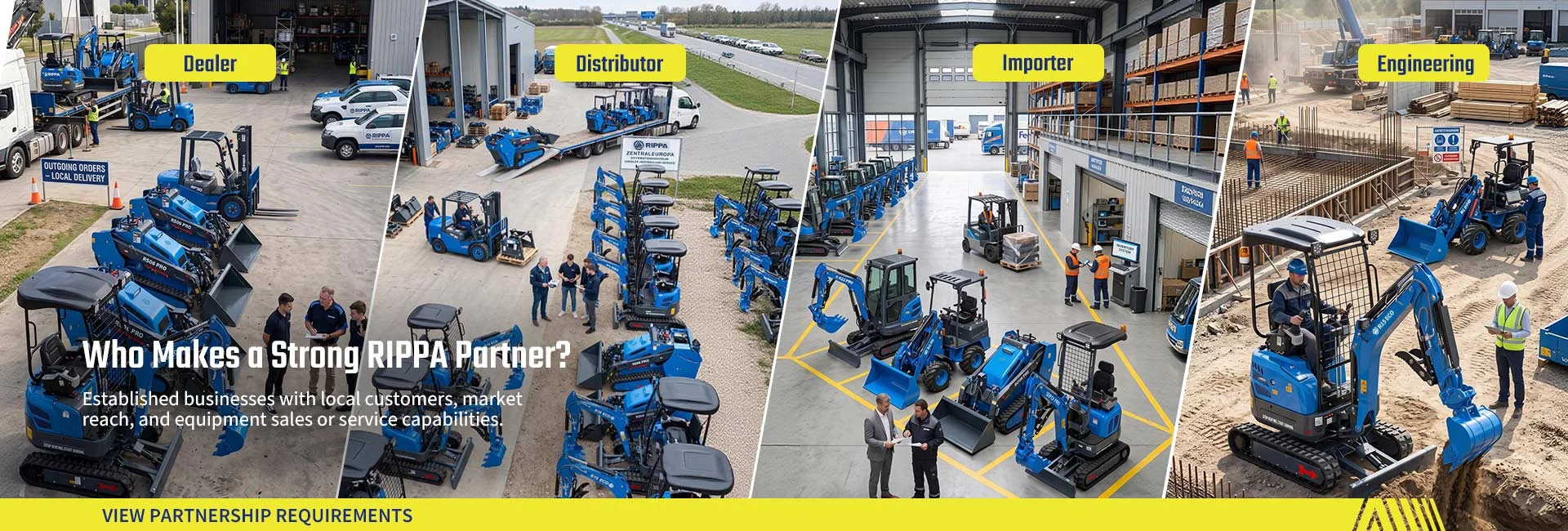
Potential entrants include:
They may already have:
That gives them a significant head start.
Before placing inventory orders, confirm:
The dealer’s local promises should always be based on verified supplier information.
Start with machines that solve the most common problems for local customers. Mini excavators can be a practical core product for contractors, farms, landscapers, and rental businesses.
There is no fixed number. A smaller, well-supported product range can be easier to sell and support than a large catalog.
Yes when local customers consistently need loading, grading, and cleanup.
They may be worthwhile where customers regularly move significant amounts of loose material.
Only when there is meaningful pallet-handling demand.
Yes. Attachments can create repeat sales and help one machine solve more customer problems.
No. Lower-demand products can often be handled as special orders.
A new equipment dealer should stock the products its customers already need—not the largest product catalog it can afford.
For many contractor-, landscape-, farm-, and rental-oriented dealerships, a practical growth path is:
mini excavators → attachments → skid steer loaders → compact wheel loaders → additional equipment where proven demand exists.
The strongest inventory strategy considers:
A dealer does not win by having the most machines in the yard.
It wins by having the right machines available for the customers most likely to buy them.

Авторски права: Shandong Rippa Machinery Group Co., Ltd.
Законен представител: Ян Хуайгуо | Лицензен номер: 913708000509206491
Адрес: ул. „Гуанган“ № 39, квартал „Лиухан“, Зона за високи технологии, град Джинин, провинция Шандун

 Начало
 Продукти
 Имейл
Имейл
 WhatsApp